A Cave within the Geomunoreum Lava Tube System Manjanggul Lava Tube, Jeju
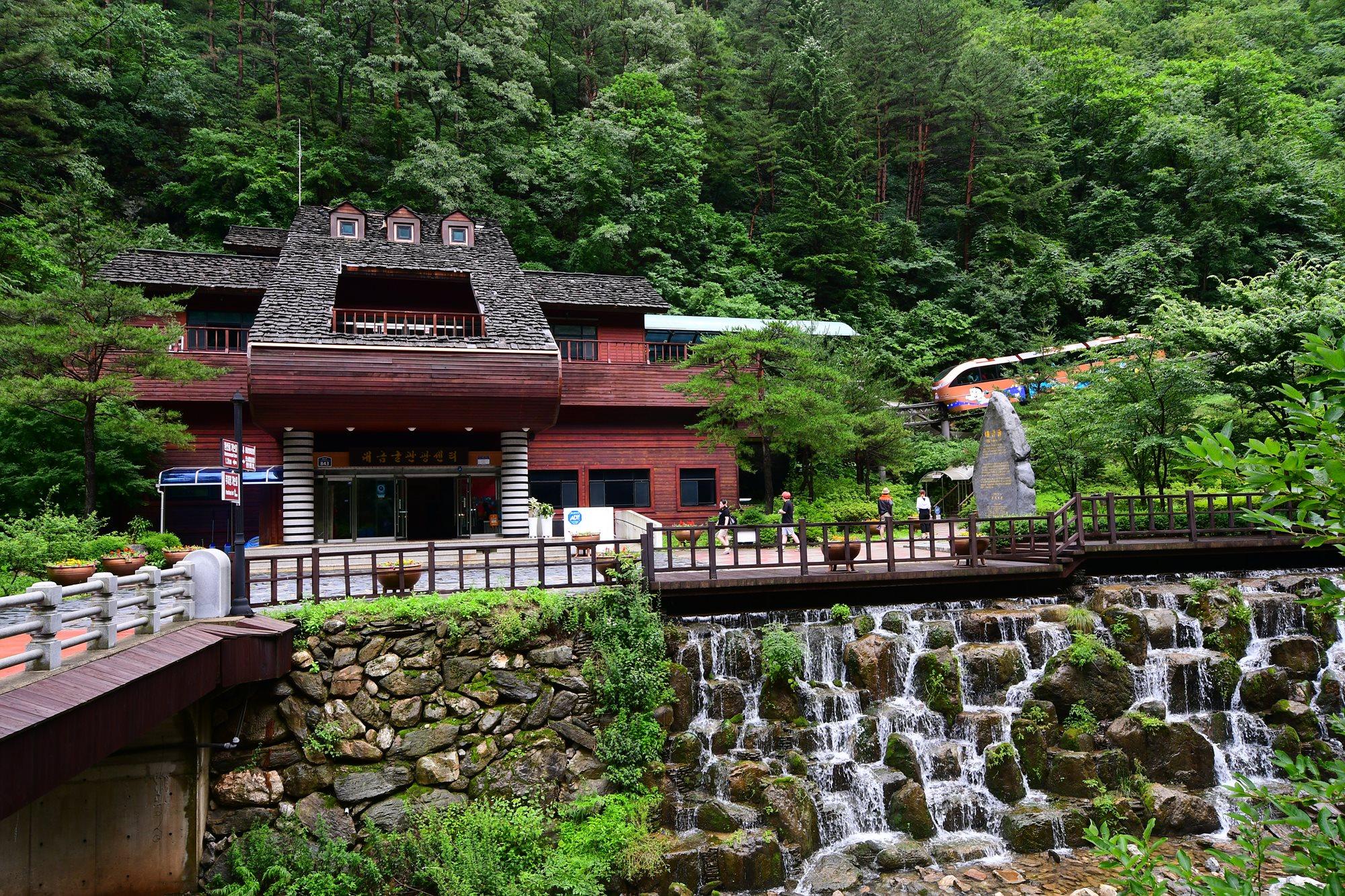
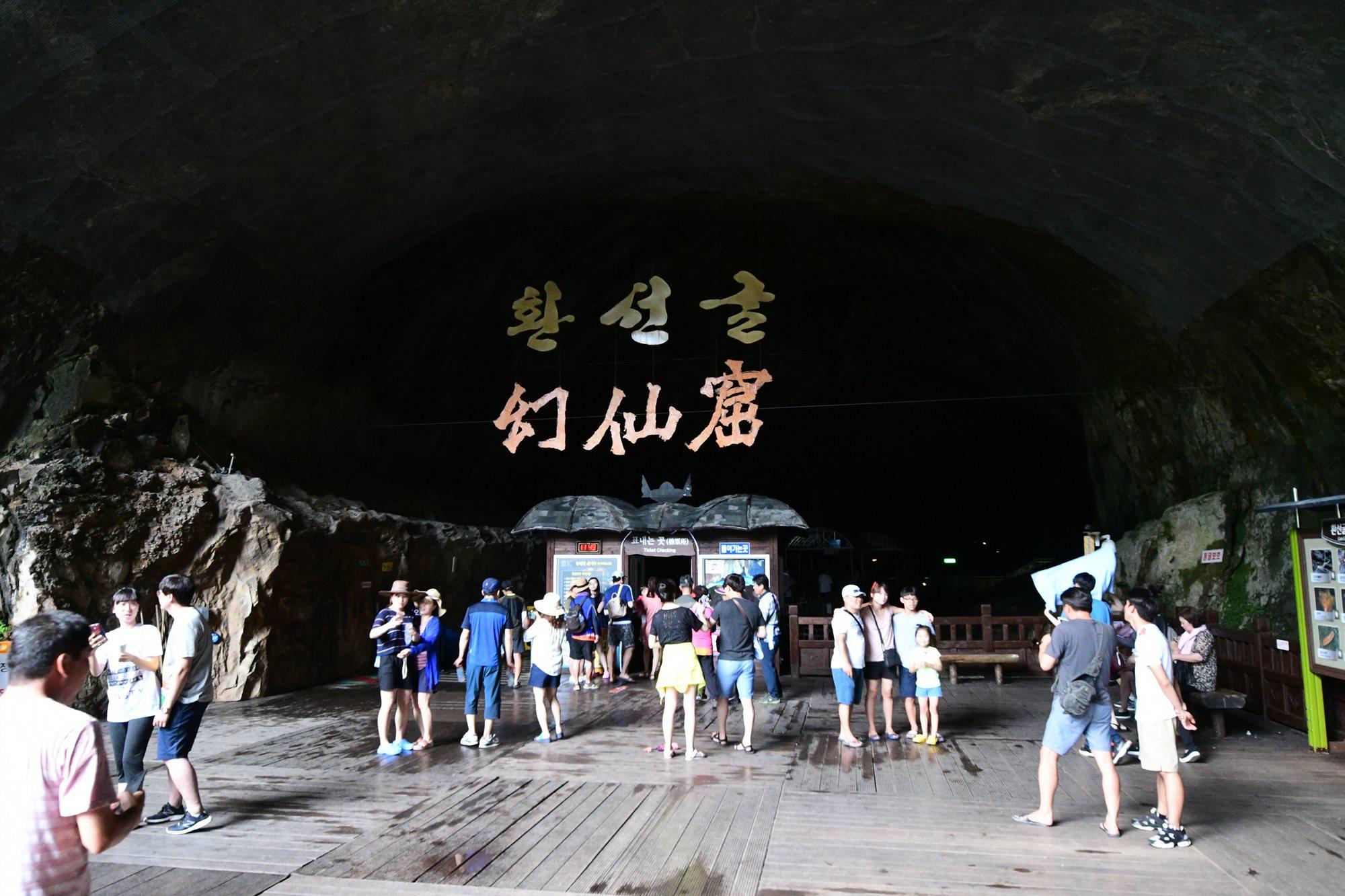
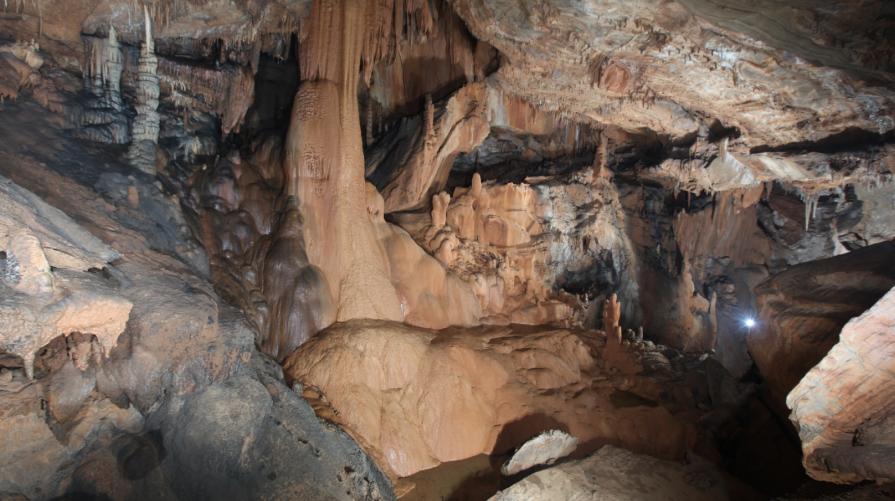
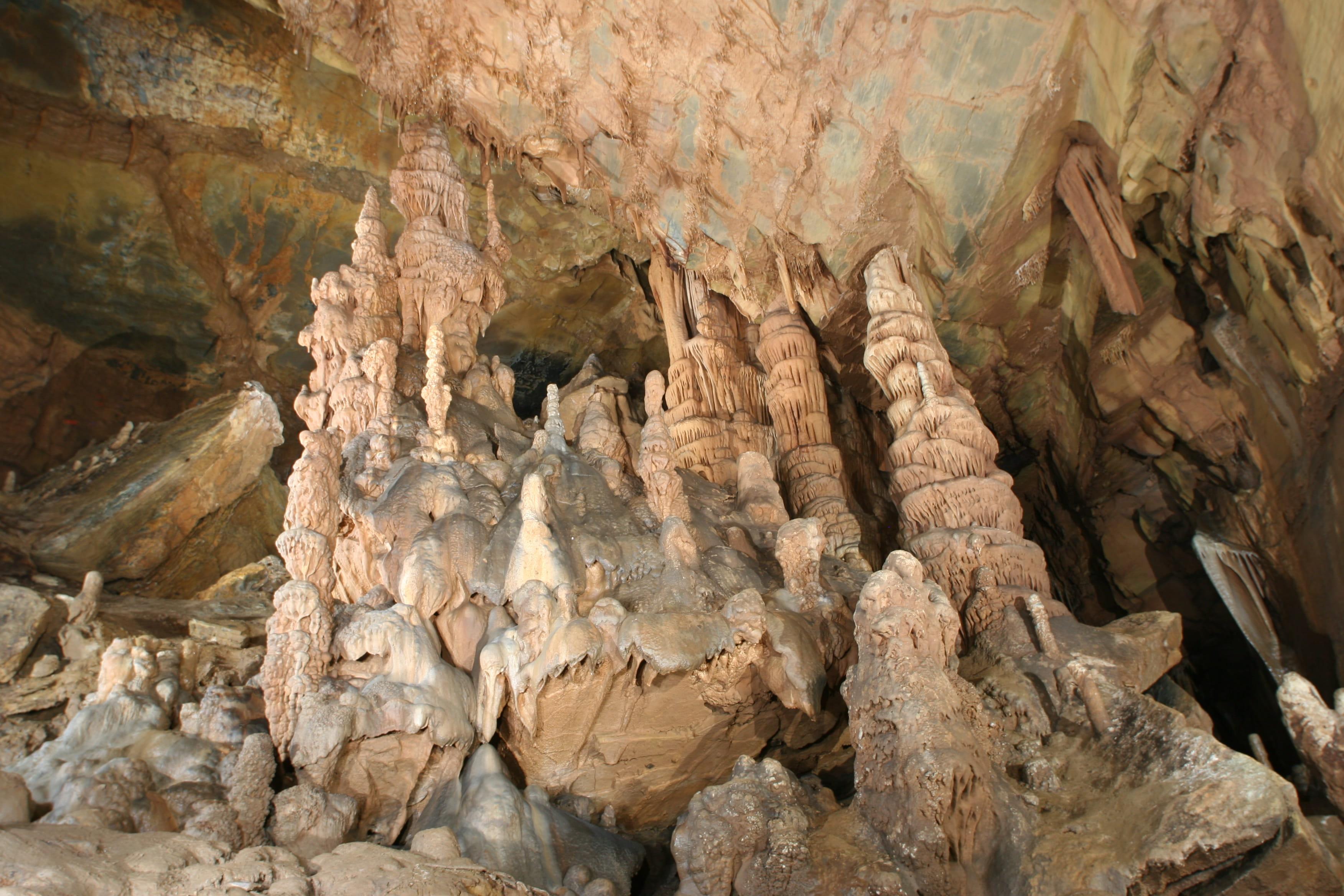
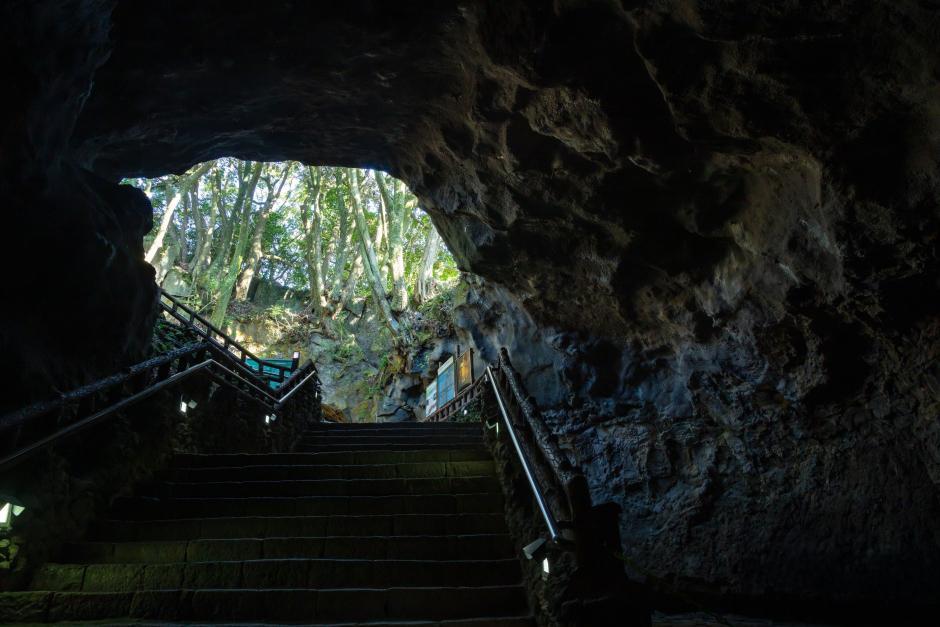
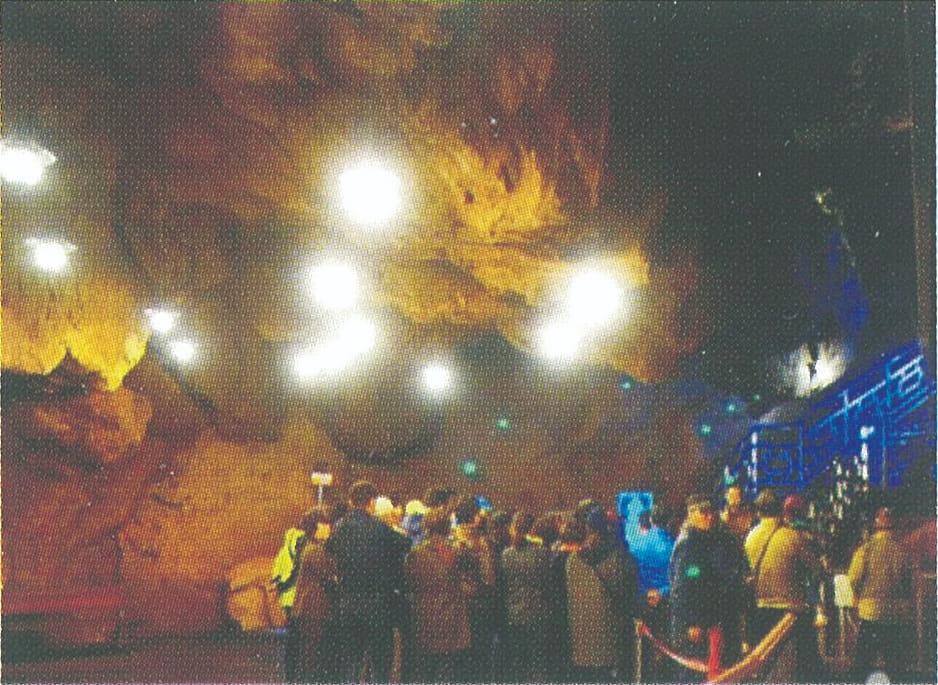
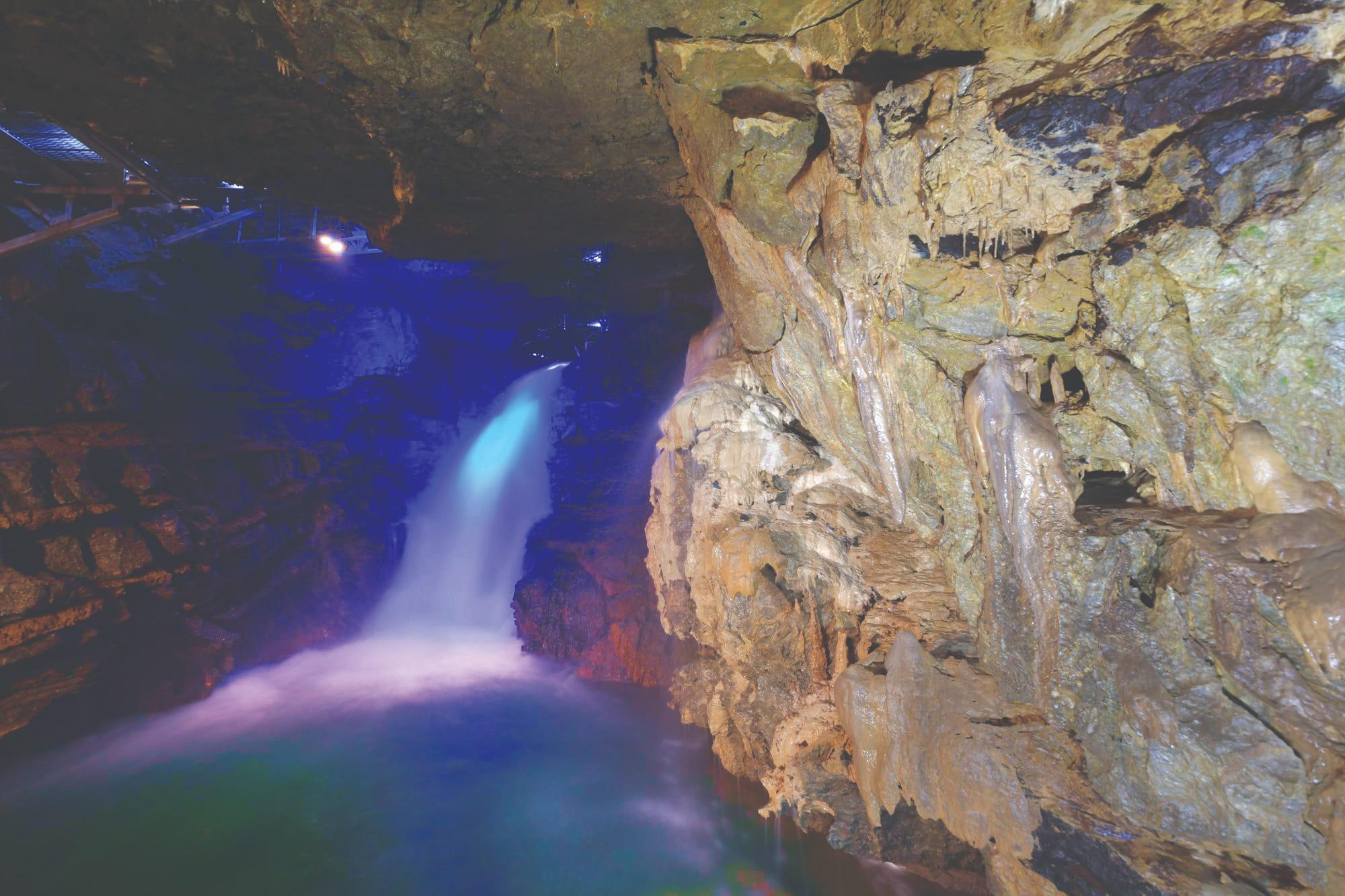
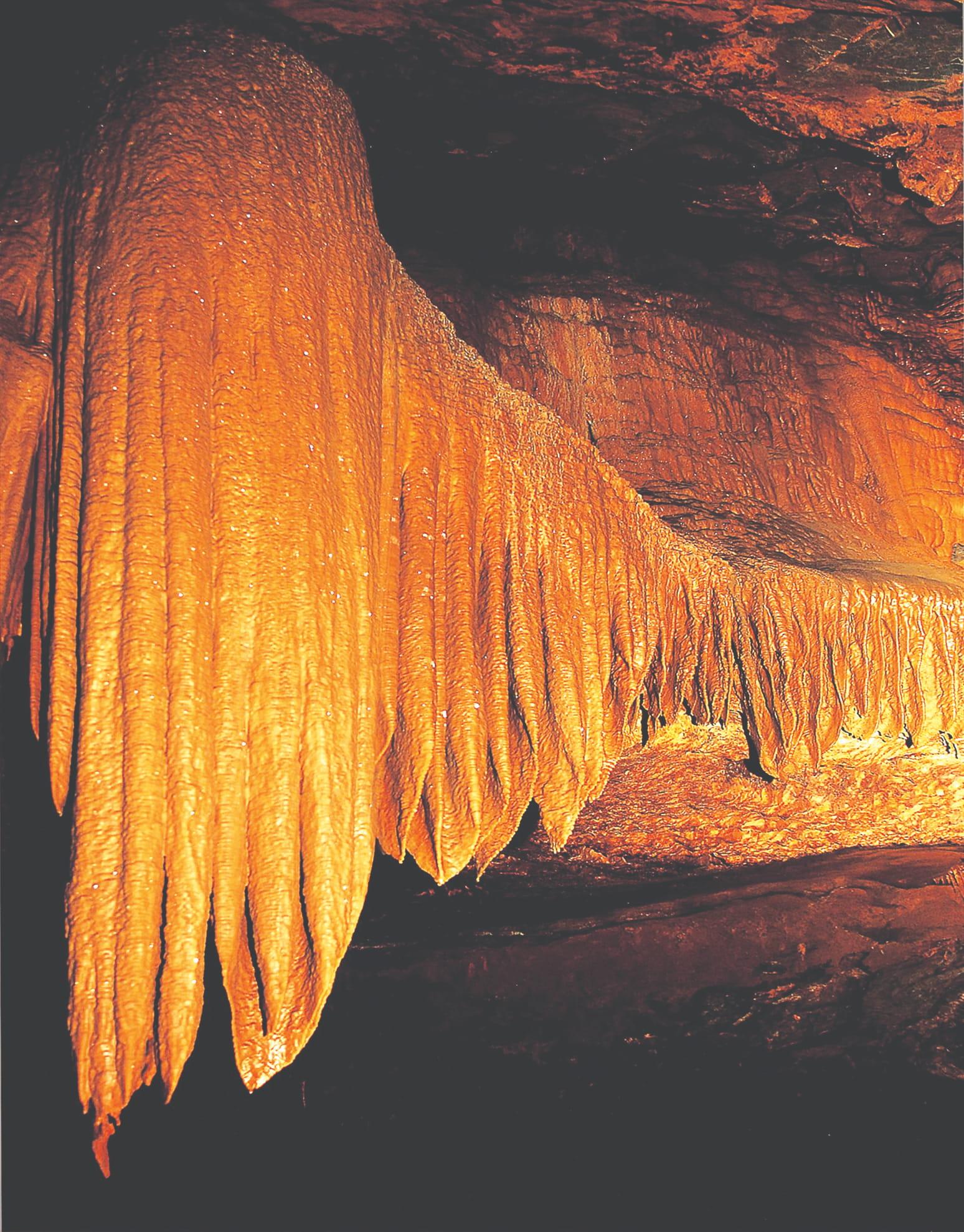
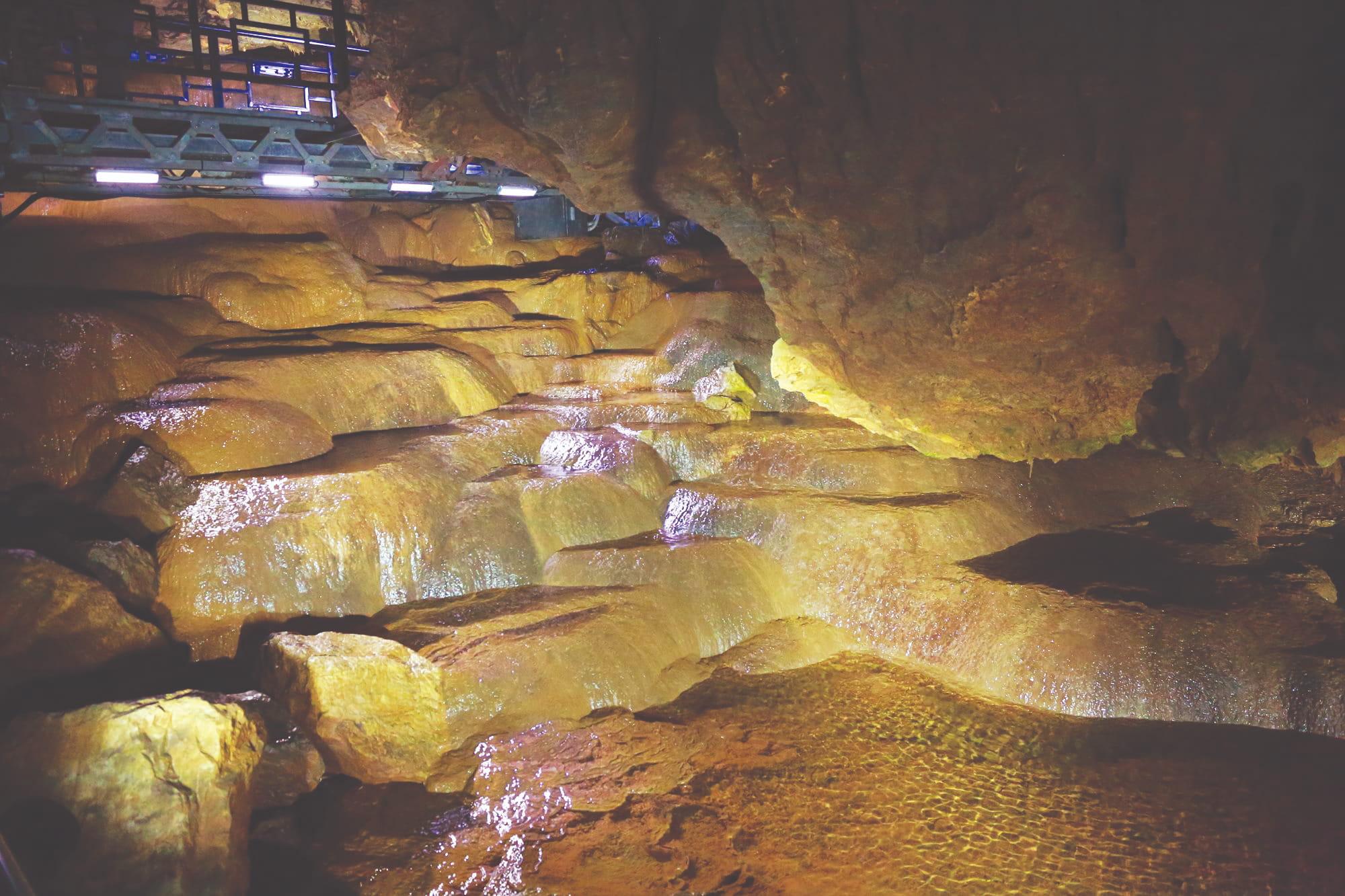
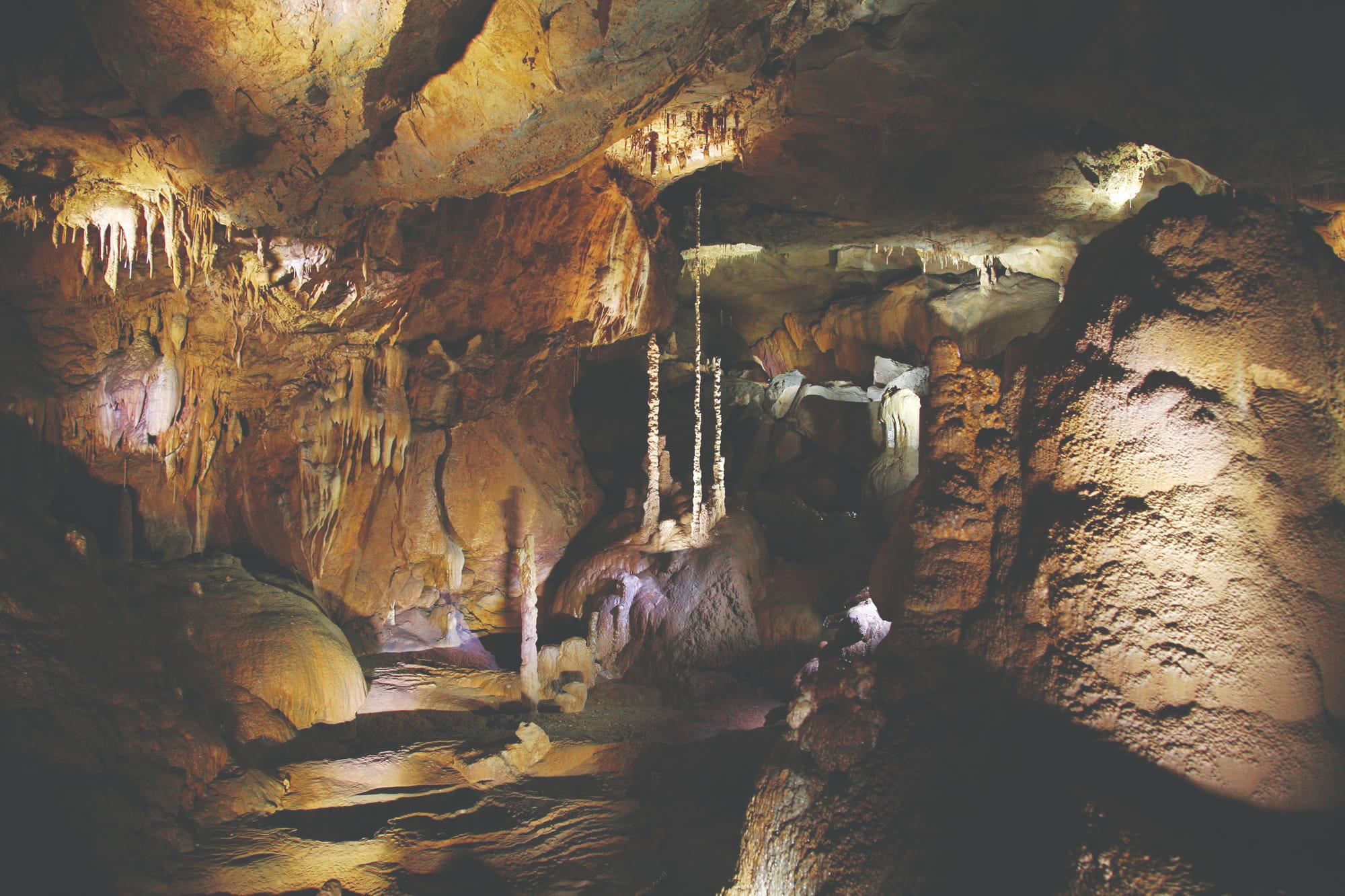
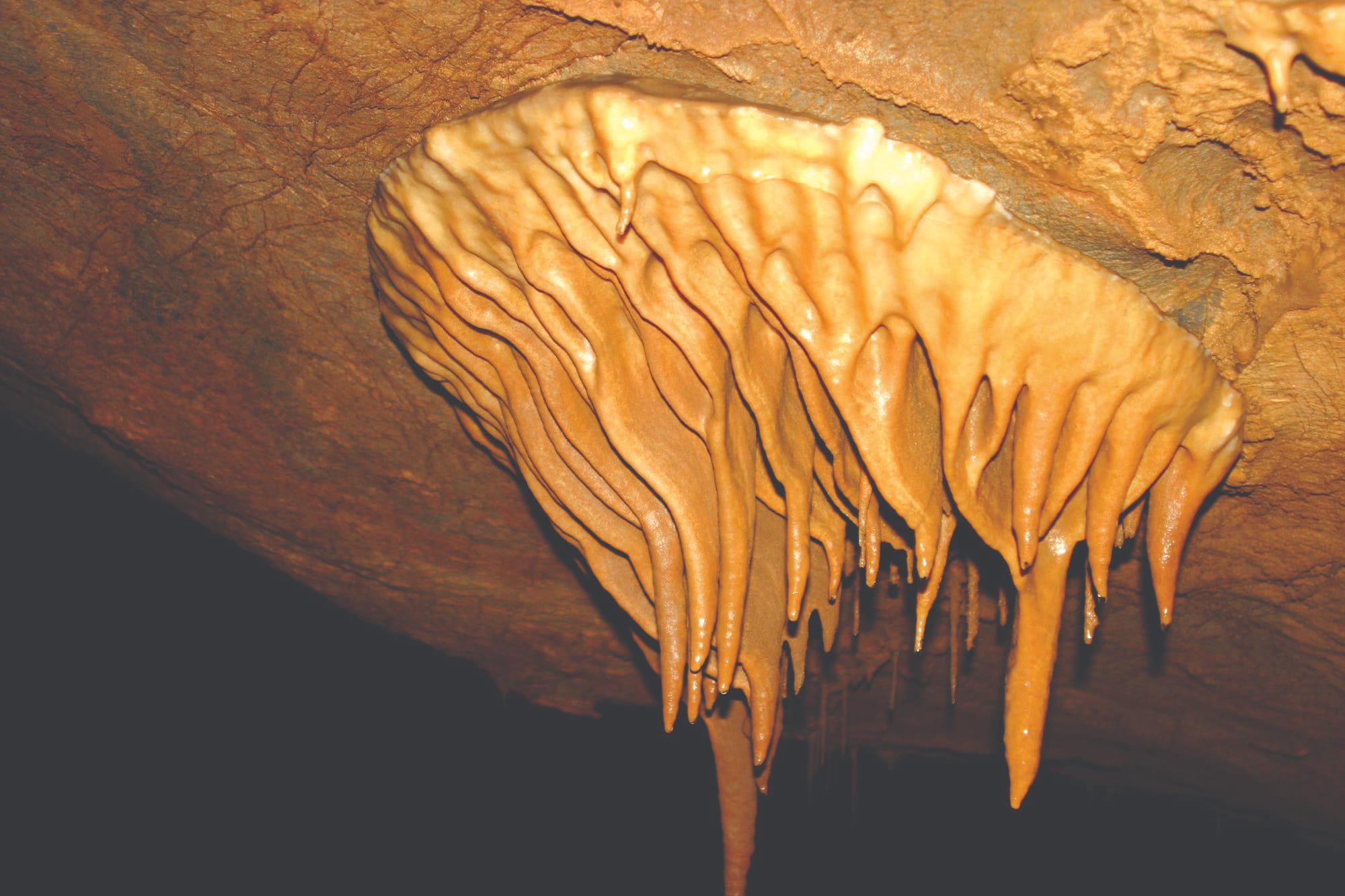
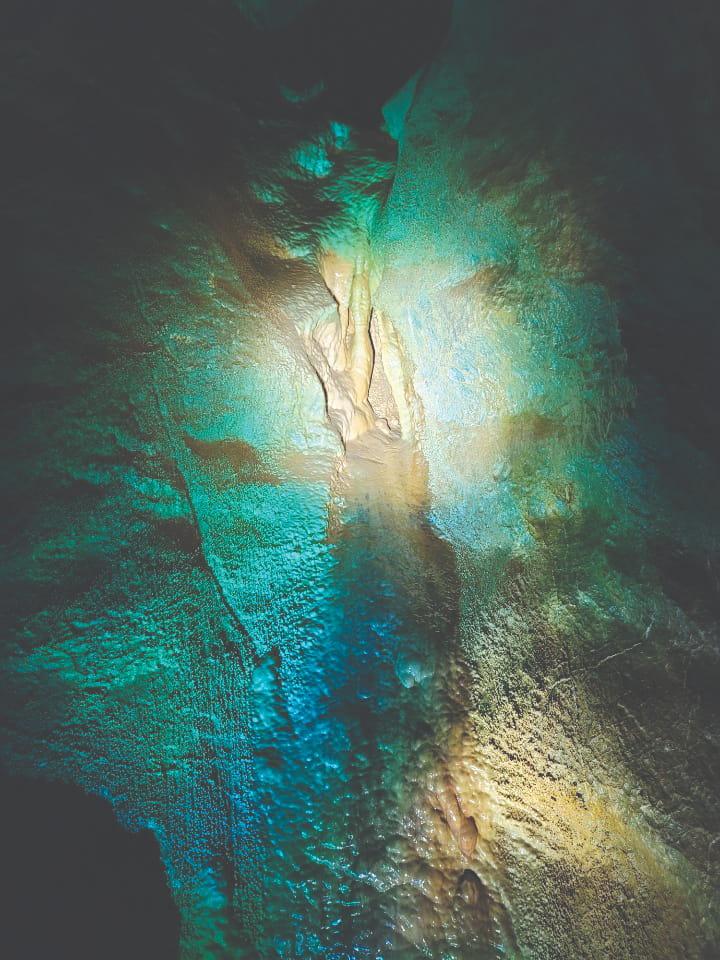
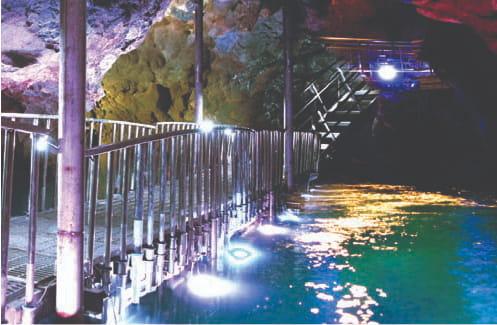
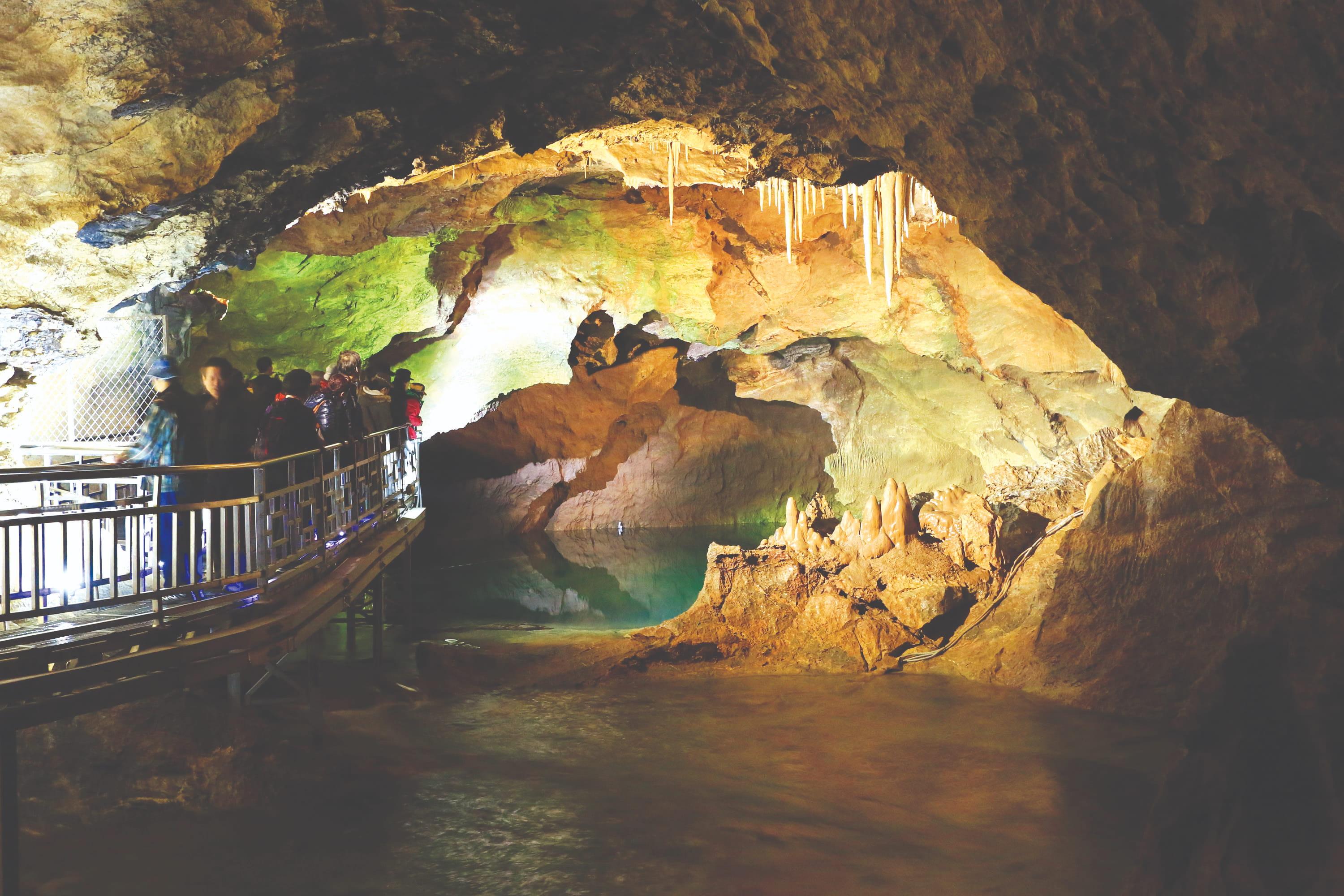
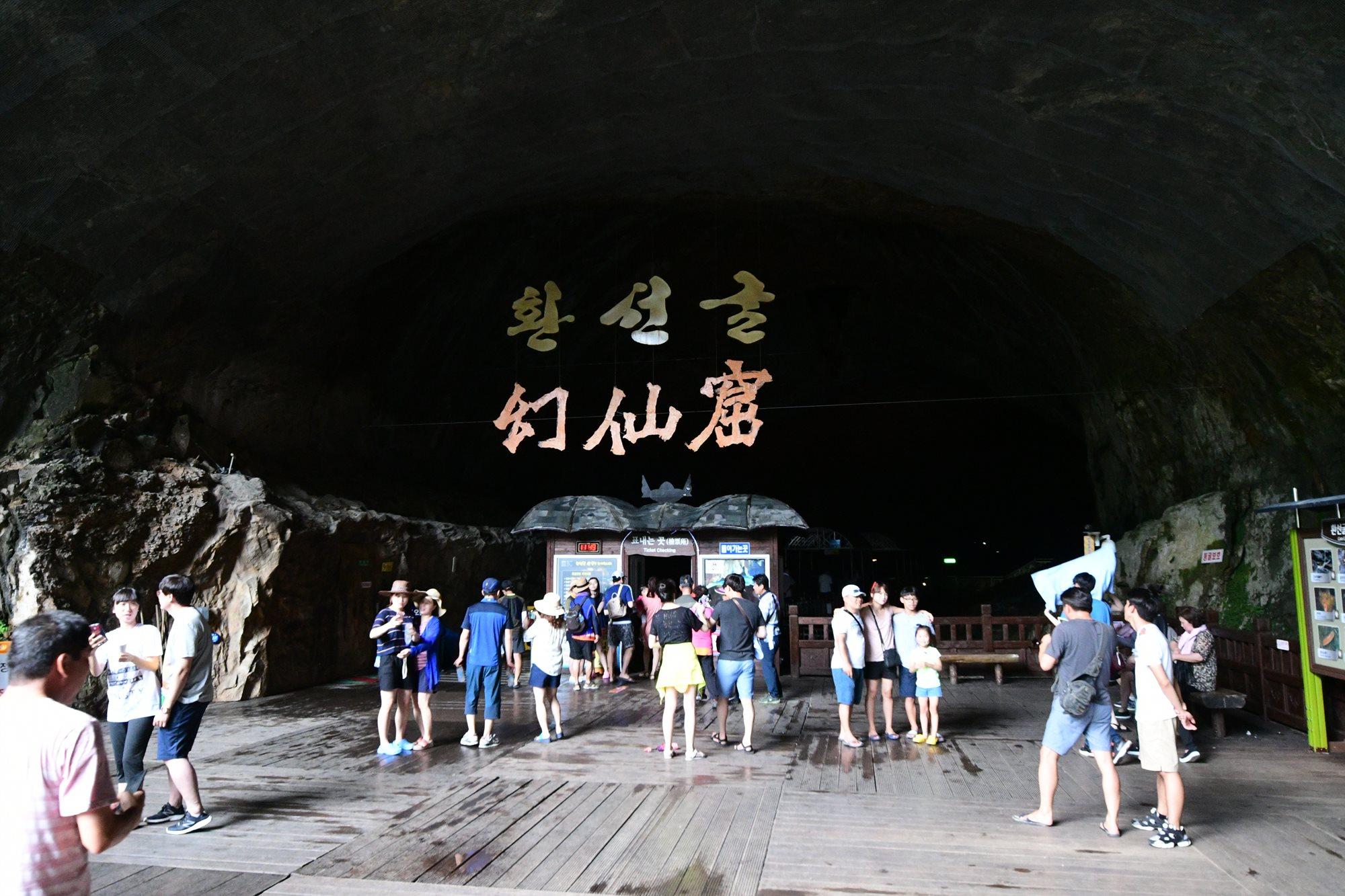
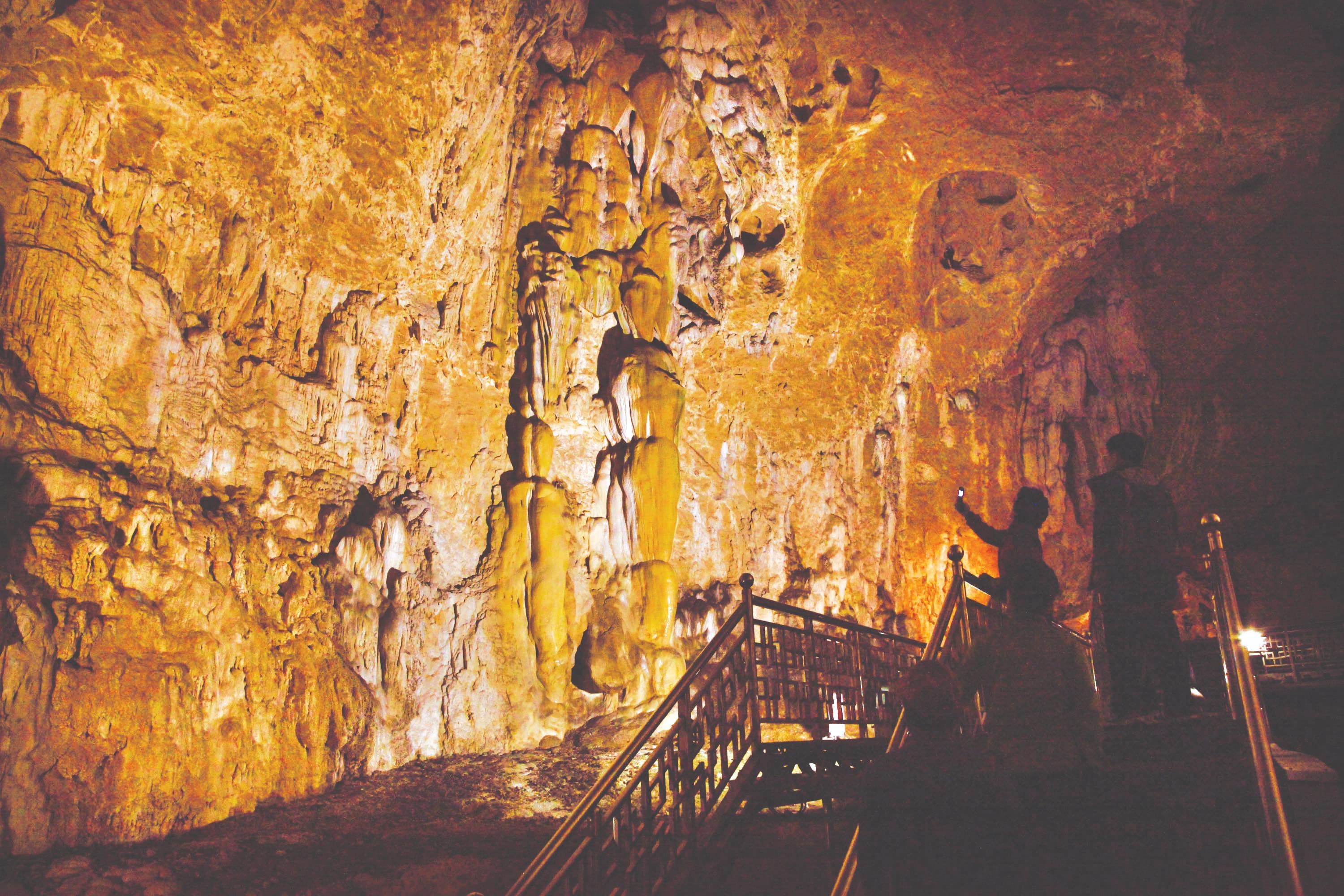
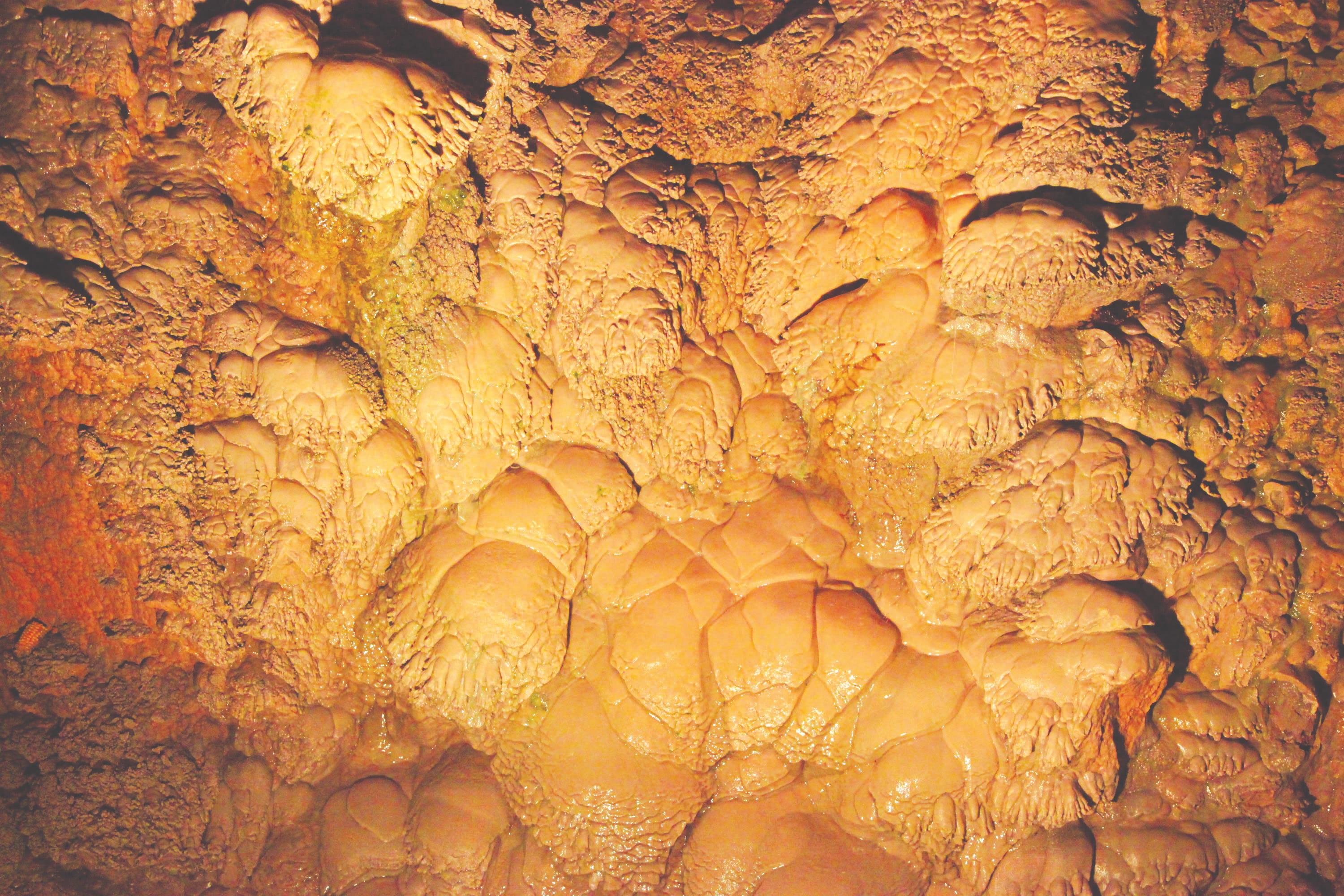
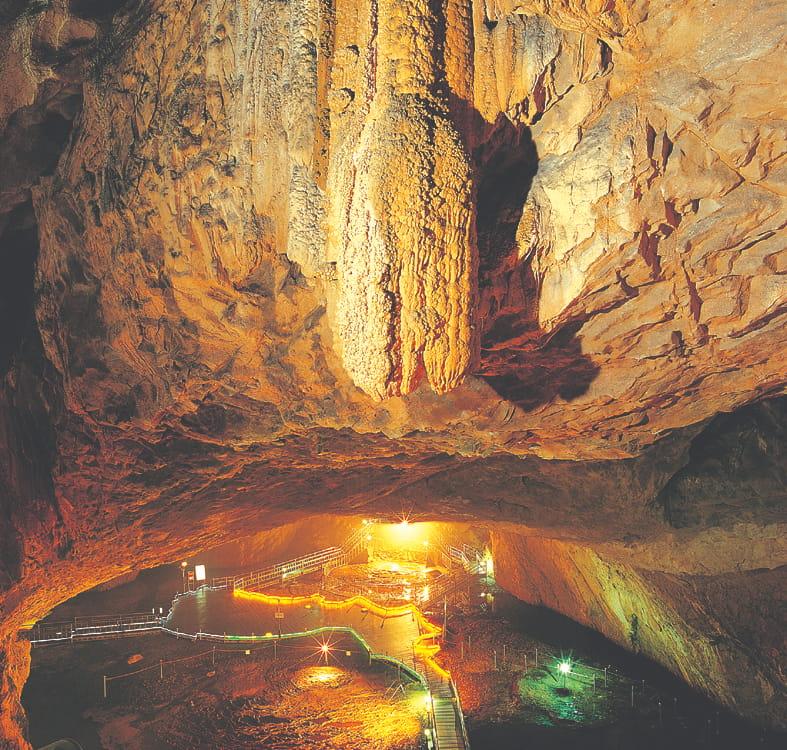
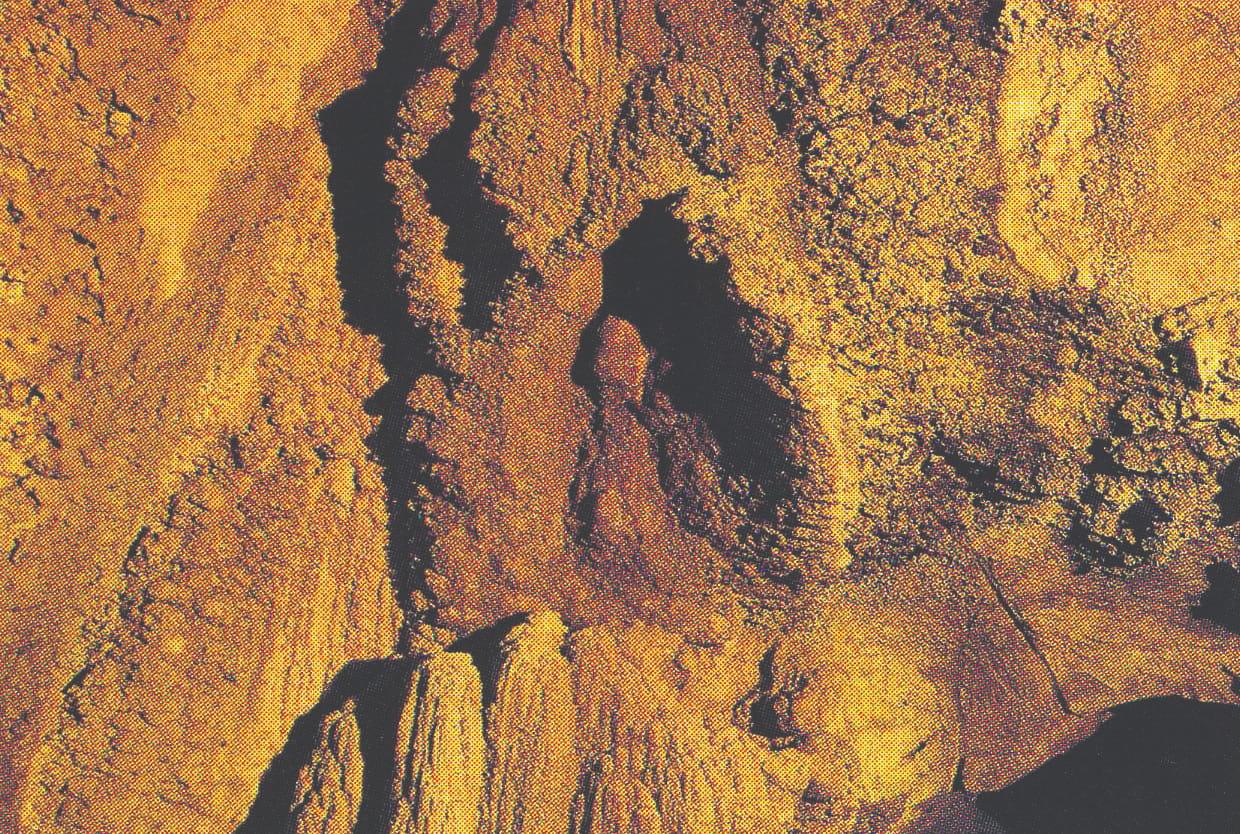
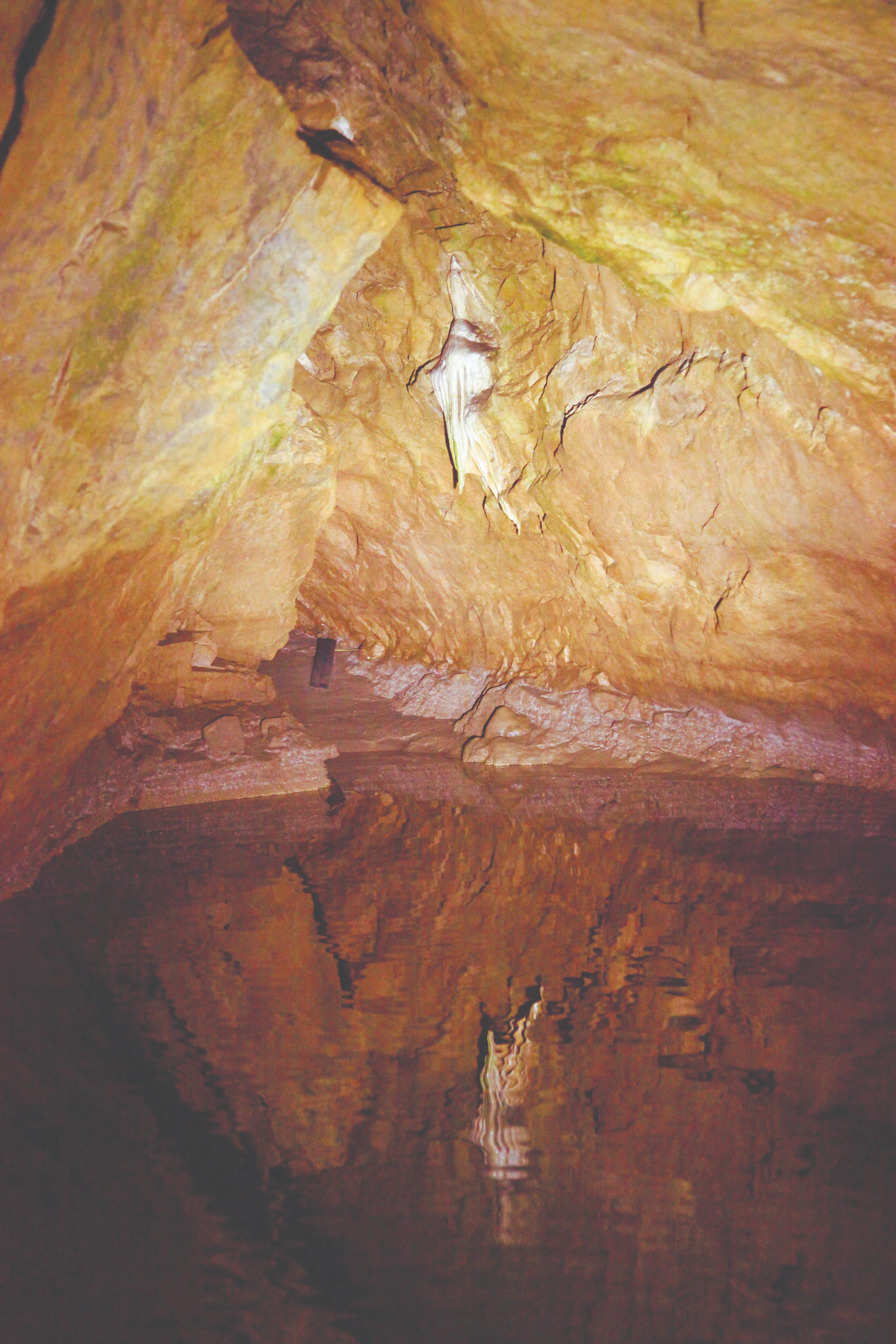
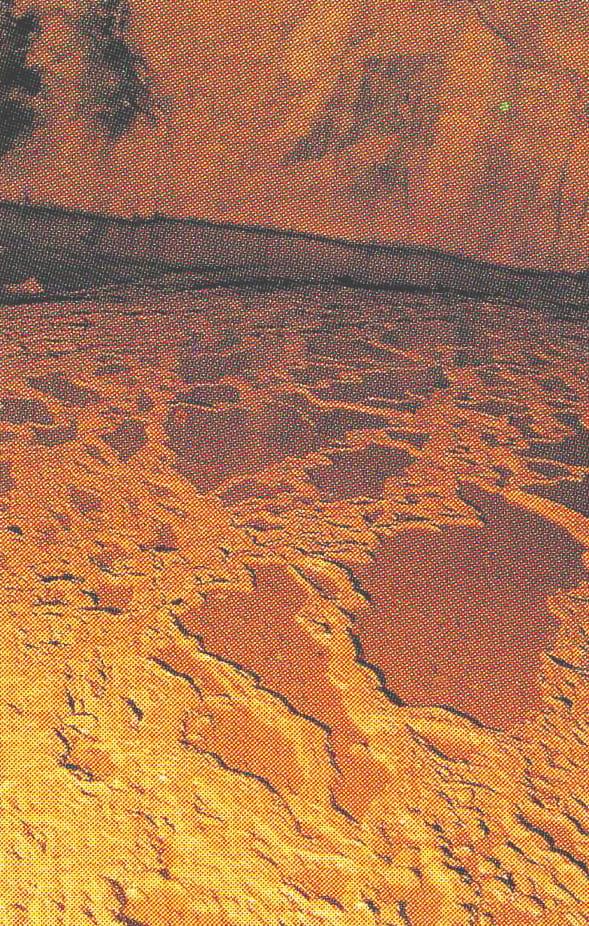
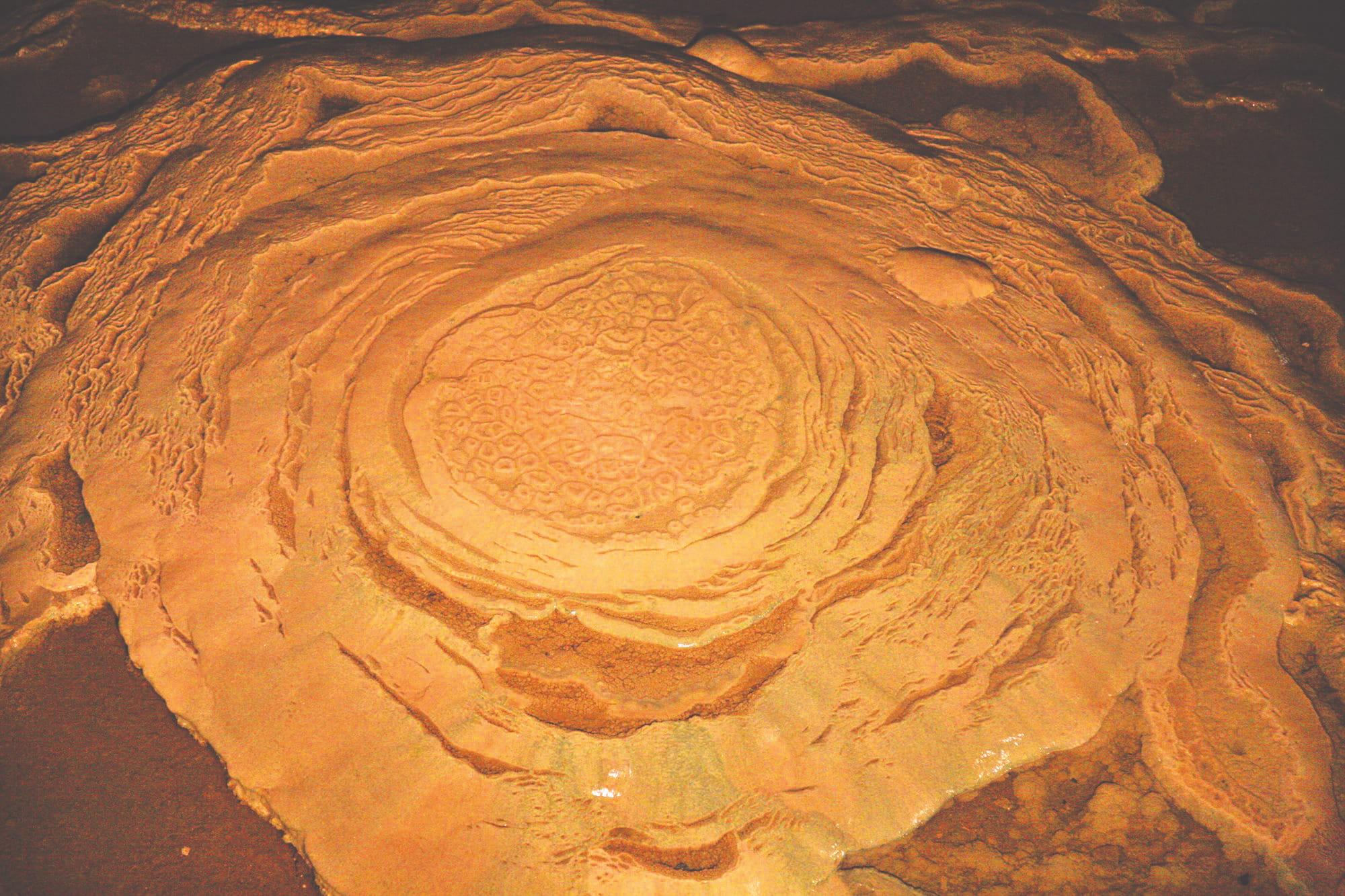
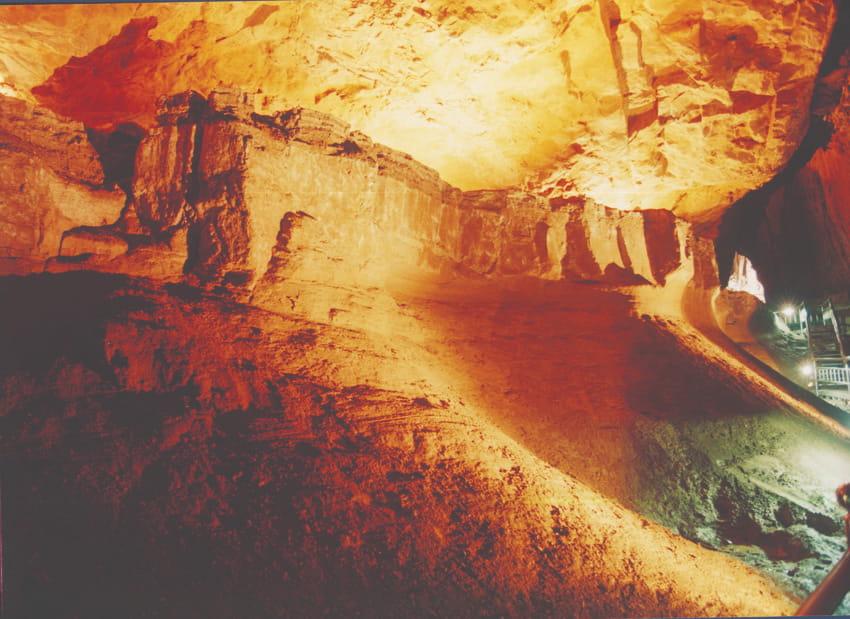
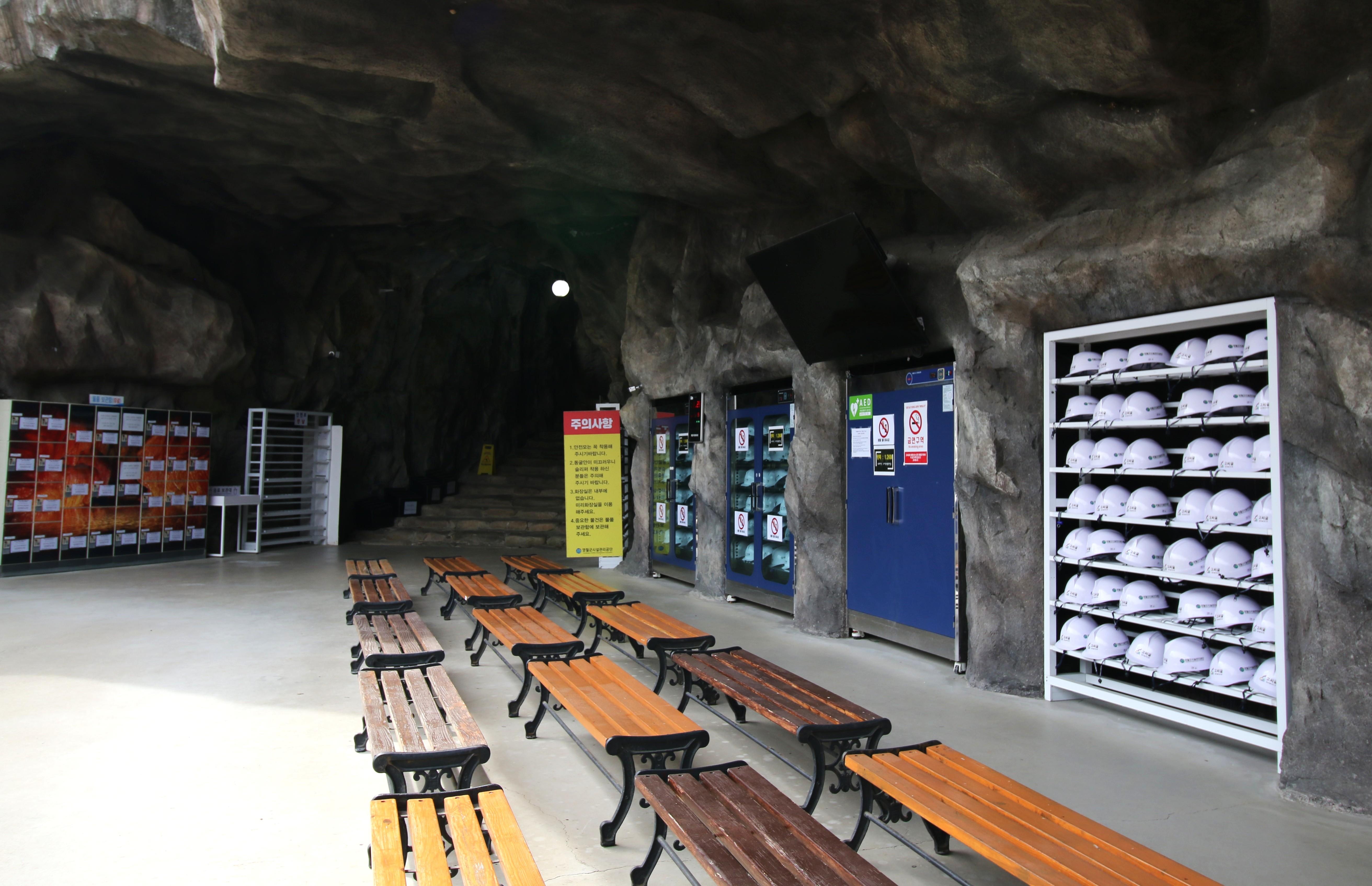
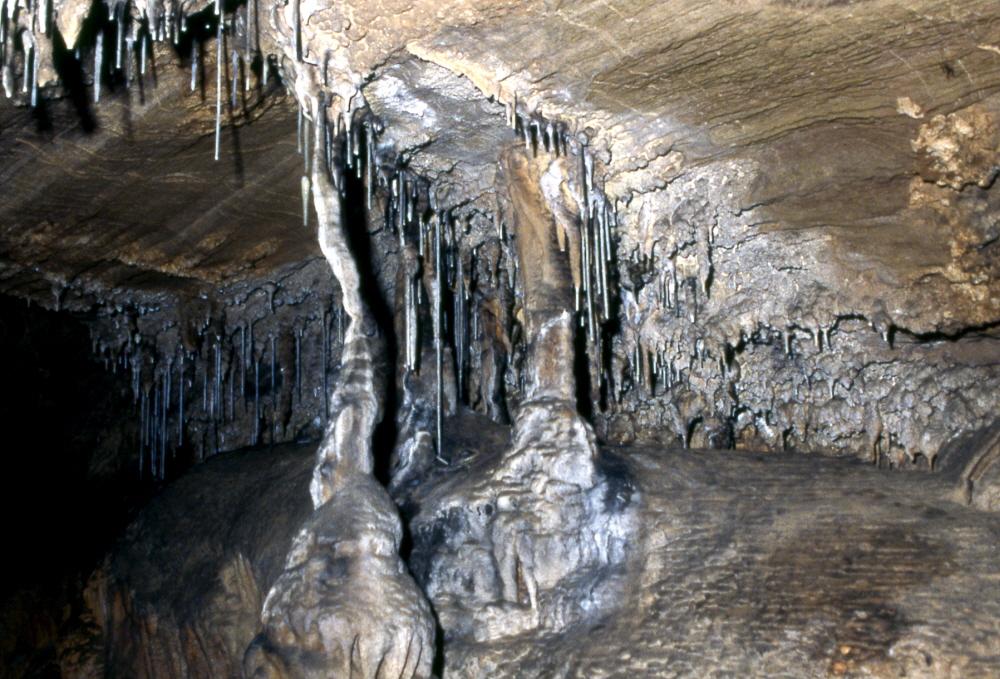
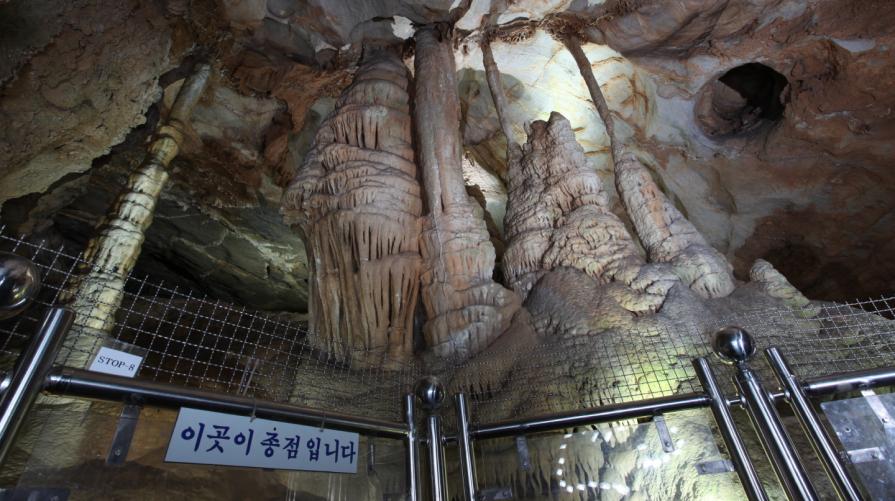
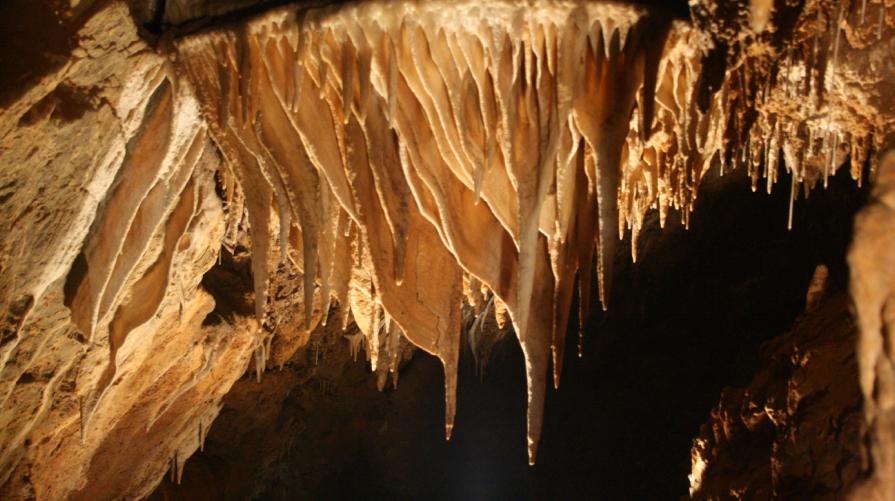
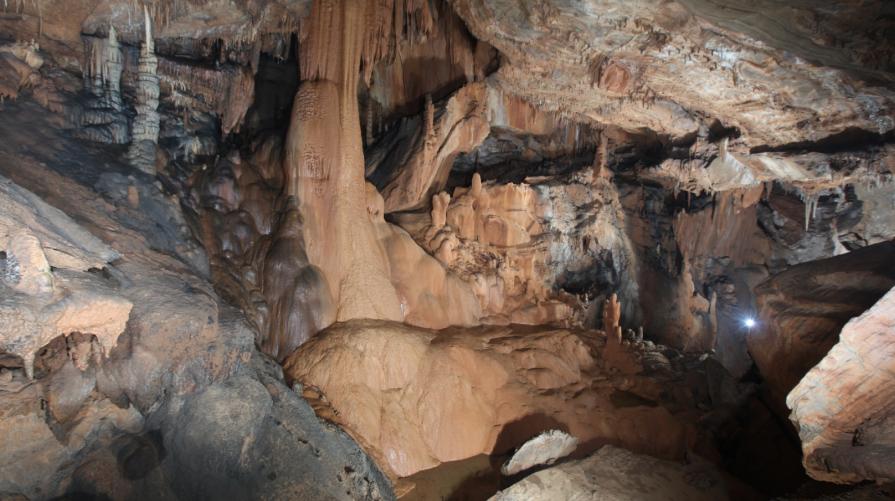
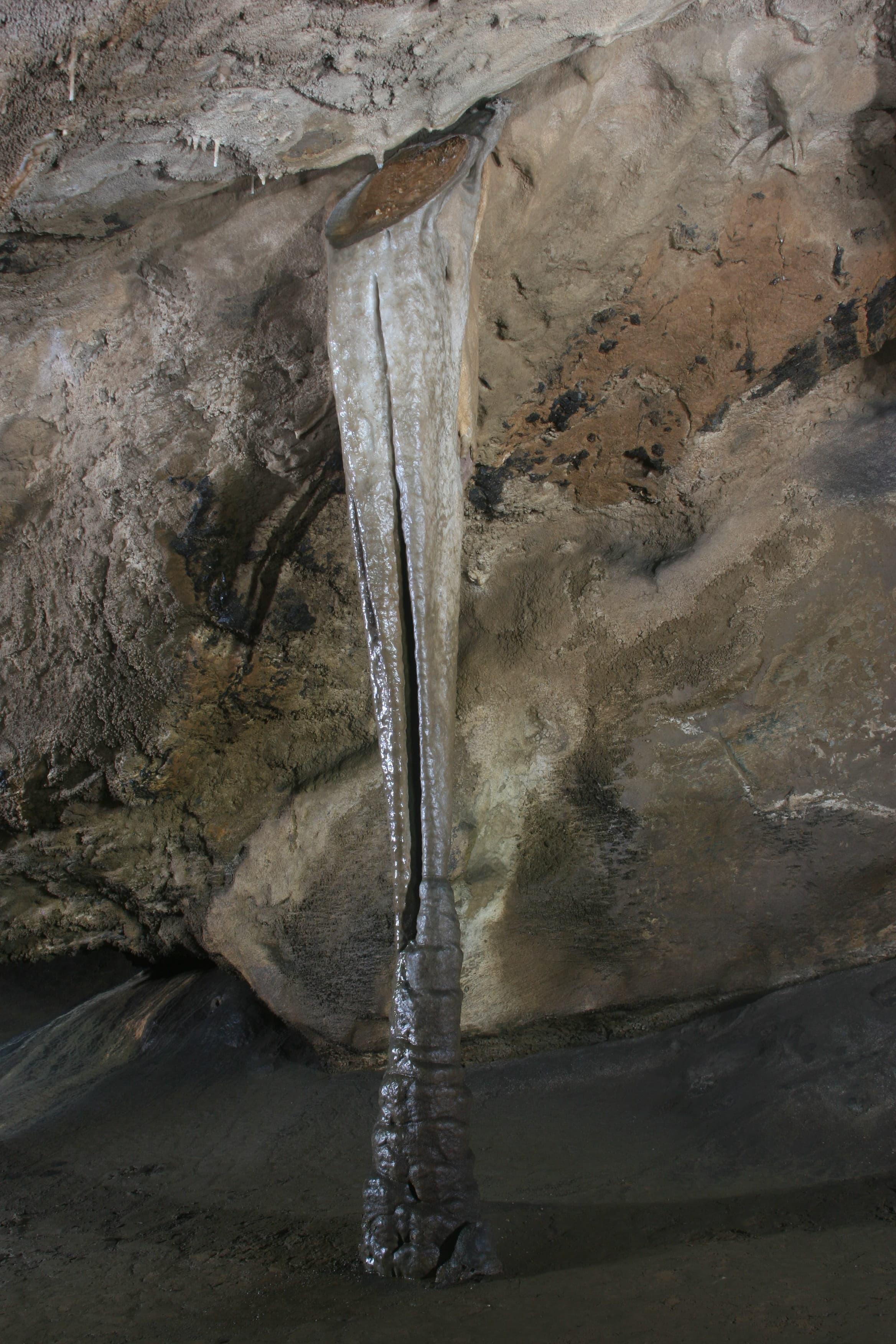
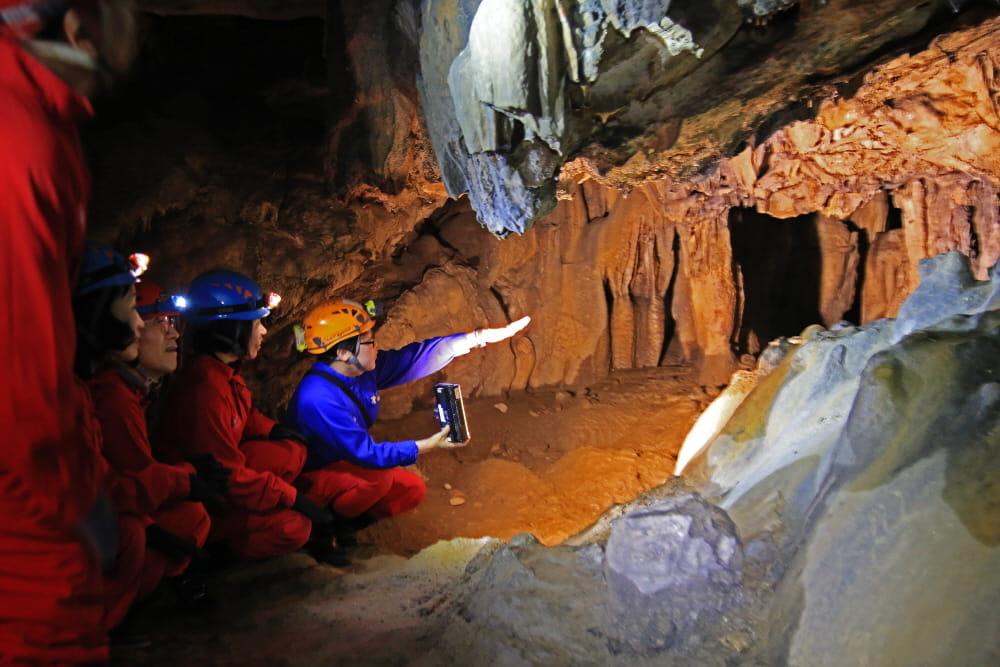
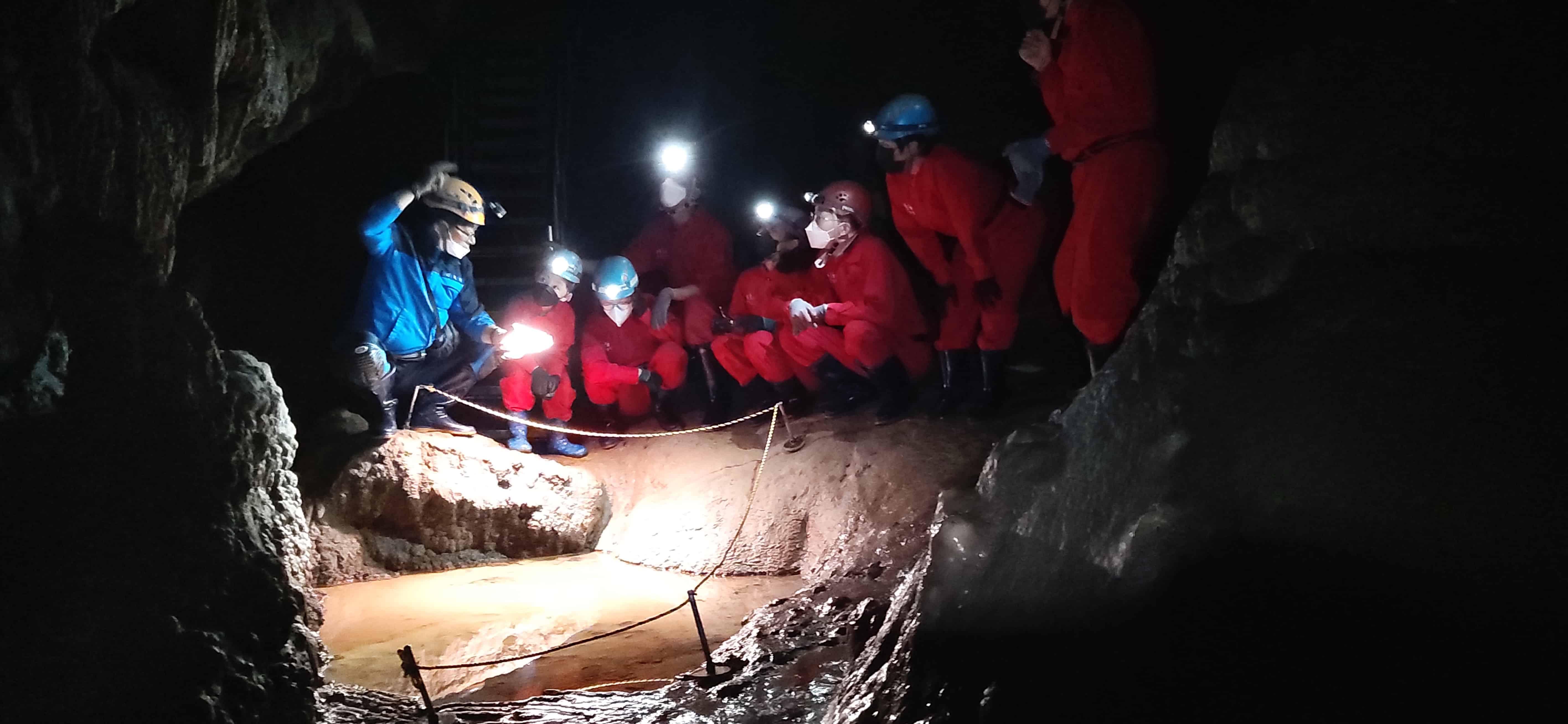
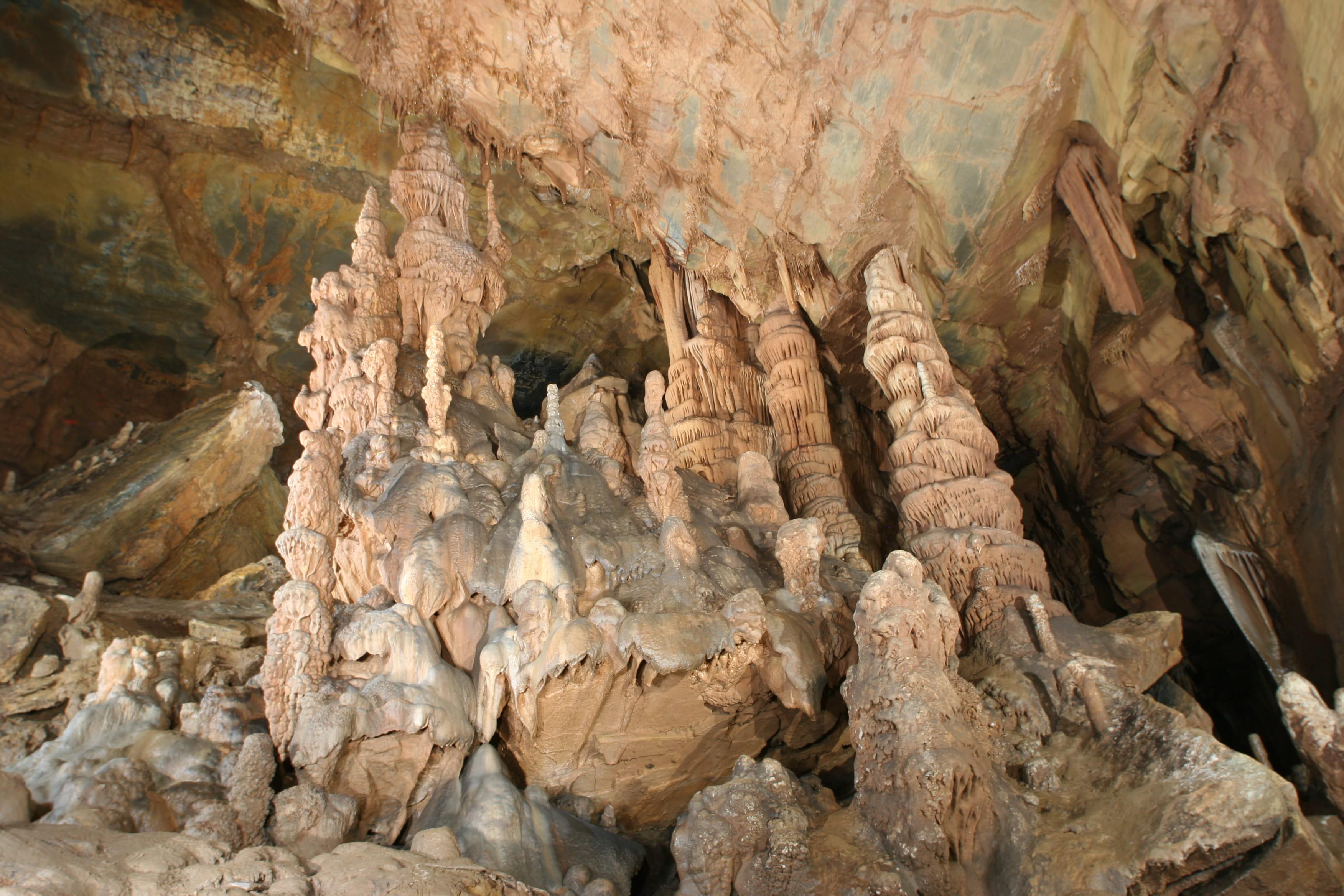
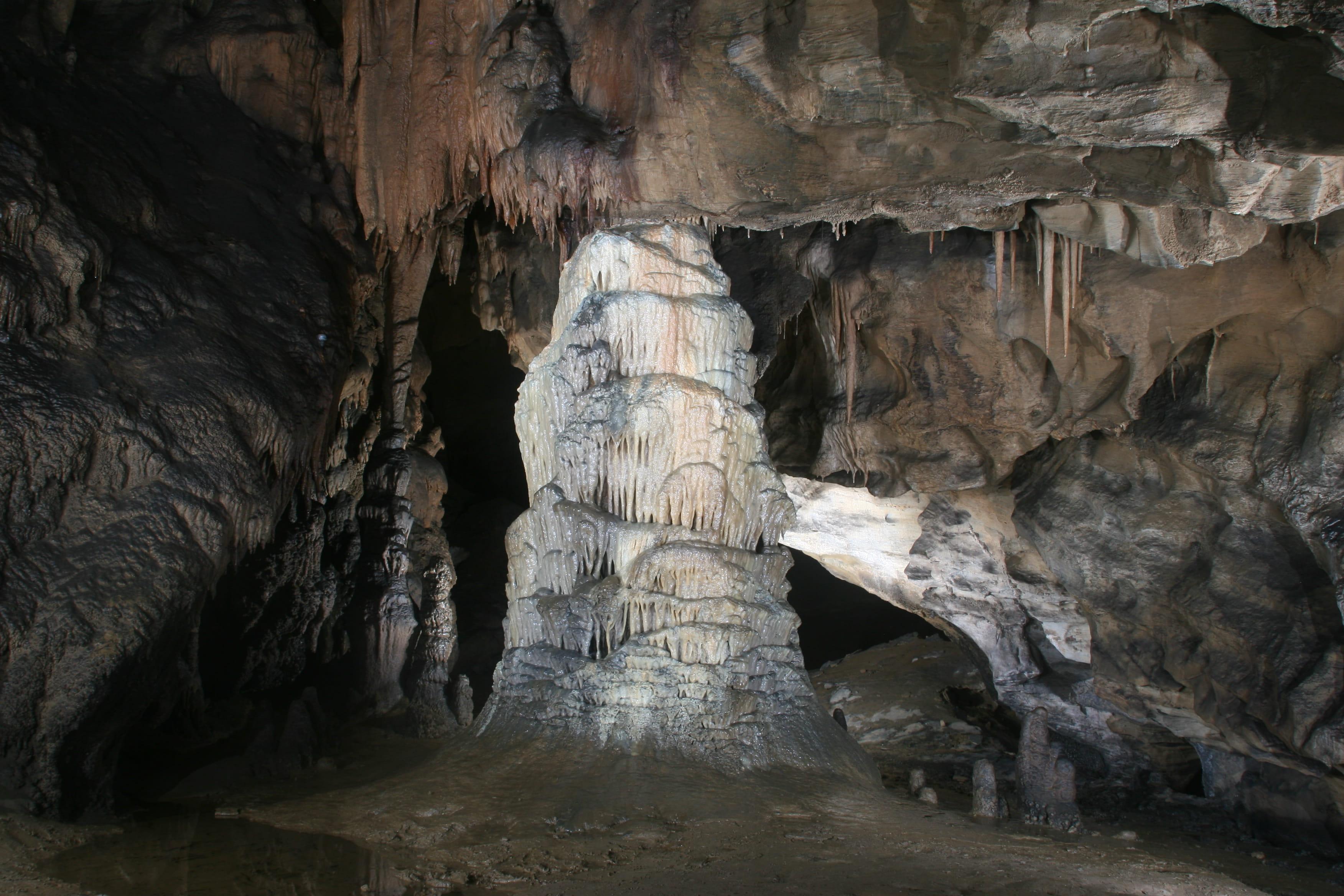
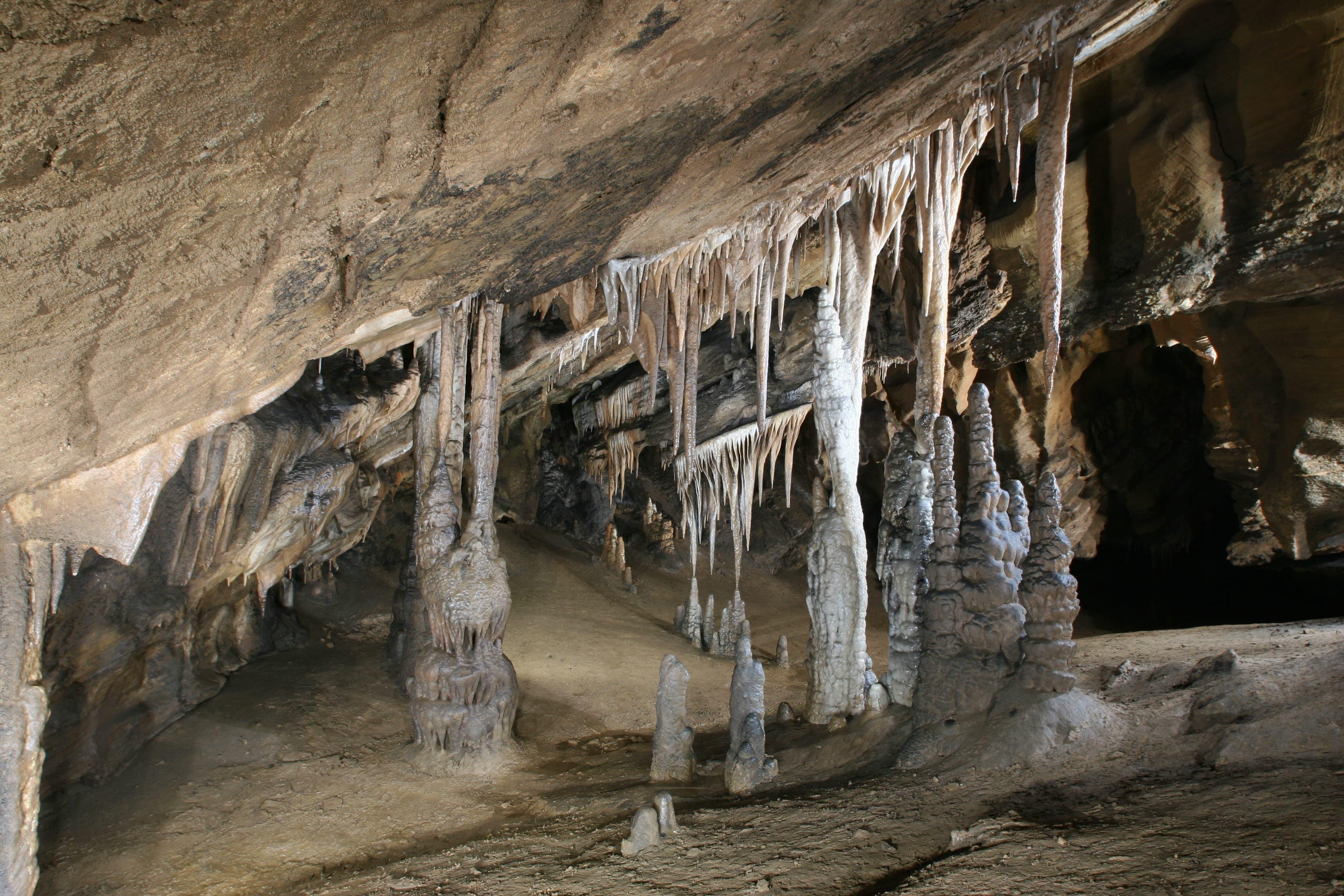
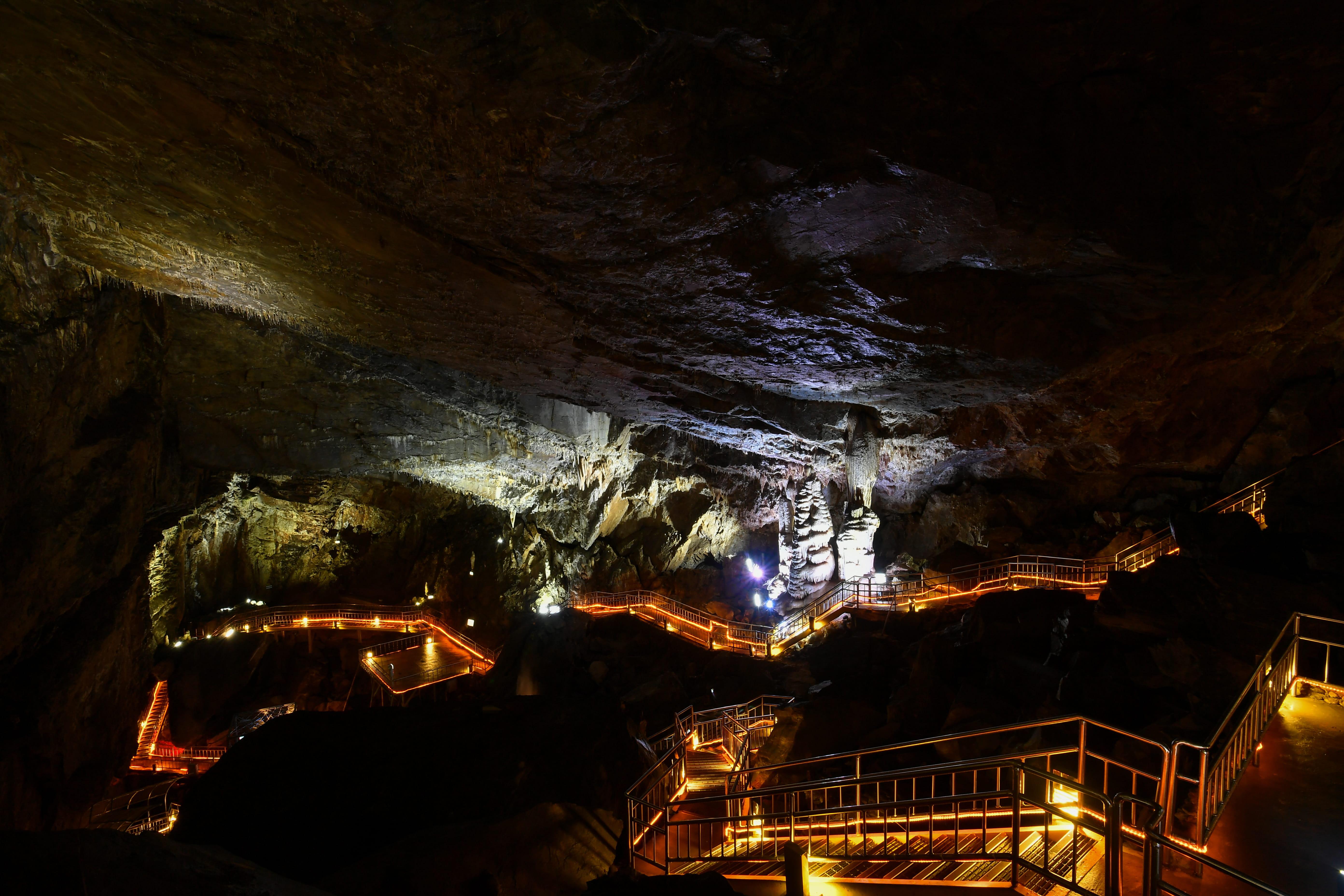
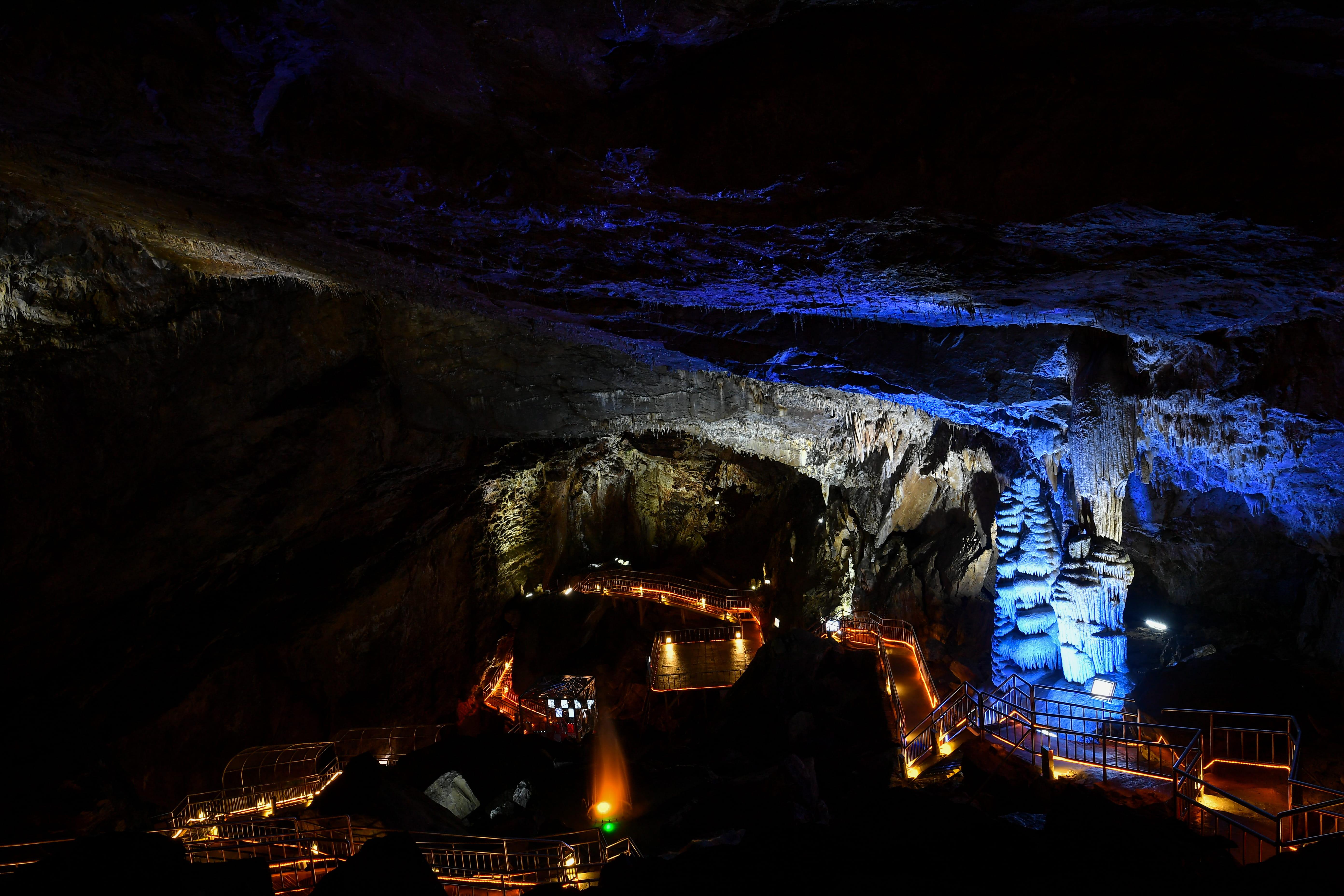
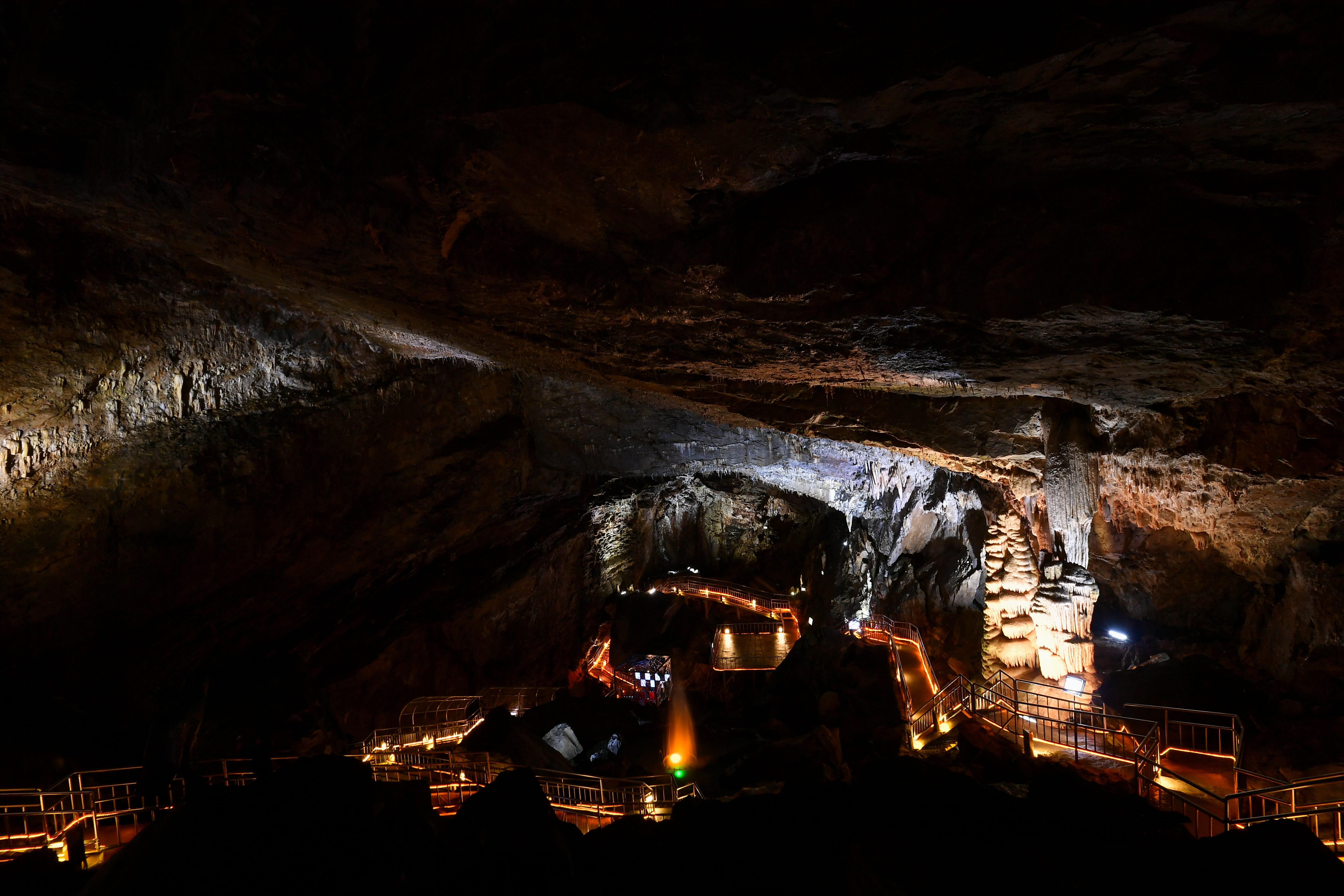
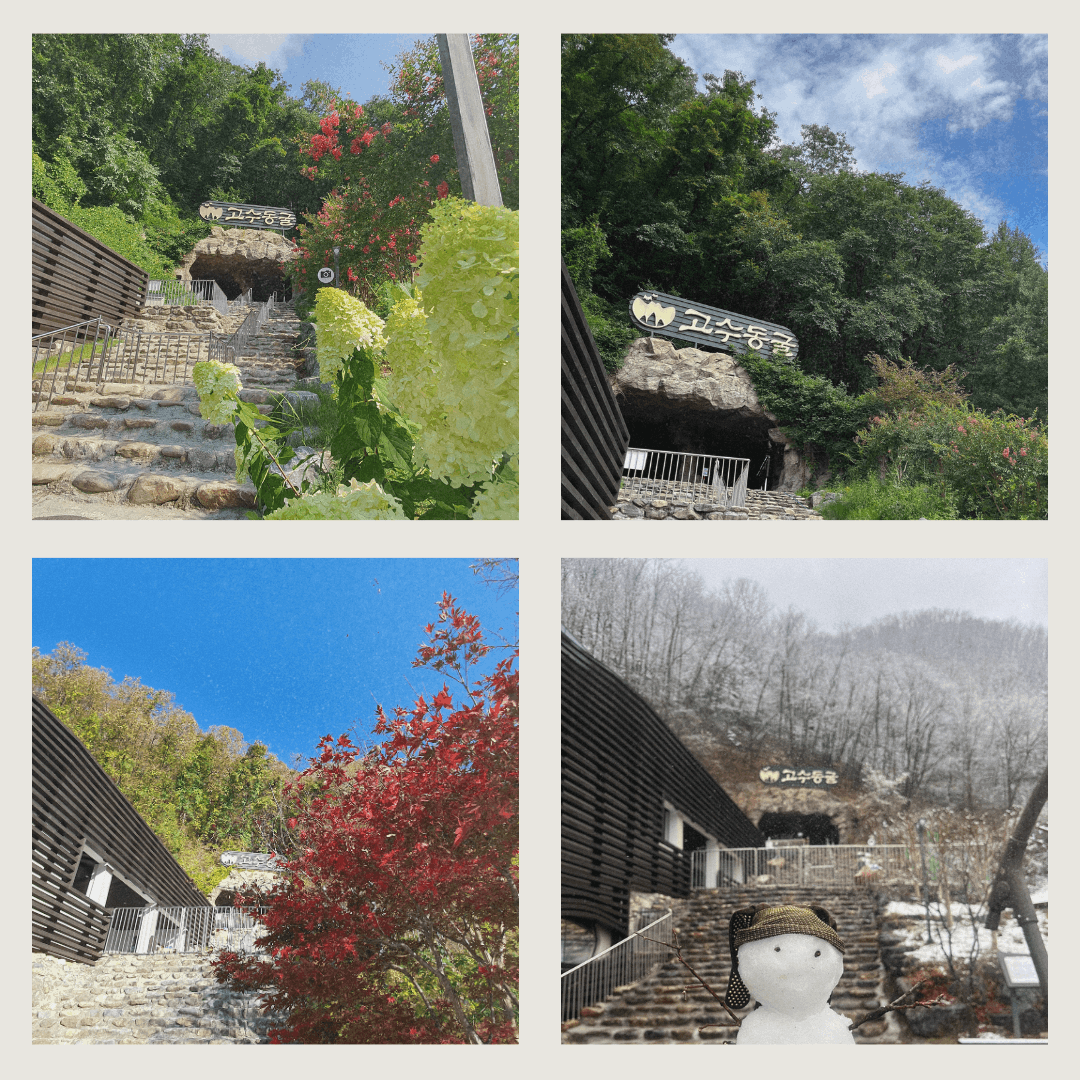
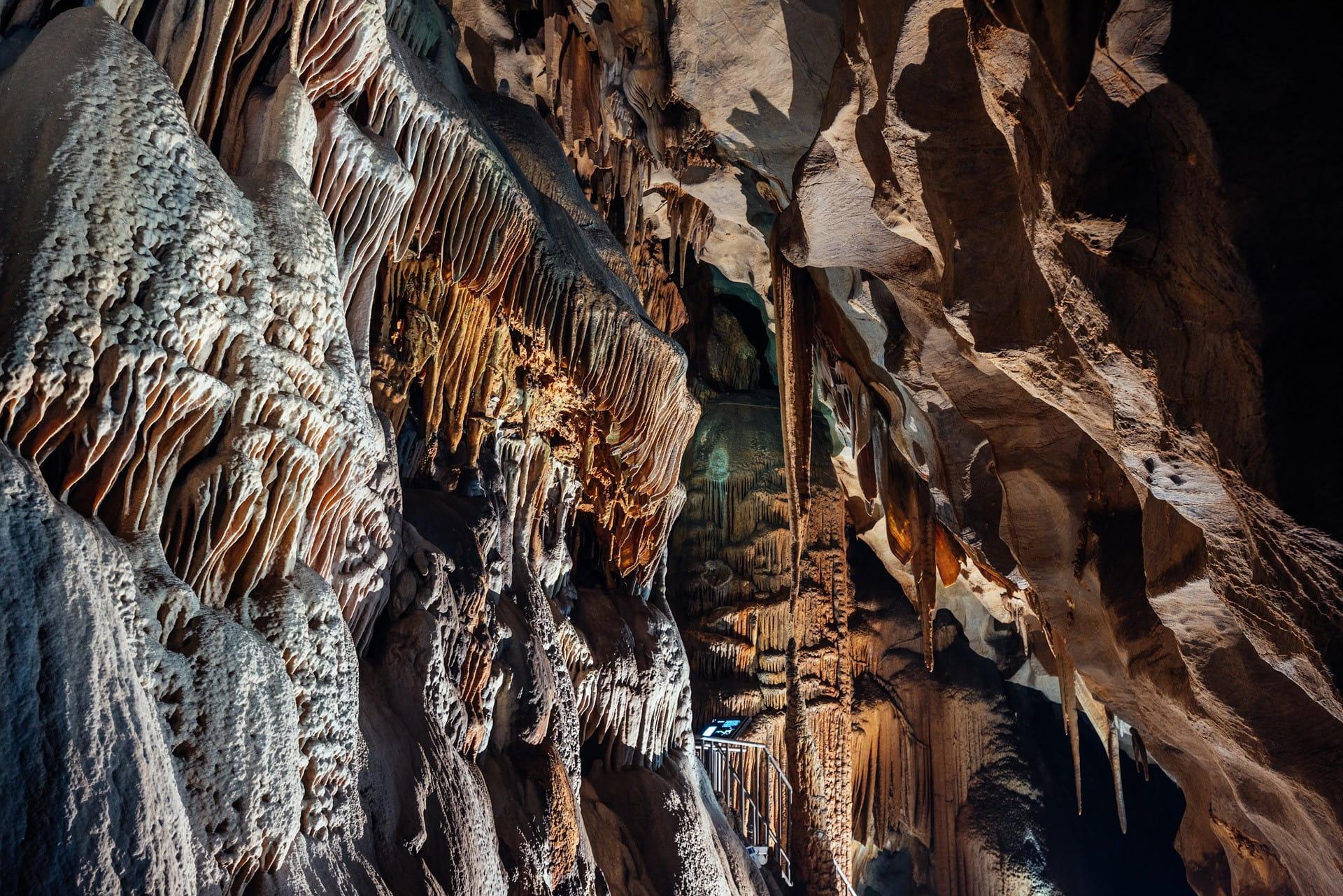
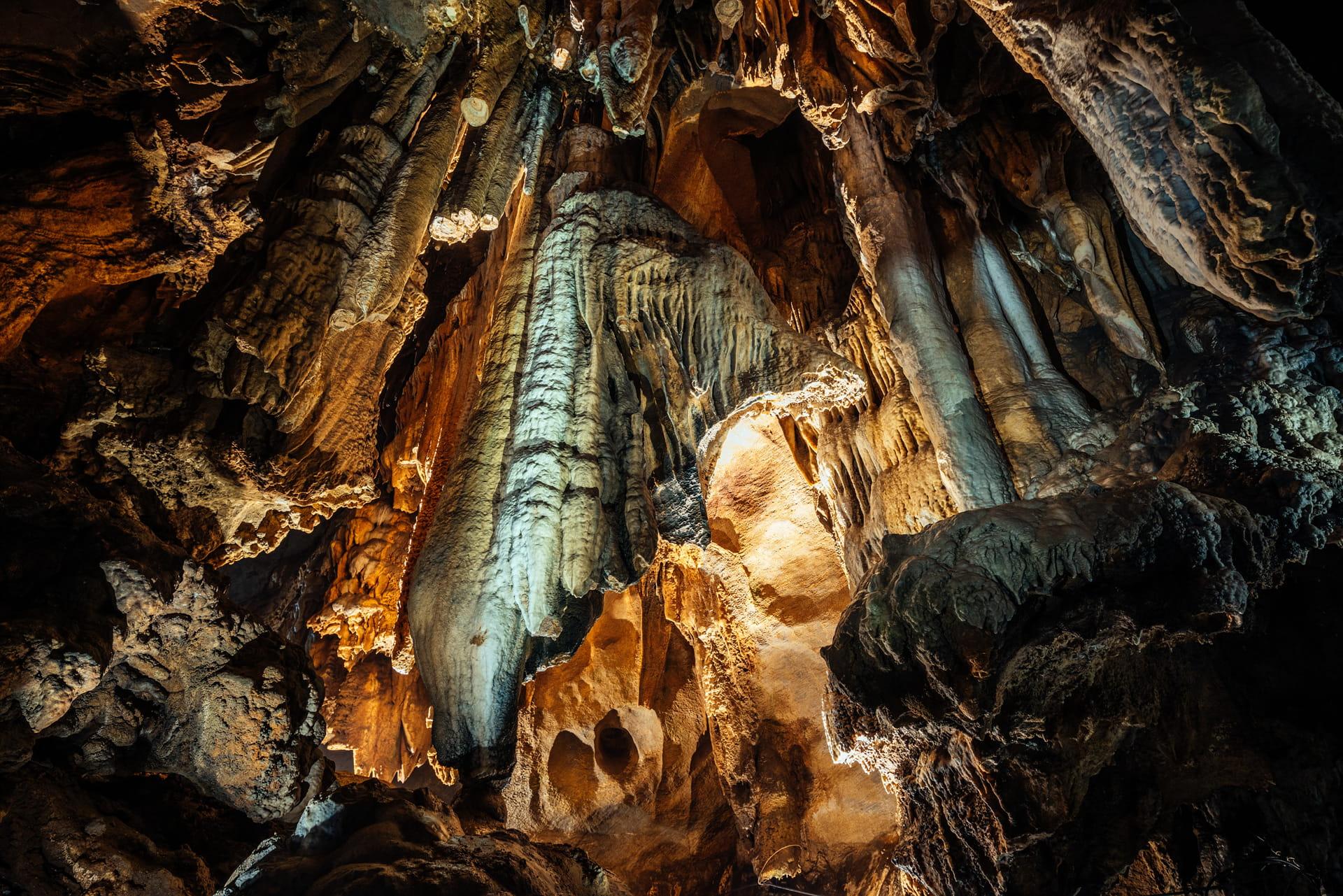
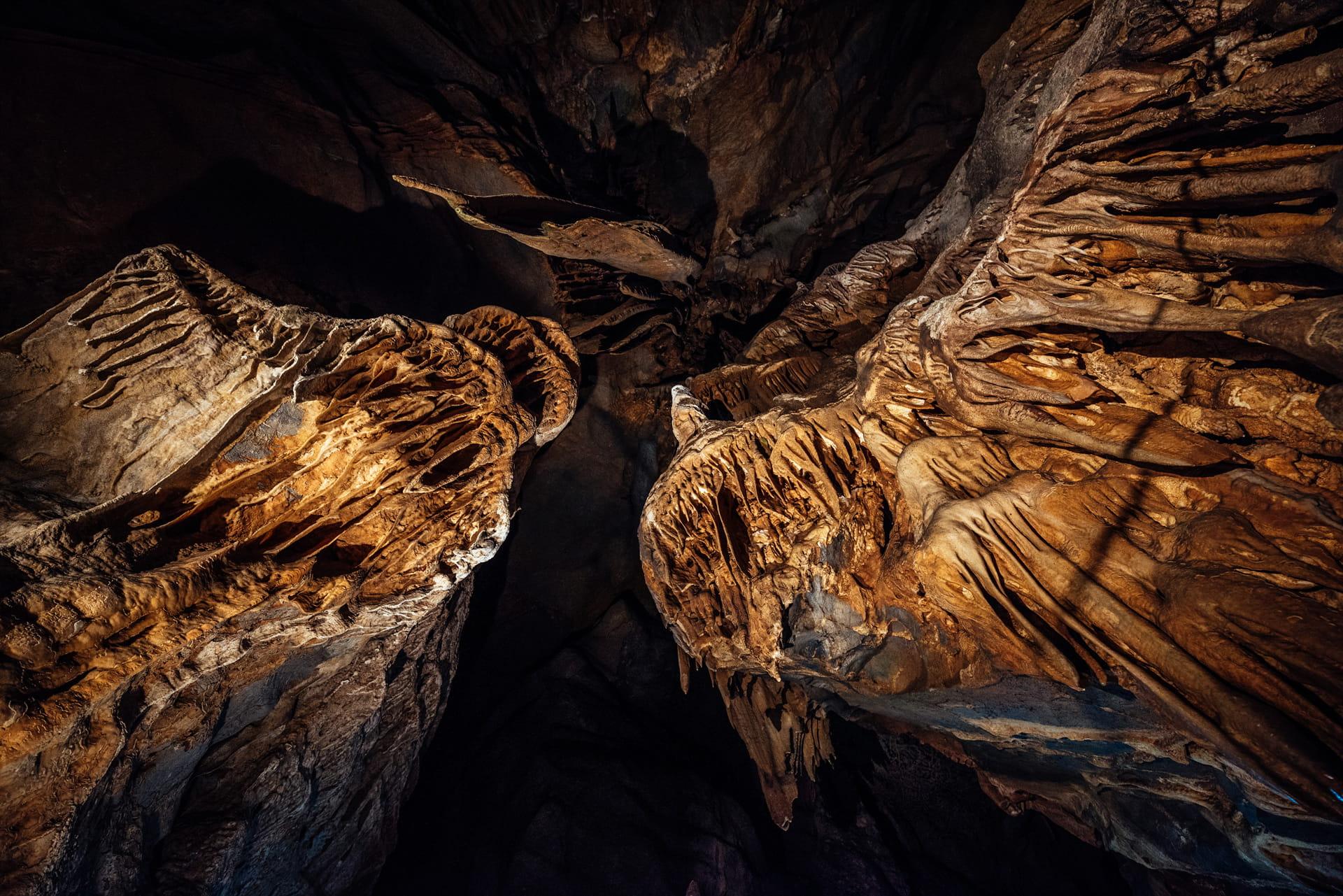
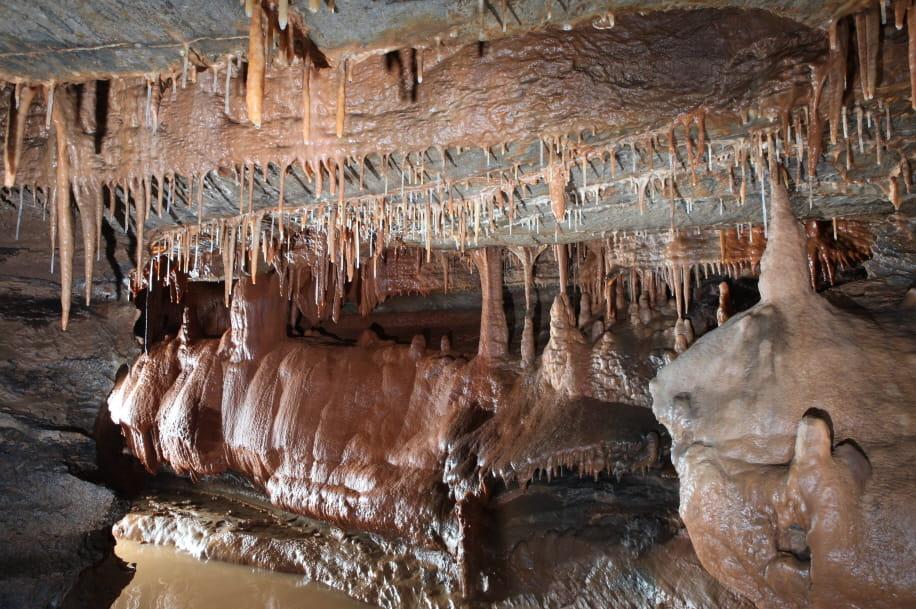
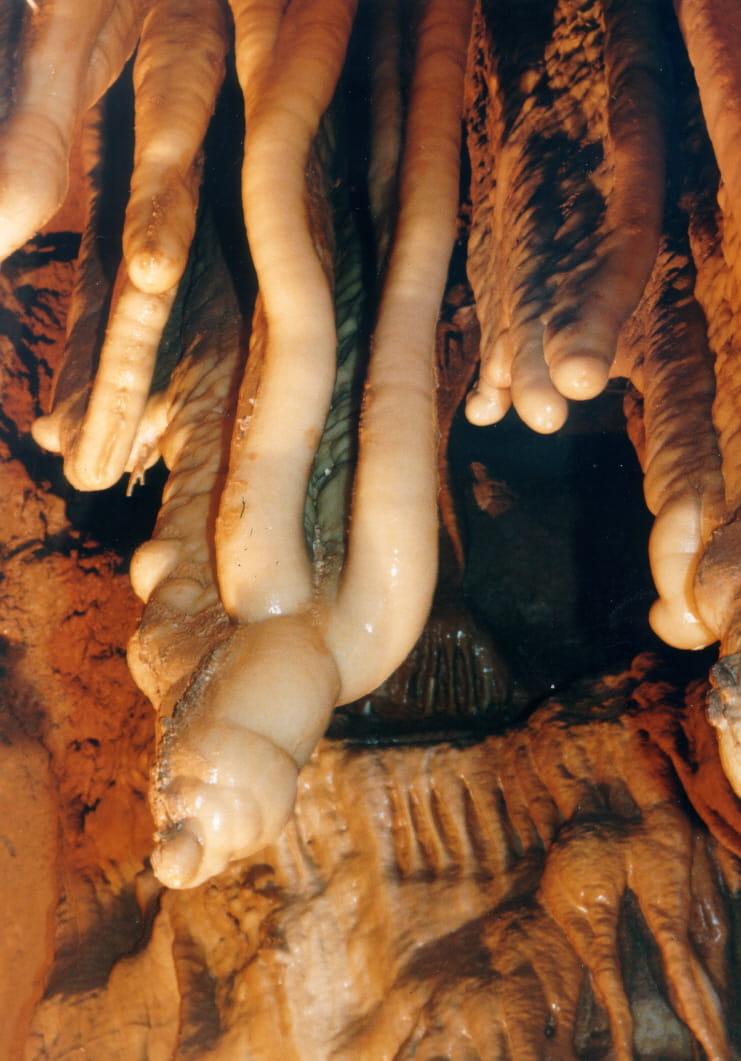
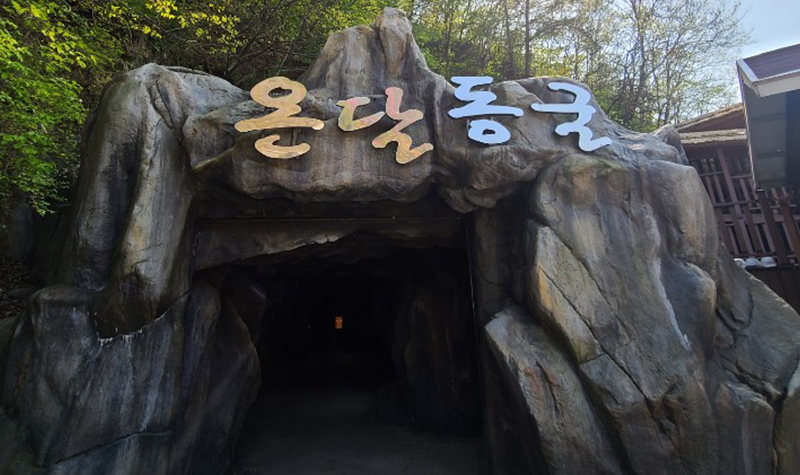
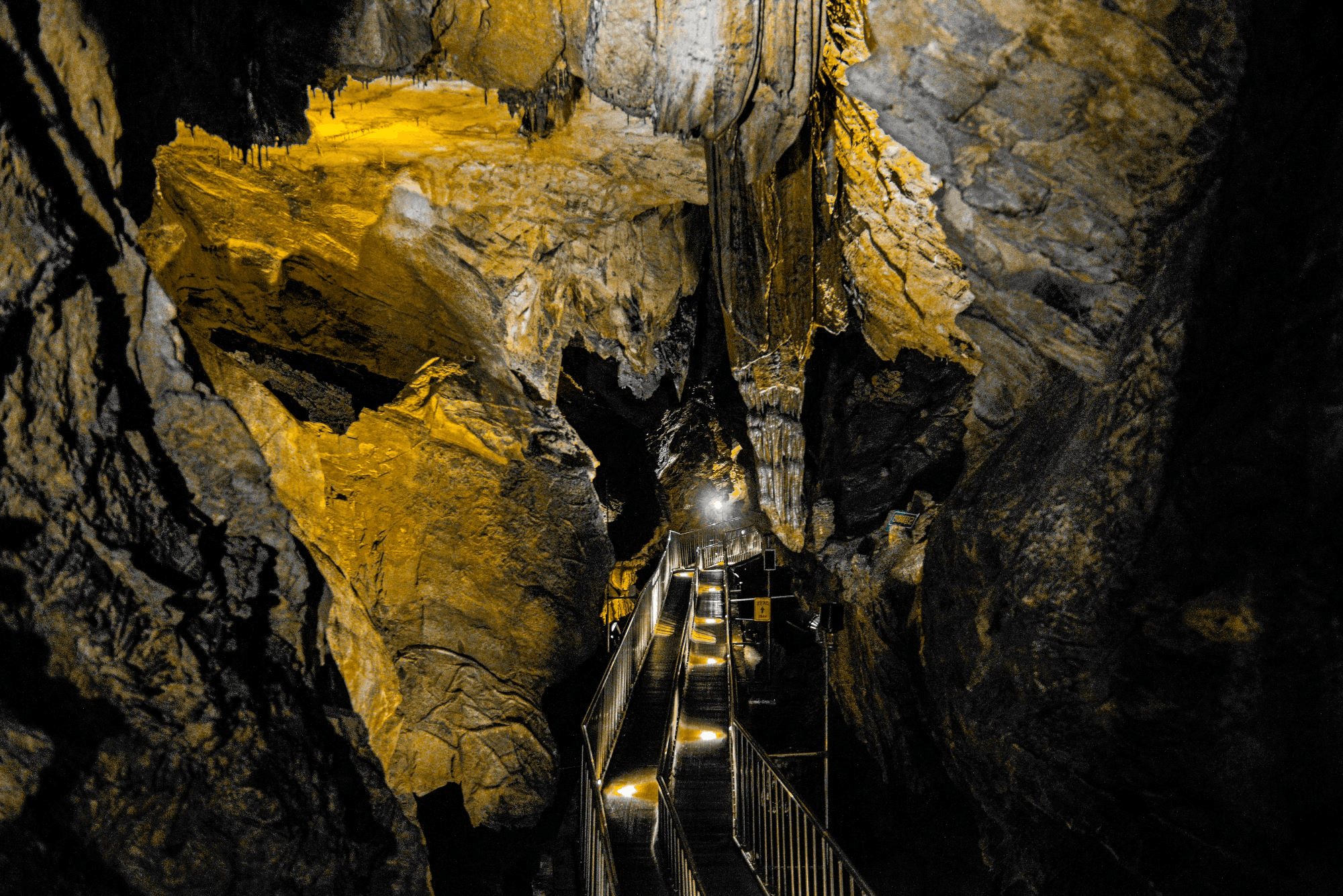
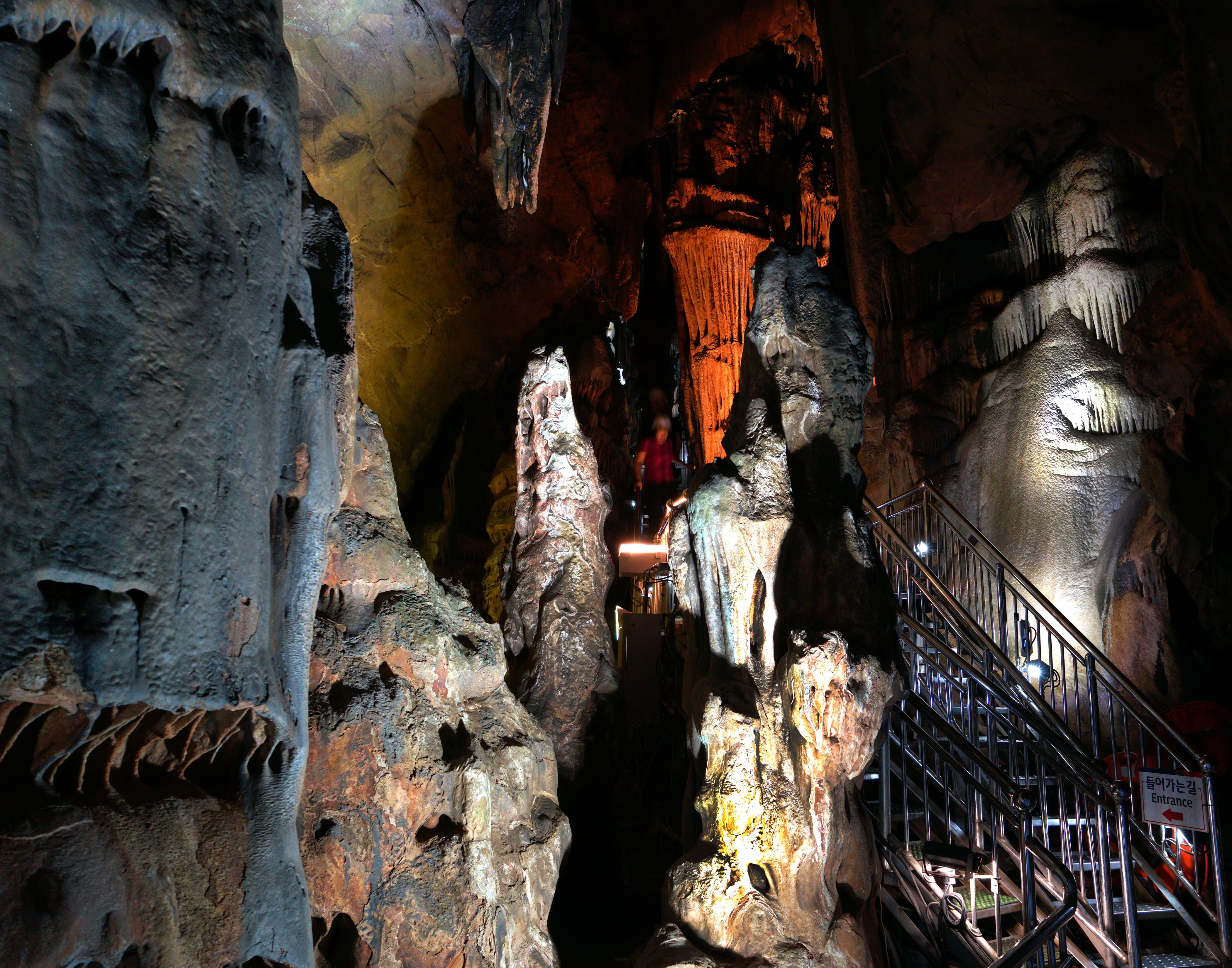
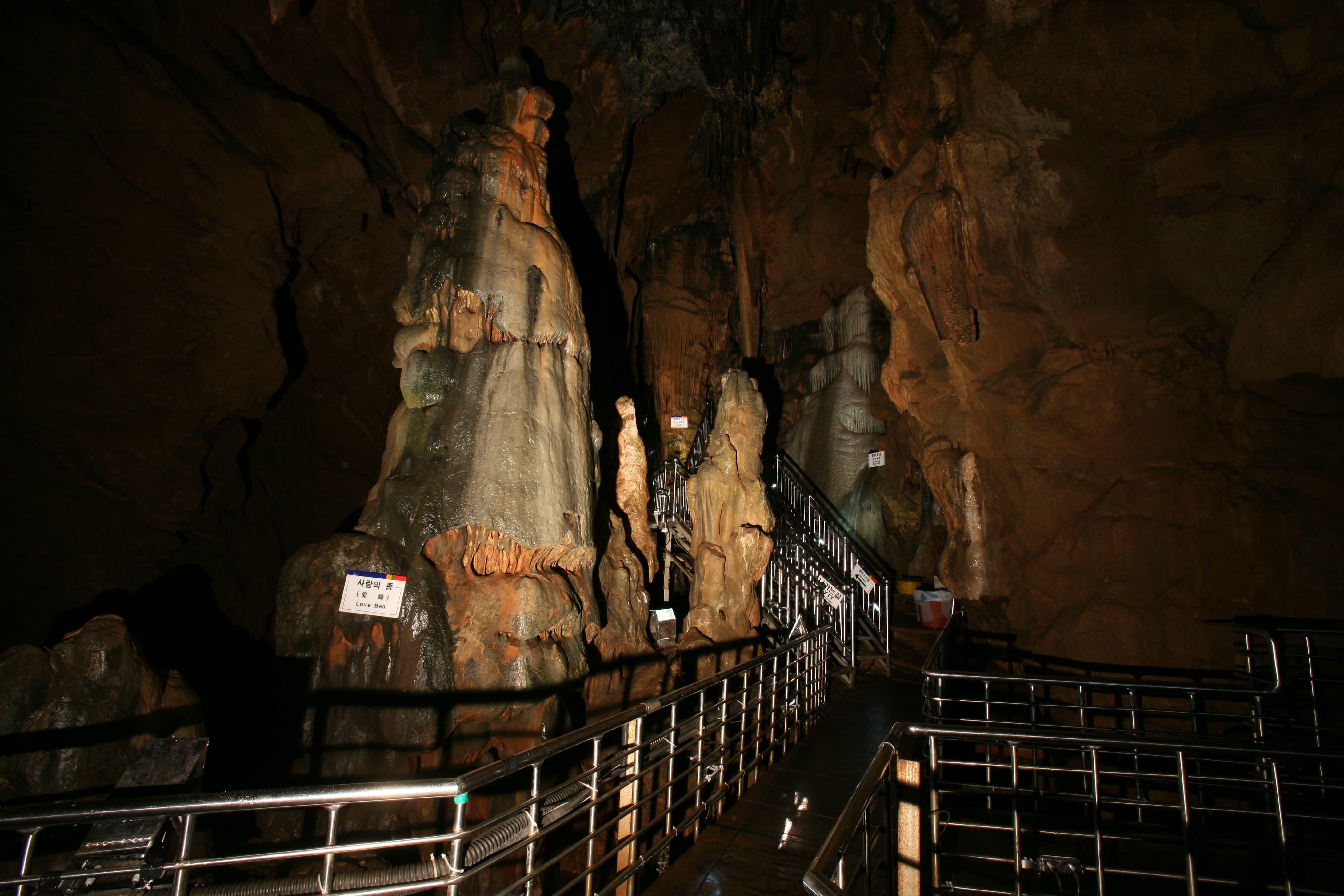
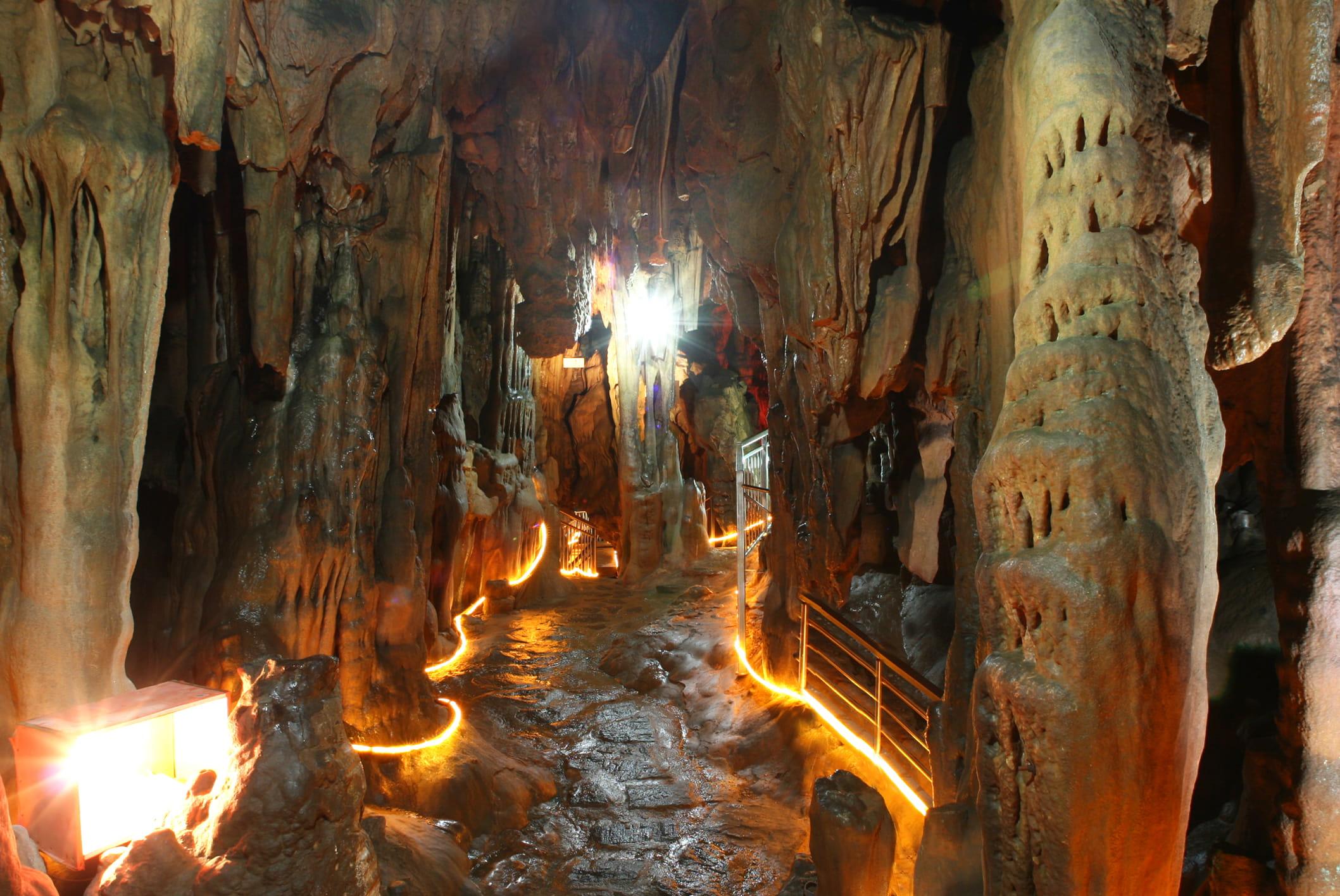
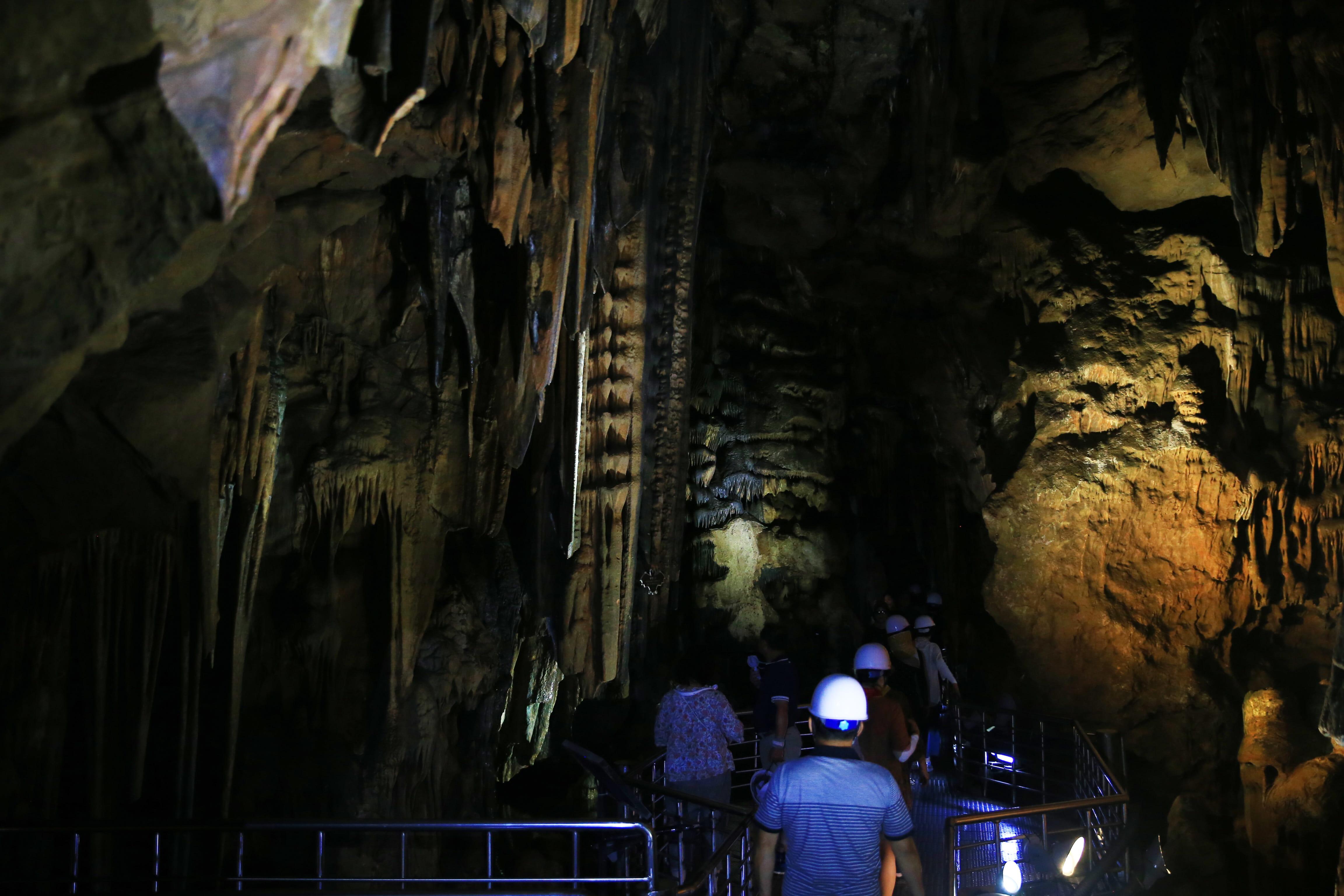
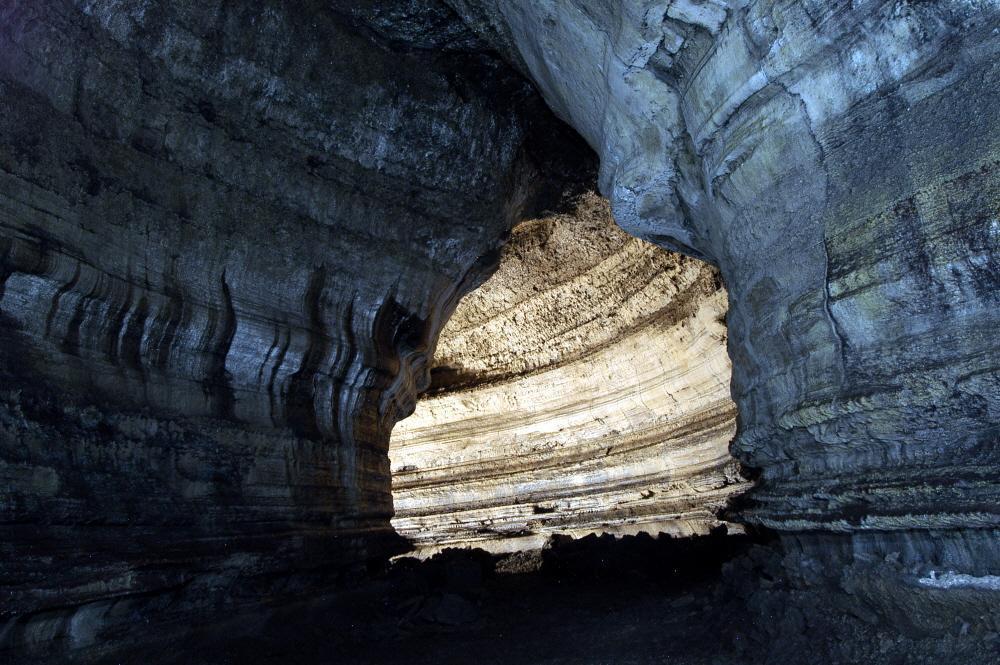
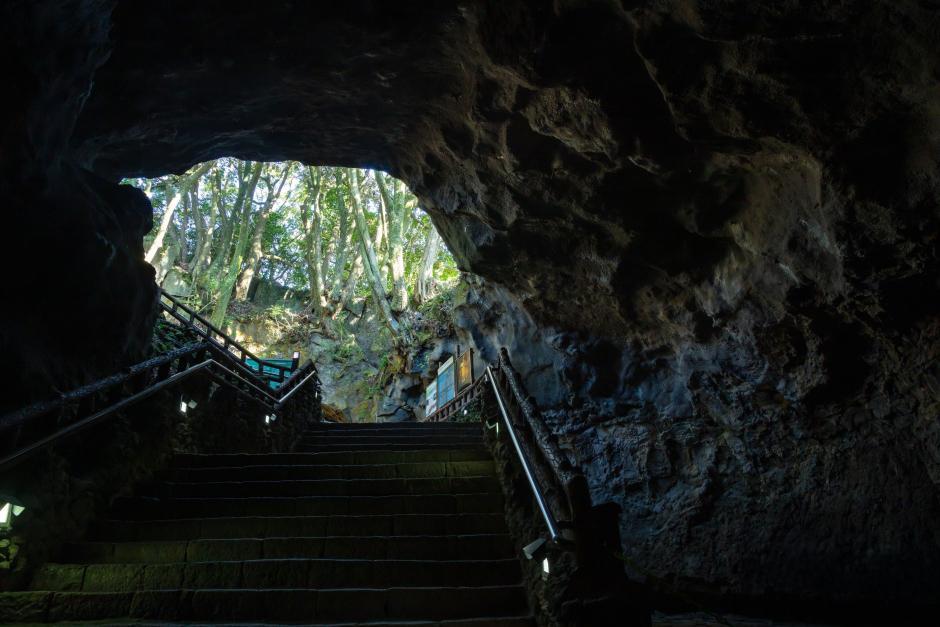
Manjanggul Lava Tube is part of the Geomunoreum Lava Tube System, which was inscribed as a UNESCO World Natural Heritage site in 2007. This system consists of Geomunoreum Lava Tube, Bengdwigul Cave, Utsanjeongul Cave, Bukoreumgul Cave, Daerimgul Cave, Manjanggul Lava Tube, Gimnyeonggul Cave, Yongcheondonggul Cave, and Dangcheomuldonggul Cave. It was formed when lava erupting from Geomunoreum flowed along the slope of the land toward the north-northeastern coastline, reaching a distance of about 14.6 kilometers. Geomunoreum, where the Jeju World Natural Heritage Center is located, is the source of the lava that formed Manjanggul and the other lava tubes in the system. Manjanggul Lava Tube is a single winding passage running in the direction of the lava flow. It has a three-level structure and measures about 7.4 kilometers in total length. The passage ranges from approximately three to 21 meters in width and from two to 23 meters in height, while the span between the tunnel ceiling and the surface of the ground above ranges from about three to 32 meters. These dimensions make it one of the world’s largest lava tubes. The cave’s name derives from Manjaengi Geomeol or Manjaengi Geomeori, the name of the place where Entrance 3 is located. Exploration of the cave was initiated in 1946 by Bu Jong-hyu, a teacher at Gimnyeong Elementary School, and part of the cave was opened to the public in 1967. Gimnyeonggul Cave was first designated as a Natural Monument in 1962, and Manjanggul was incorporated into that designation in 1970. Since then, the two caves have been designated and managed together. The entrance to a lava tube is often a “skylight” formed when part of the ceiling collapses. Manjanggul has three such skylights. Among them, the middle one, Entrance 2, is used as the visitor entrance, and a section running about one kilometer upstream toward Entrance 3 is open to the public. Along the visitor route are impressive lava formations, including lava flowline structures that show the direction and level of the lava flow, as well as lava stalactites, lava stalagmites, lava rafts, lava rolls, lava bridges, and ropy lava on the cave floor. Particularly remarkable is the lava column, which rises to a height of about 7.6 meters and is considered one of the largest of its kind in the world. It was formed during the final stage of the eruption when lava from the second-level passage flowed into the first-level passage, connecting the two. The end of this downward-flowing lava can be seen in the open section in the form of lava toes. Manjanggul Lava Tube is also Korea’s largest bat habitat. Around 12,000 to 13,000 bats live here, including the common Jeju horseshoe bat and the long-fingered bat. However, they mainly inhabit sections that are closed to the public, so ordinary visitors are unlikely to encounter them. As the most famous lava tube in Jeju, Manjanggul is one of the island’s most renowned lava cave attractions. It was closed at the end of 2023 for safety inspections following a rockfall, but reopened in May 2026 after improvements to the visitor path were completed.
-
Address
182 Manjanggul-gil, Gujwa-eup, Jeju-si, Jeju Special Self-Governing Province
-
Contact
064-710-7903 (visitor inquiries) / 064-710-3945 (Geopark Office)
-
Visiting Hours
09:00–18:00 (last admission 17:10); free docent tours 09:00–17:00 (on-site registration) · Closed the first Wednesday of each month
-
Stamp
Manjanggul Lava Tube Information Center
-
Admission Fee
Paid (varies by age; see website)
-
Website
-
Directions
From Jeju International Airport: Bus 101 from "Jeju Int'l Airport 2 (Ilju-dong-ro/Rd. 516)" stop → Gimnyeong Transfer Stop (Gimnyeong Elem. School), transfer to Bus 201 → Manjanggul-ipgu stop, transfer to Bus 711-1/711-2 → Manjanggul stop → 4-min walk. From Jeju Port: Bus 415 from Jeju Port Coastal Passenger Terminal → Donggwangyang, transfer to Bus 201 → Gimnyeong-ri, transfer to Bus 711-2 → Manjanggul stop → 3-min walk