Korean Peninsula Dinosaur Route
Korean Peninsula Dinosaur Route
Cretaceous Time Preserved in the Rock Layers — Goseong · Mokpo · Yeosu · Jinju · Haenam · Hwasun
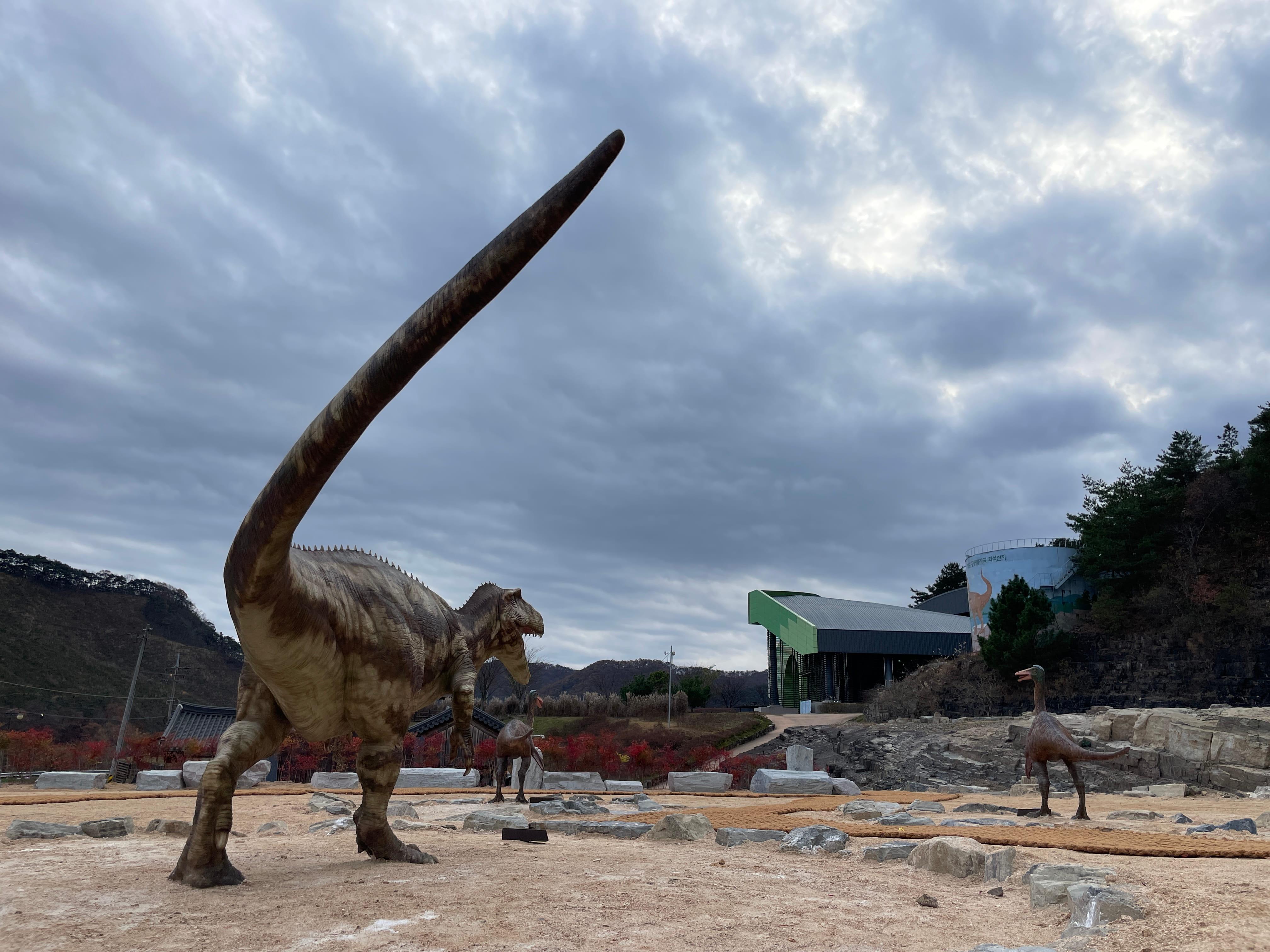
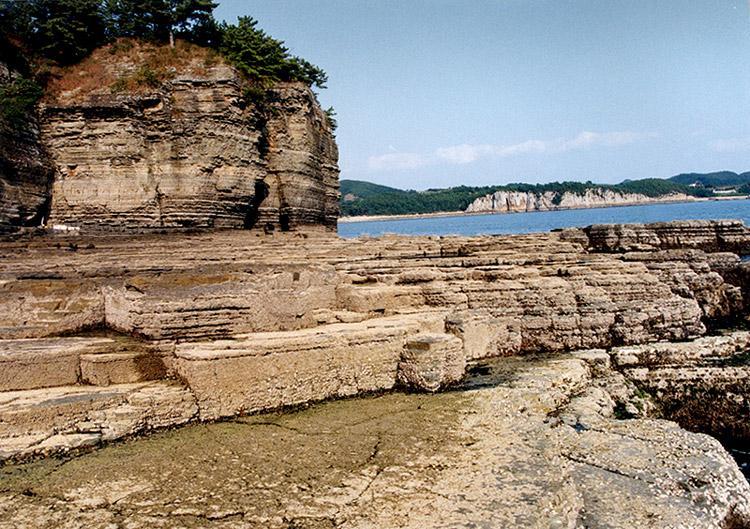
Around 100 million years ago, during the Cretaceous Period, dinosaurs lived along the southern coast of the Korean Peninsula.
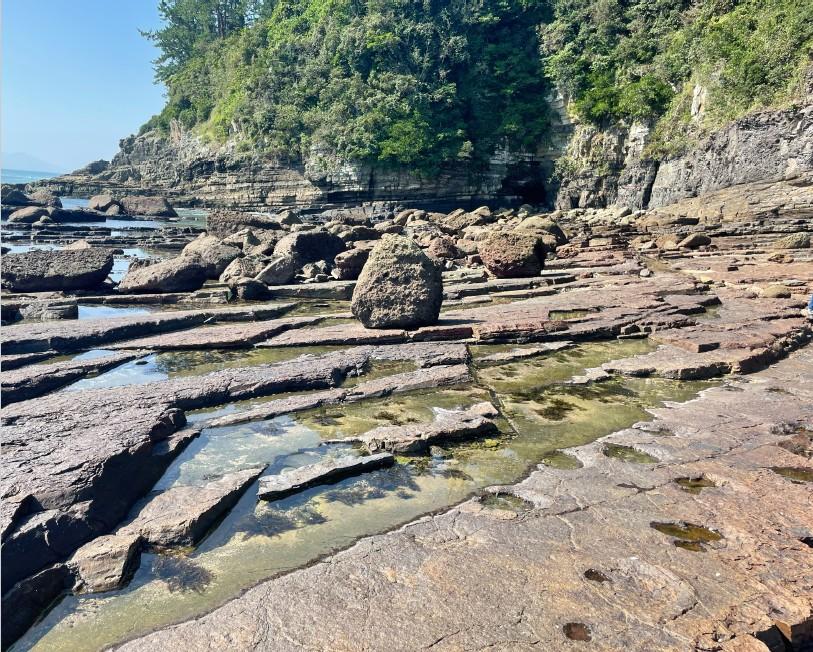
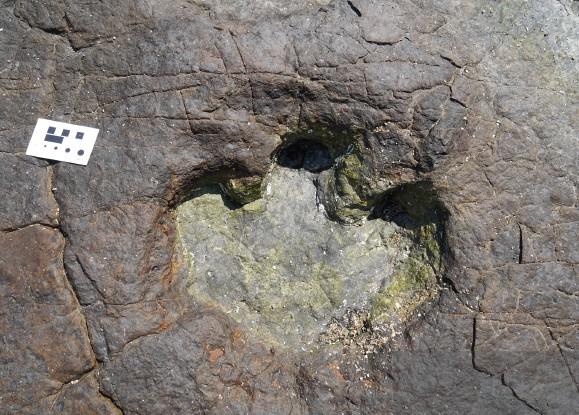
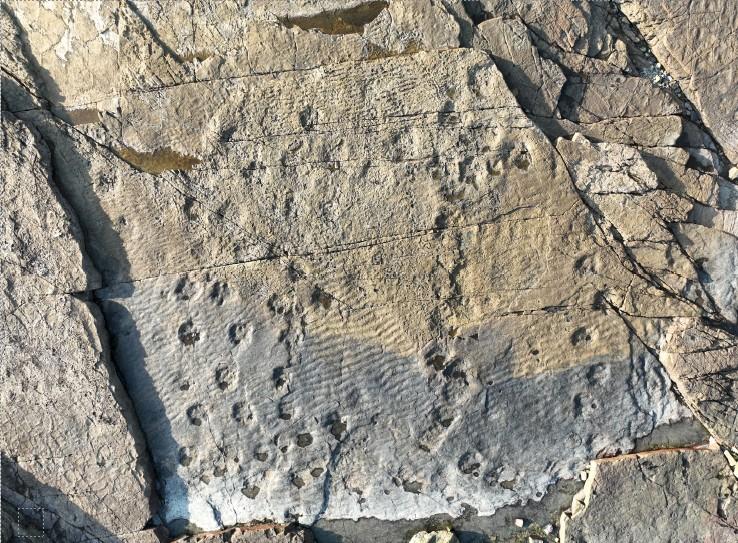
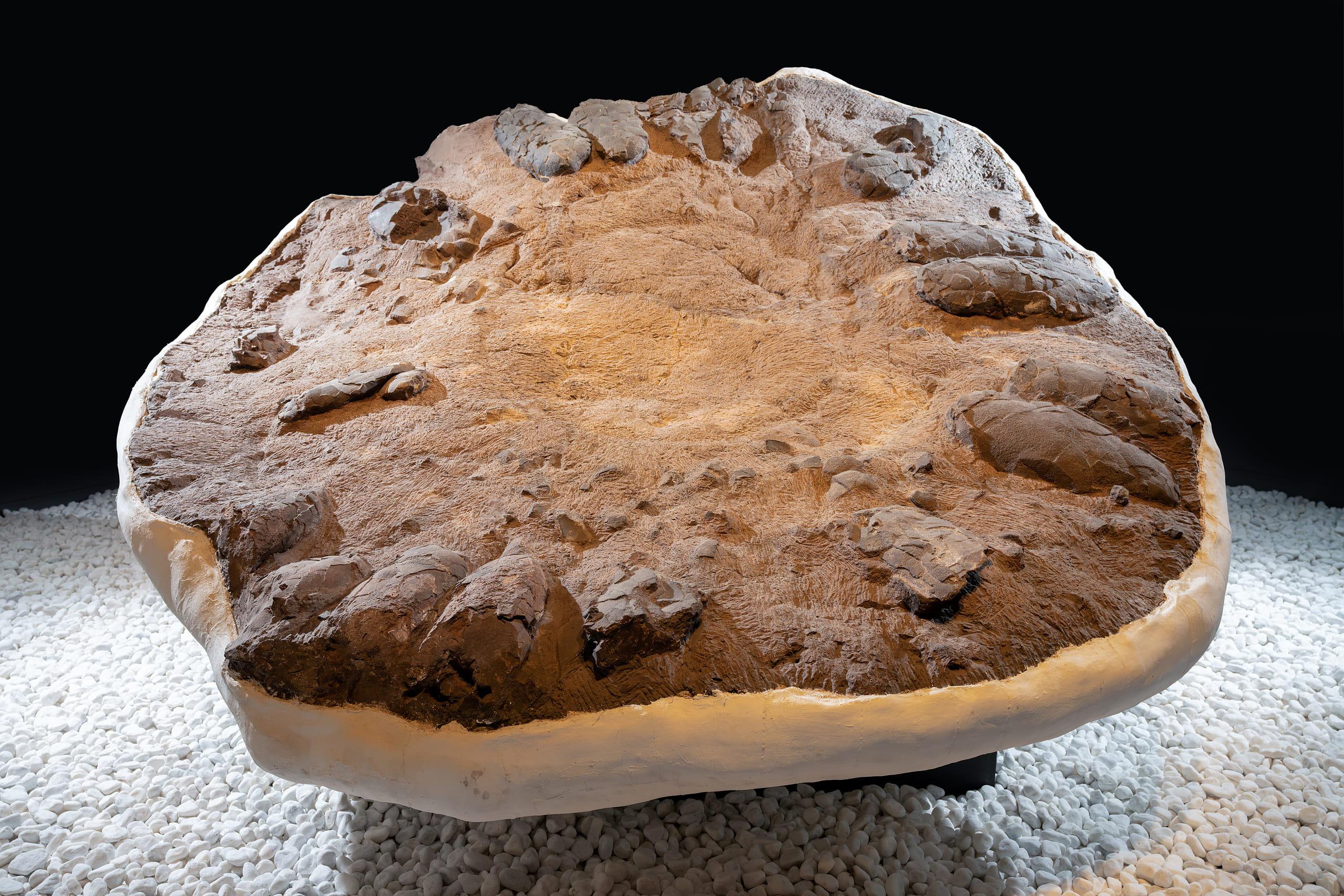
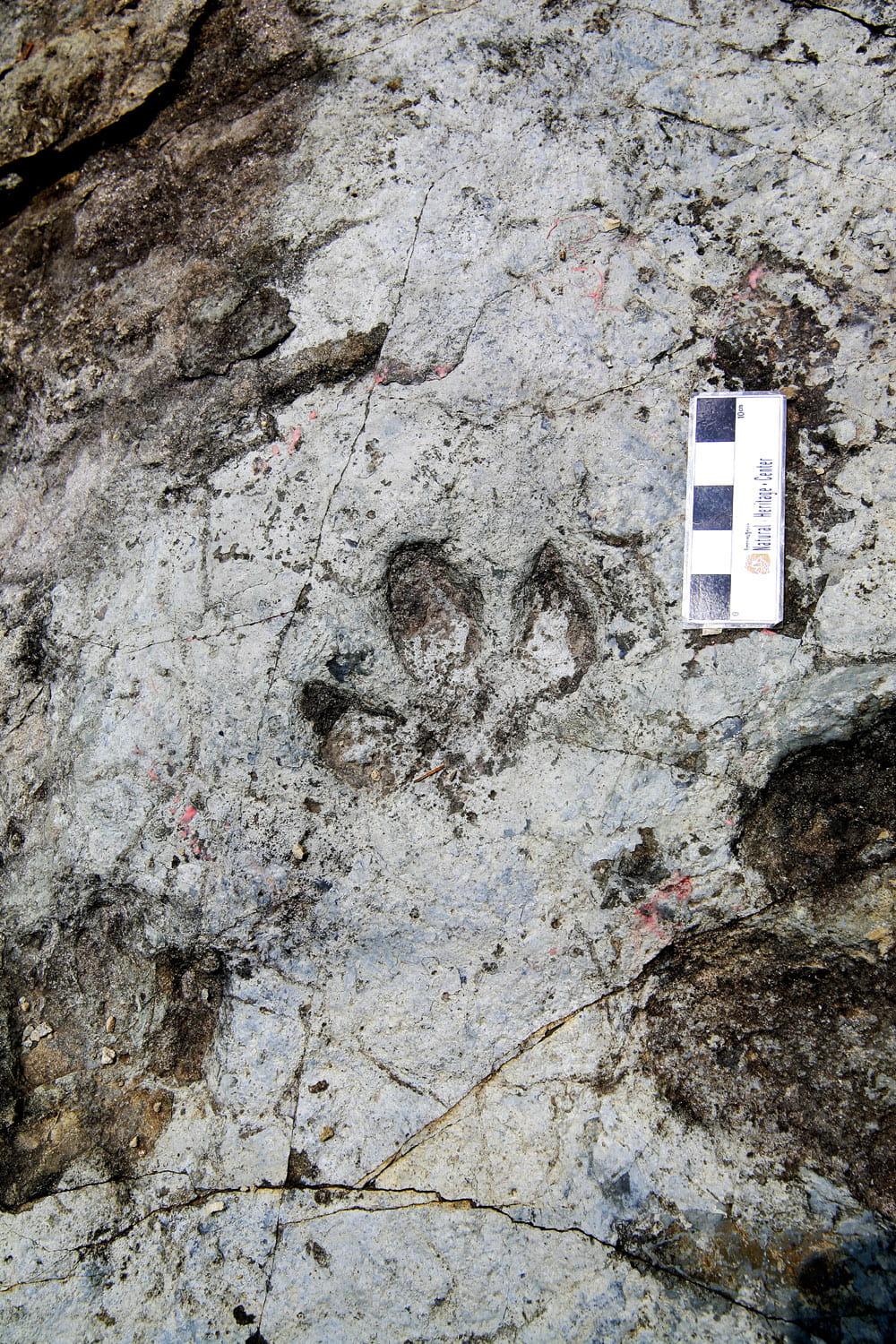
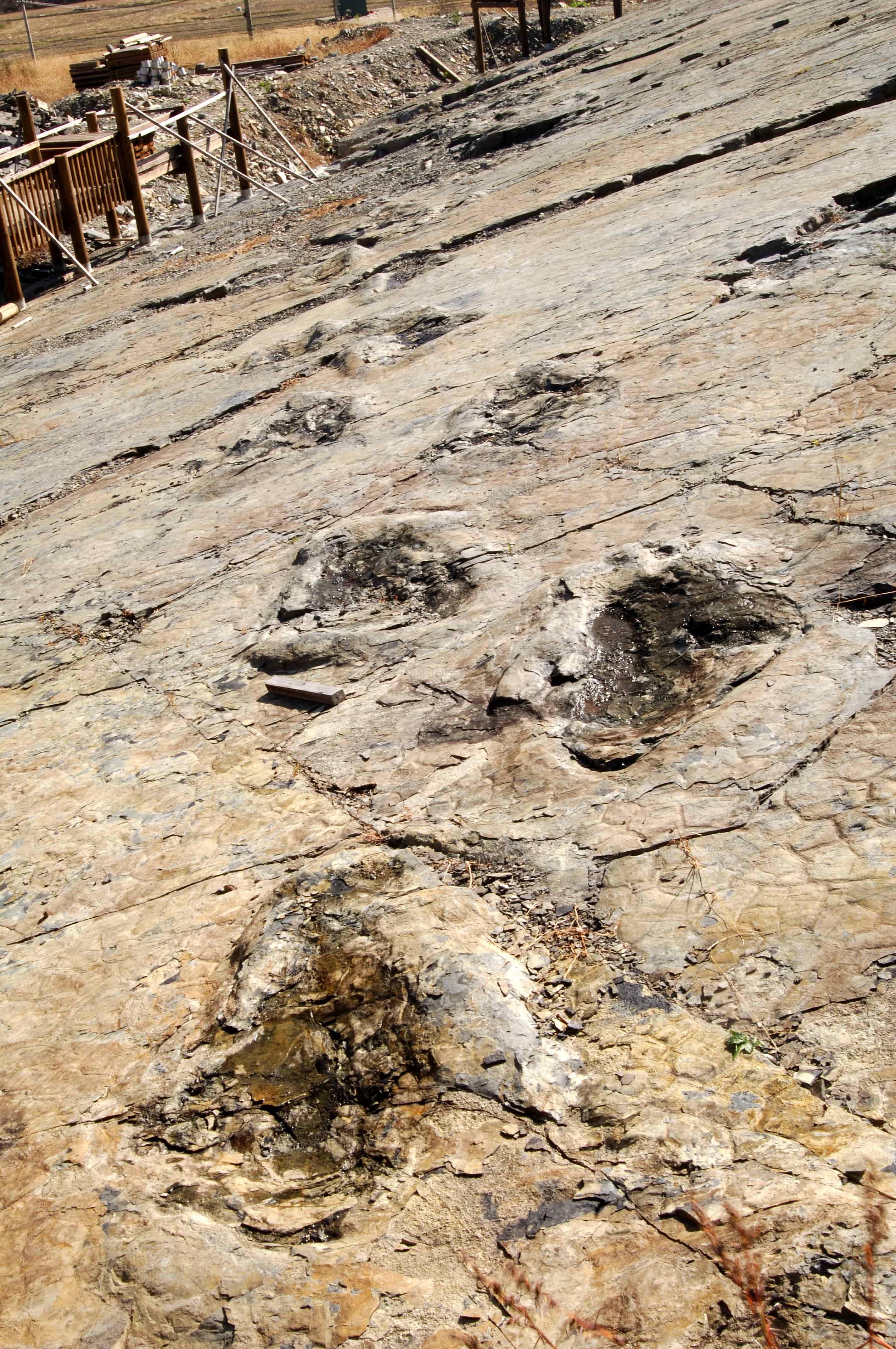
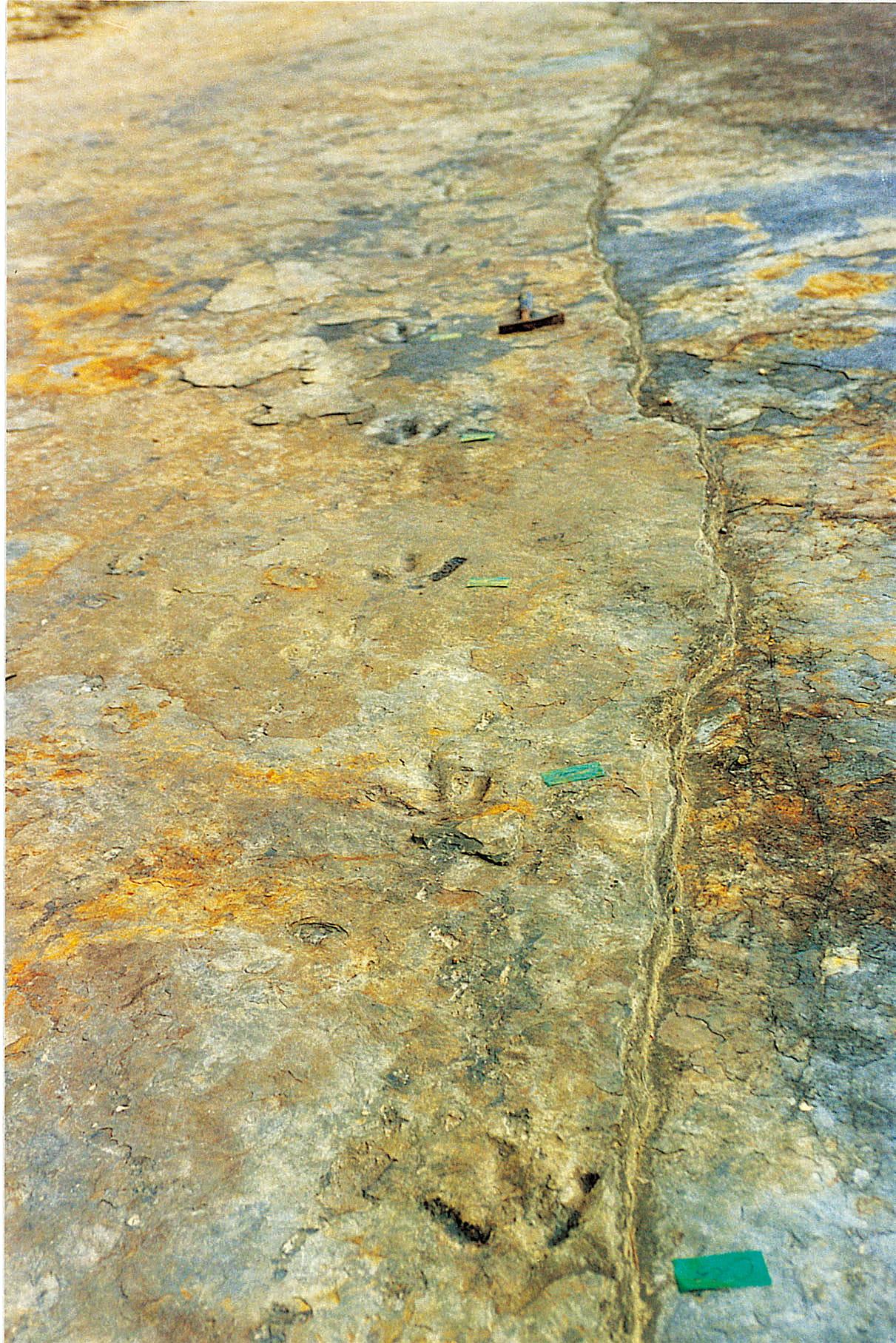
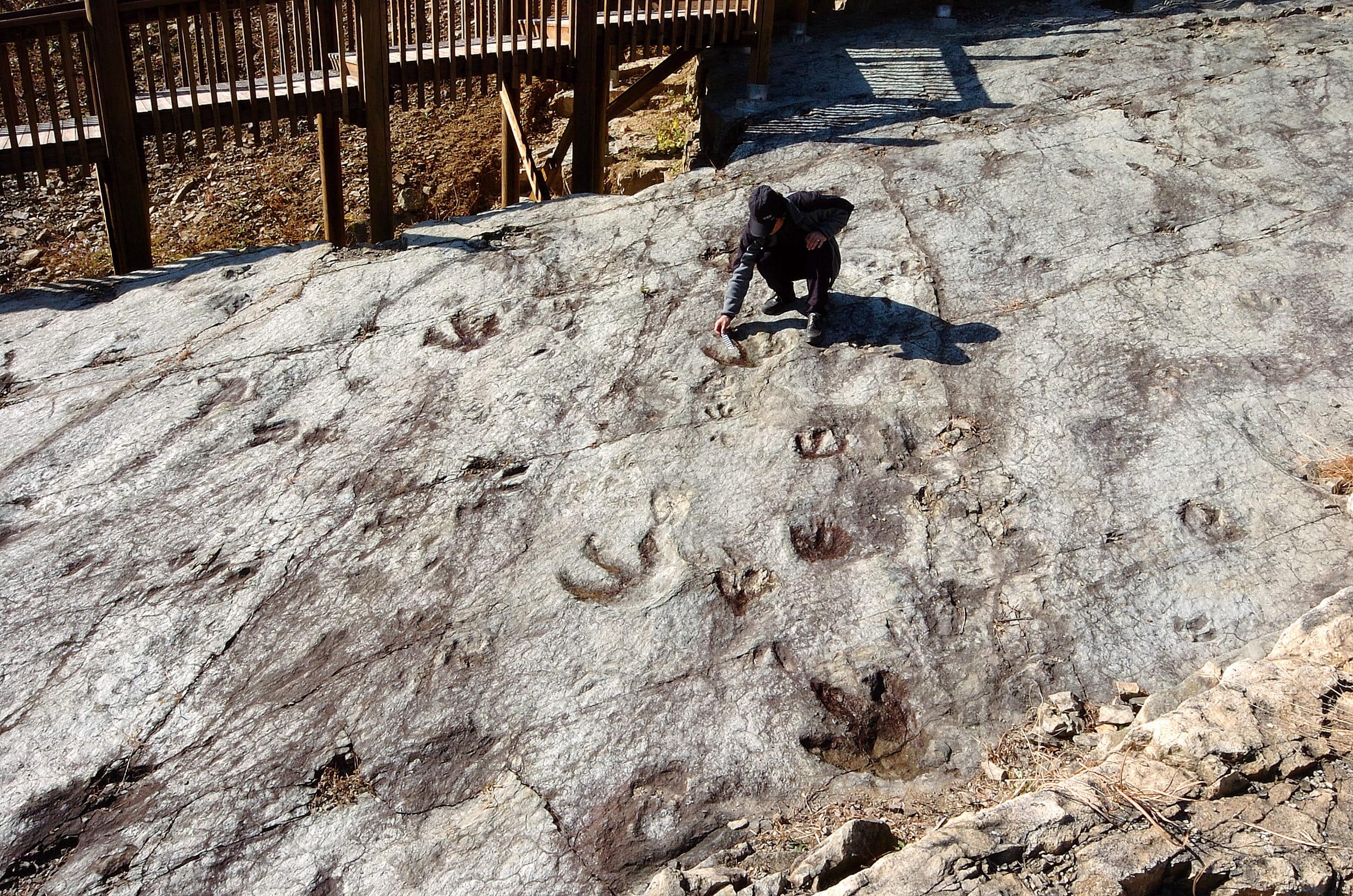
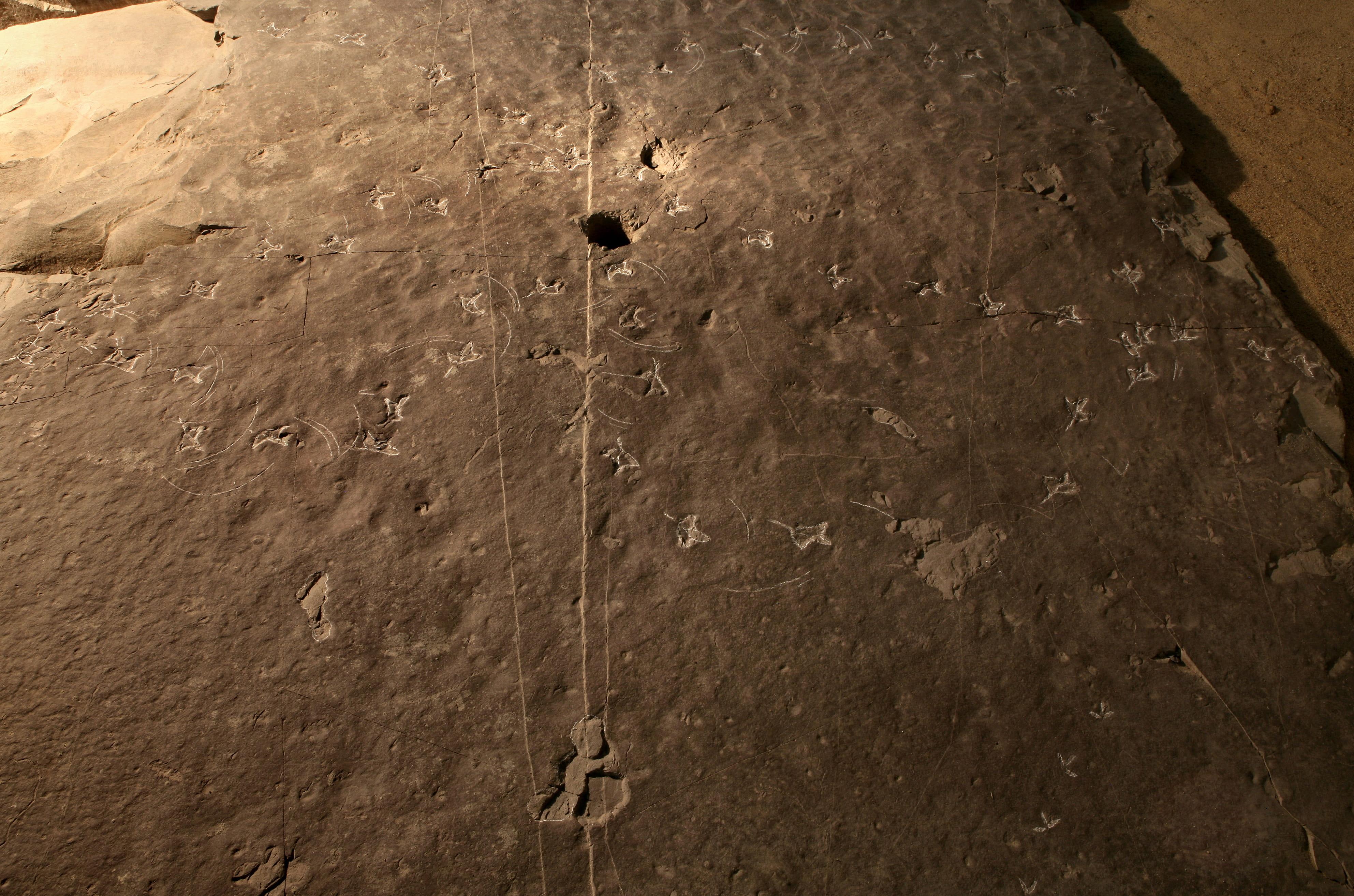
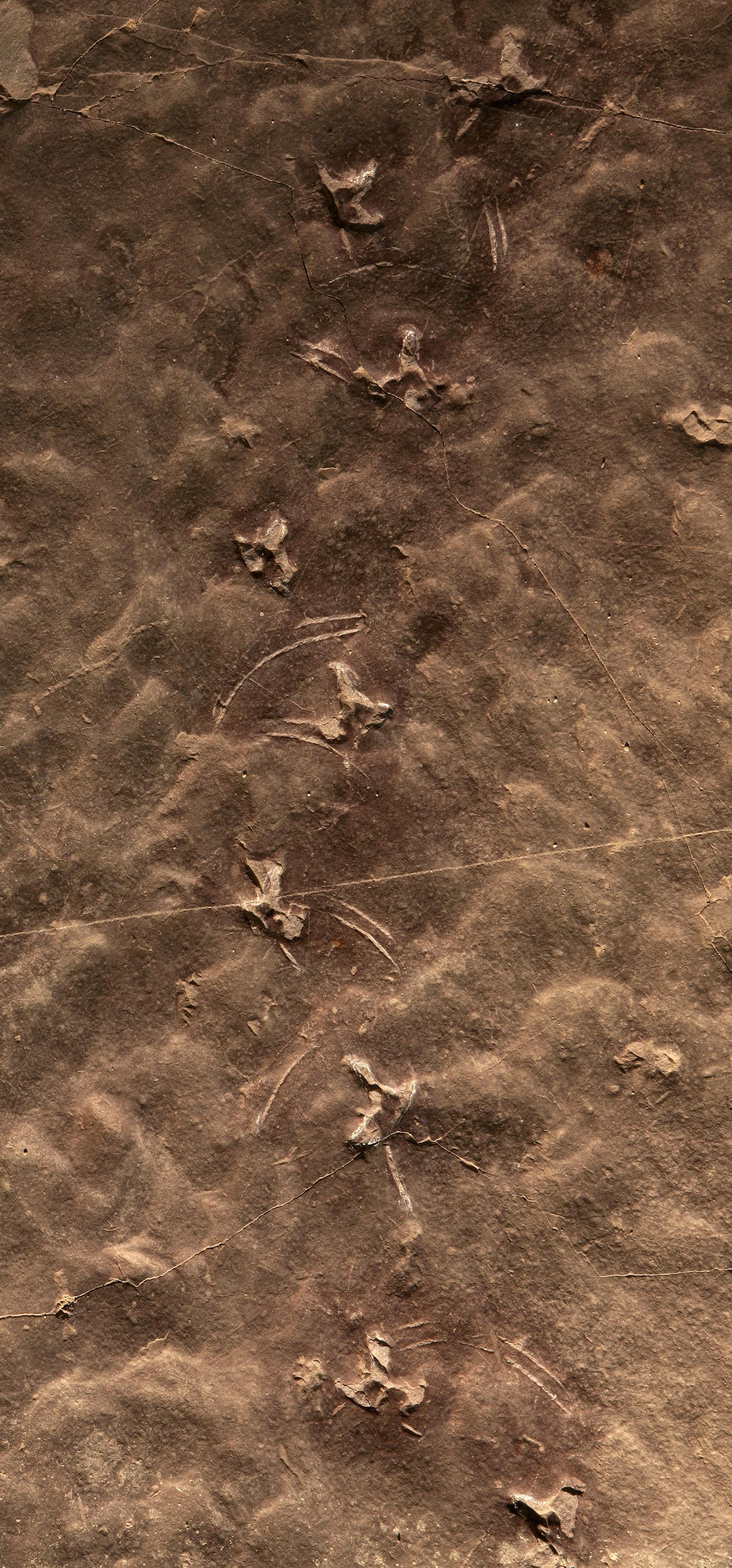
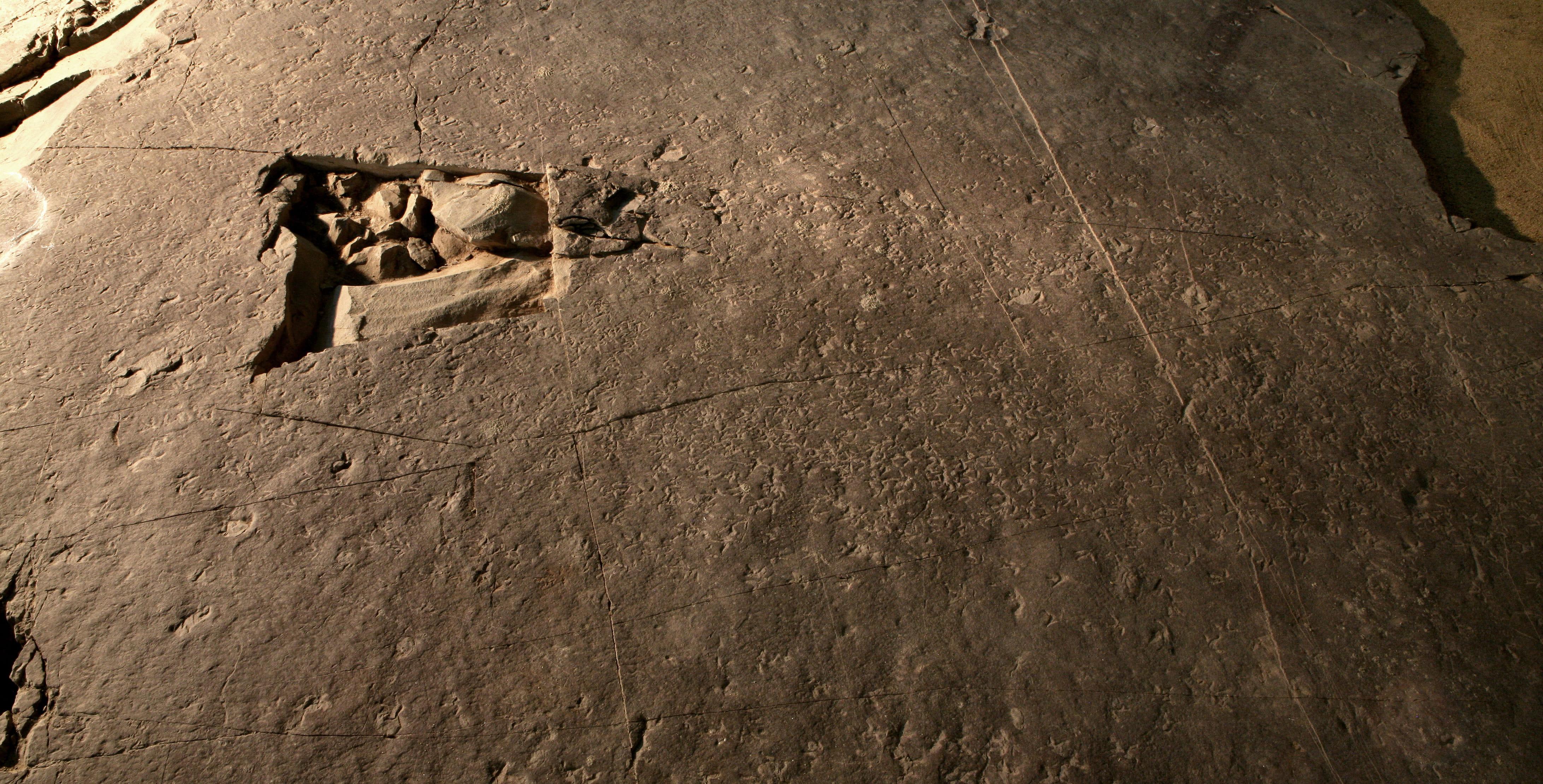
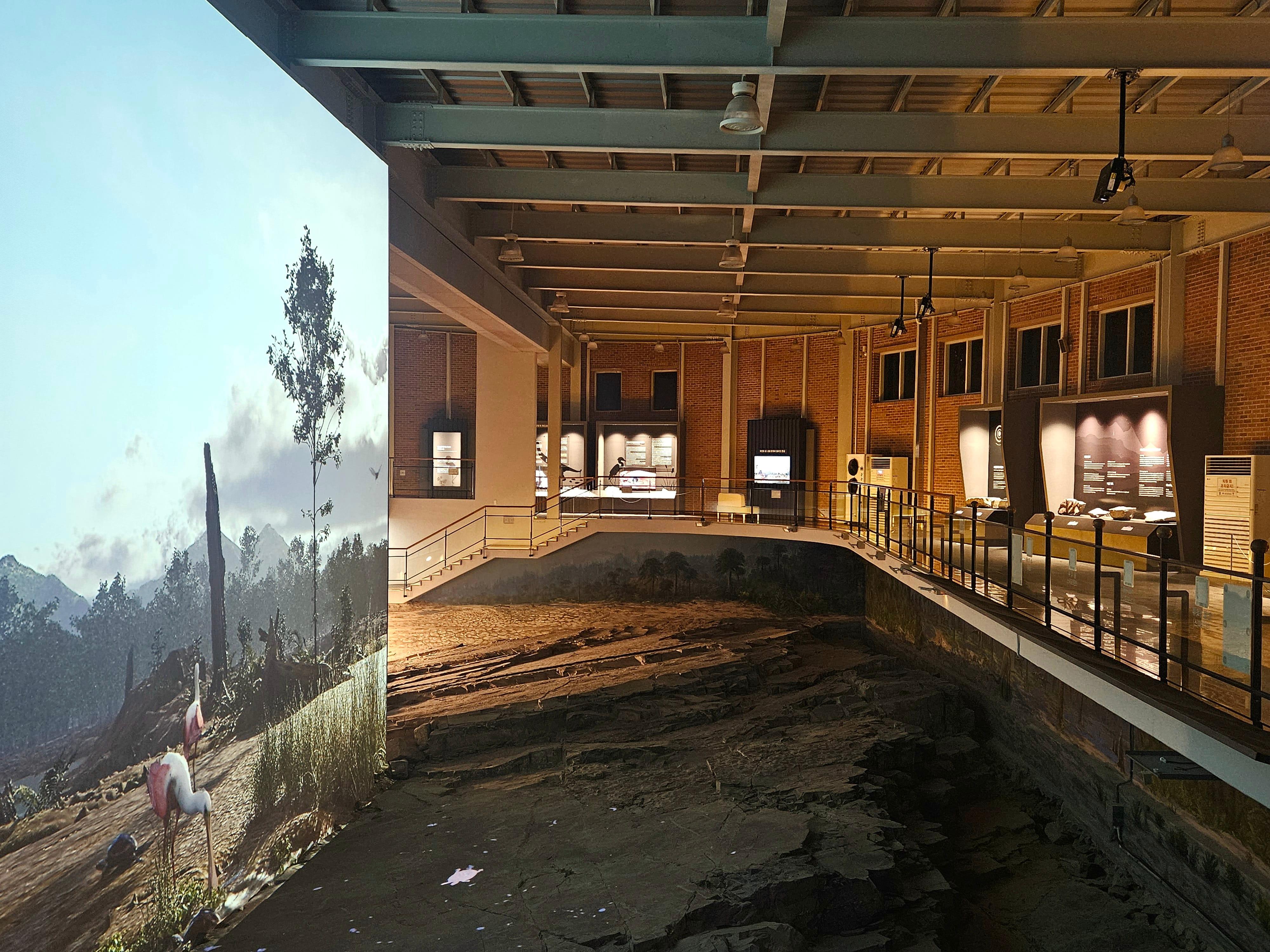
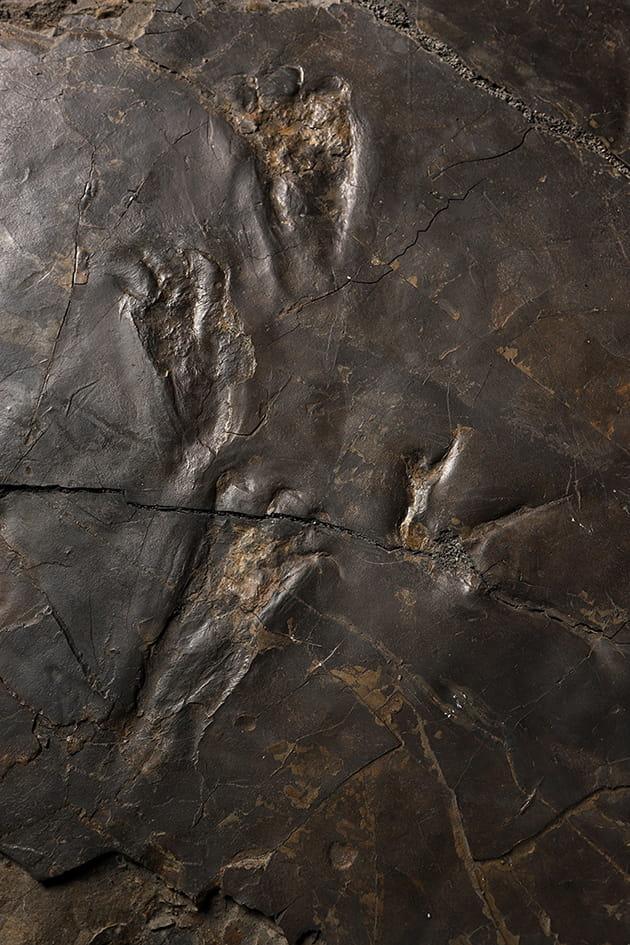
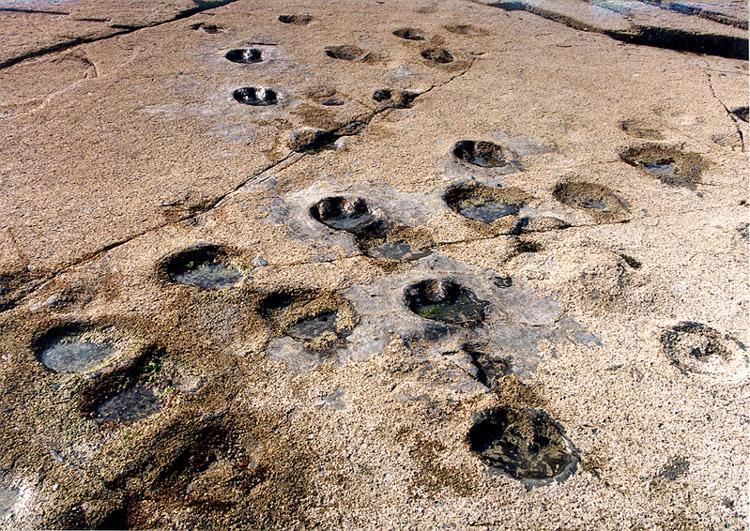
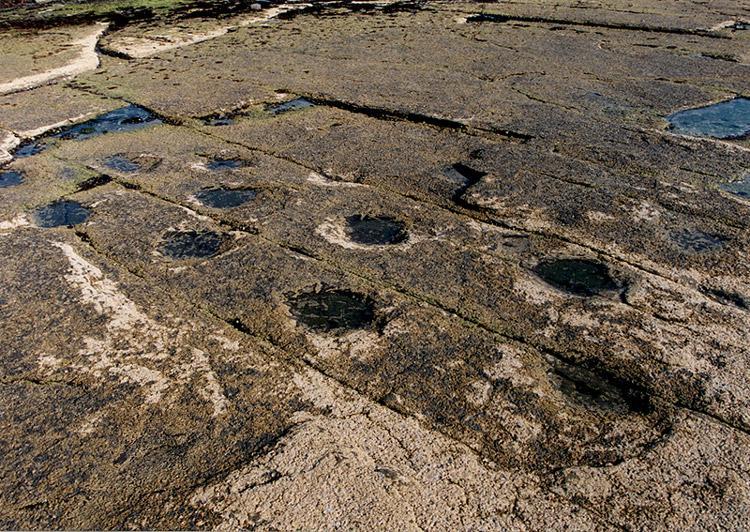
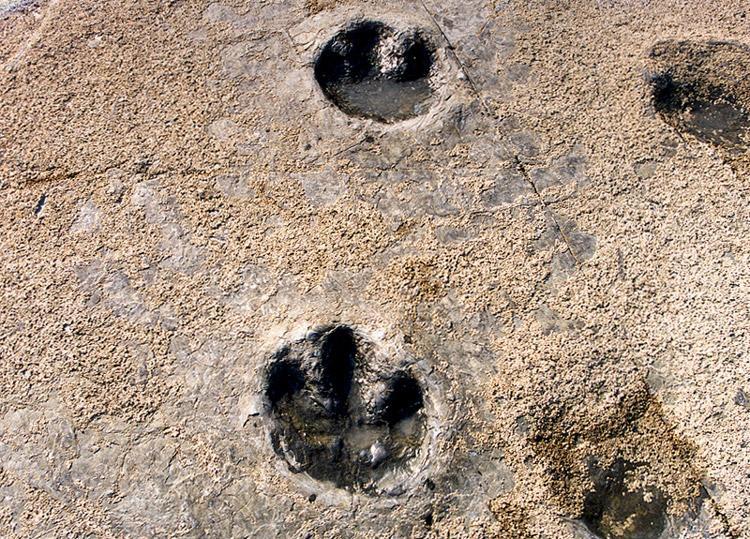
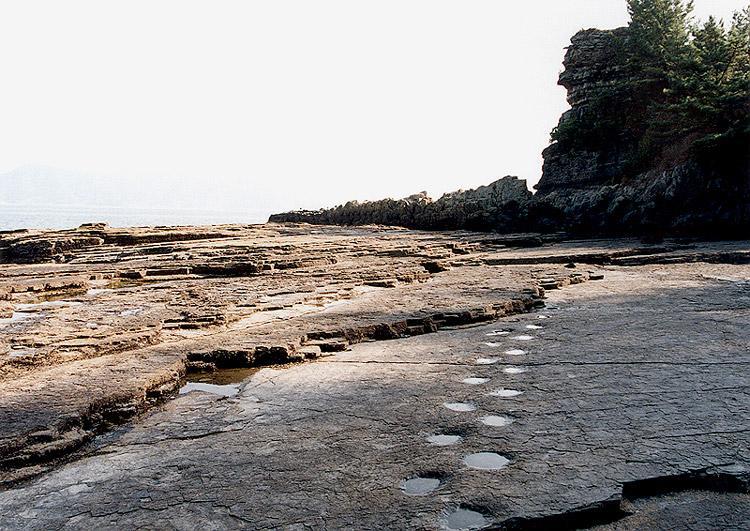
Their footprints, as they roamed through various environments such as lakes, rivers, and coastal areas, gradually hardened into rock over time. Today, these traces provide a vivid record of the Cretaceous ecosystem.
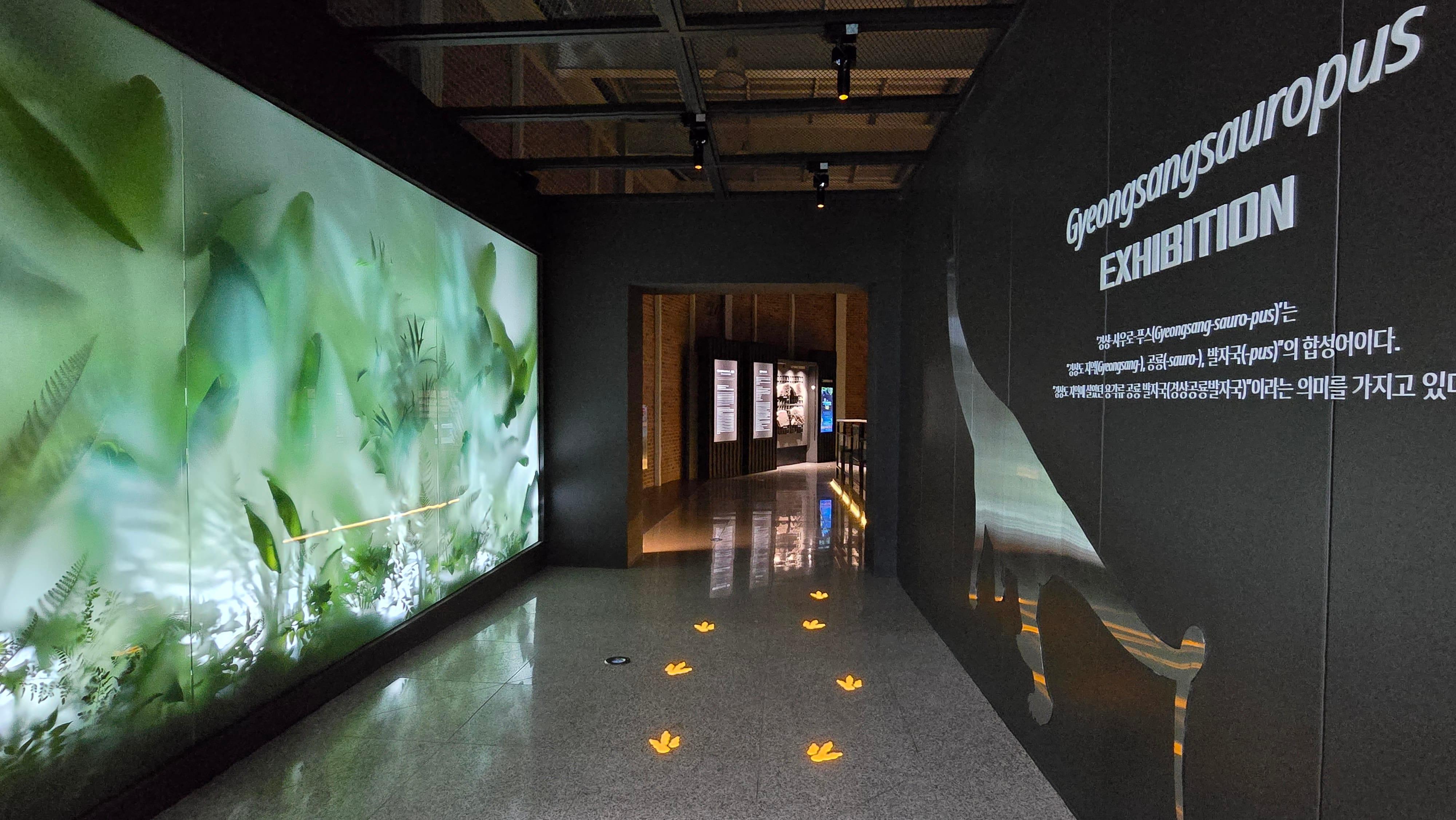
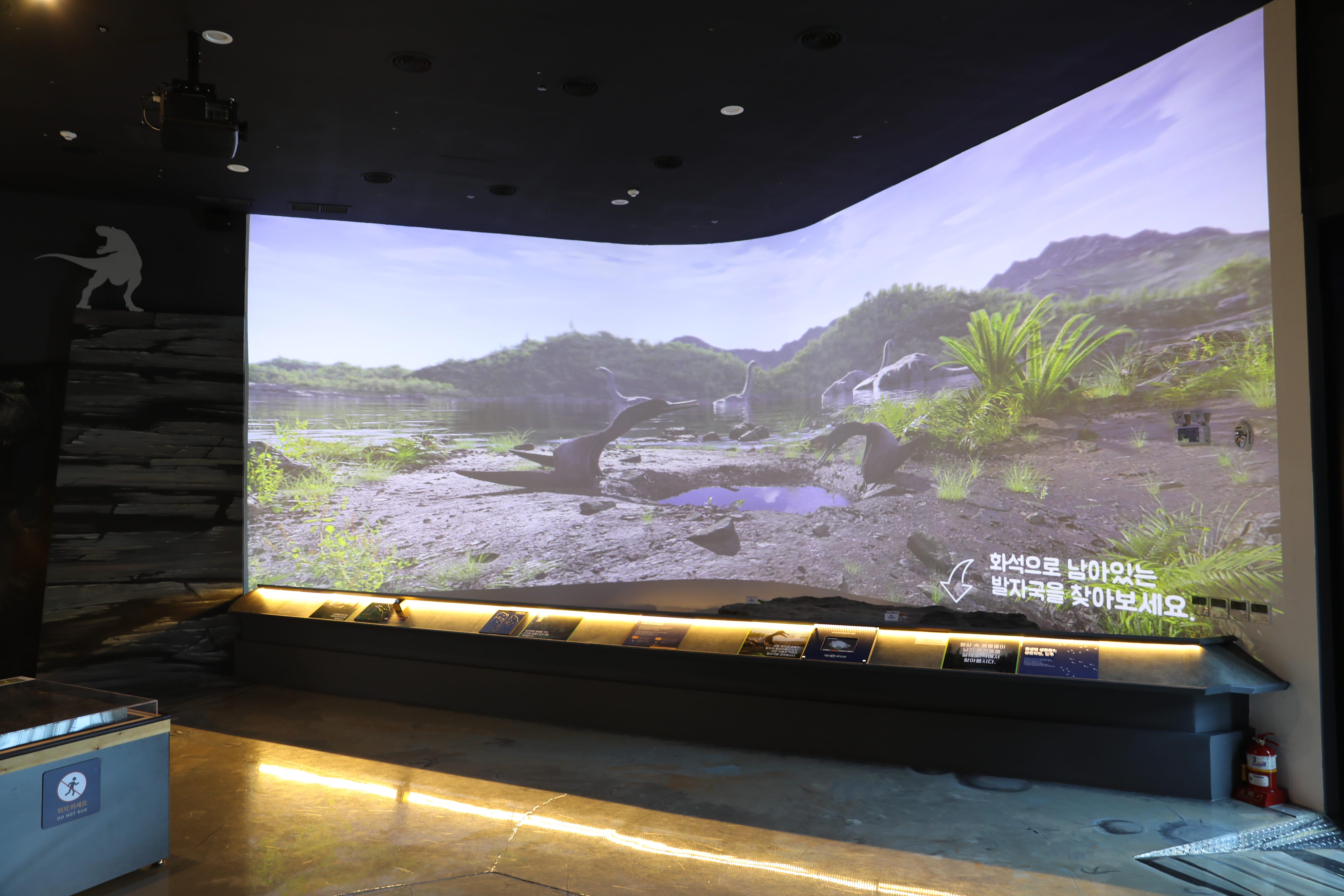
The sites contain a wide range of fossils, from the large footprints of sauropods to fine trackways left by smaller dinosaurs. Traces of pterosaurs and early birds have also been discovered alongside those of dinosaurs.
Footprints can reveal what kinds of animals passed through an area and how they moved, providing important clues to their behavior and ecology.
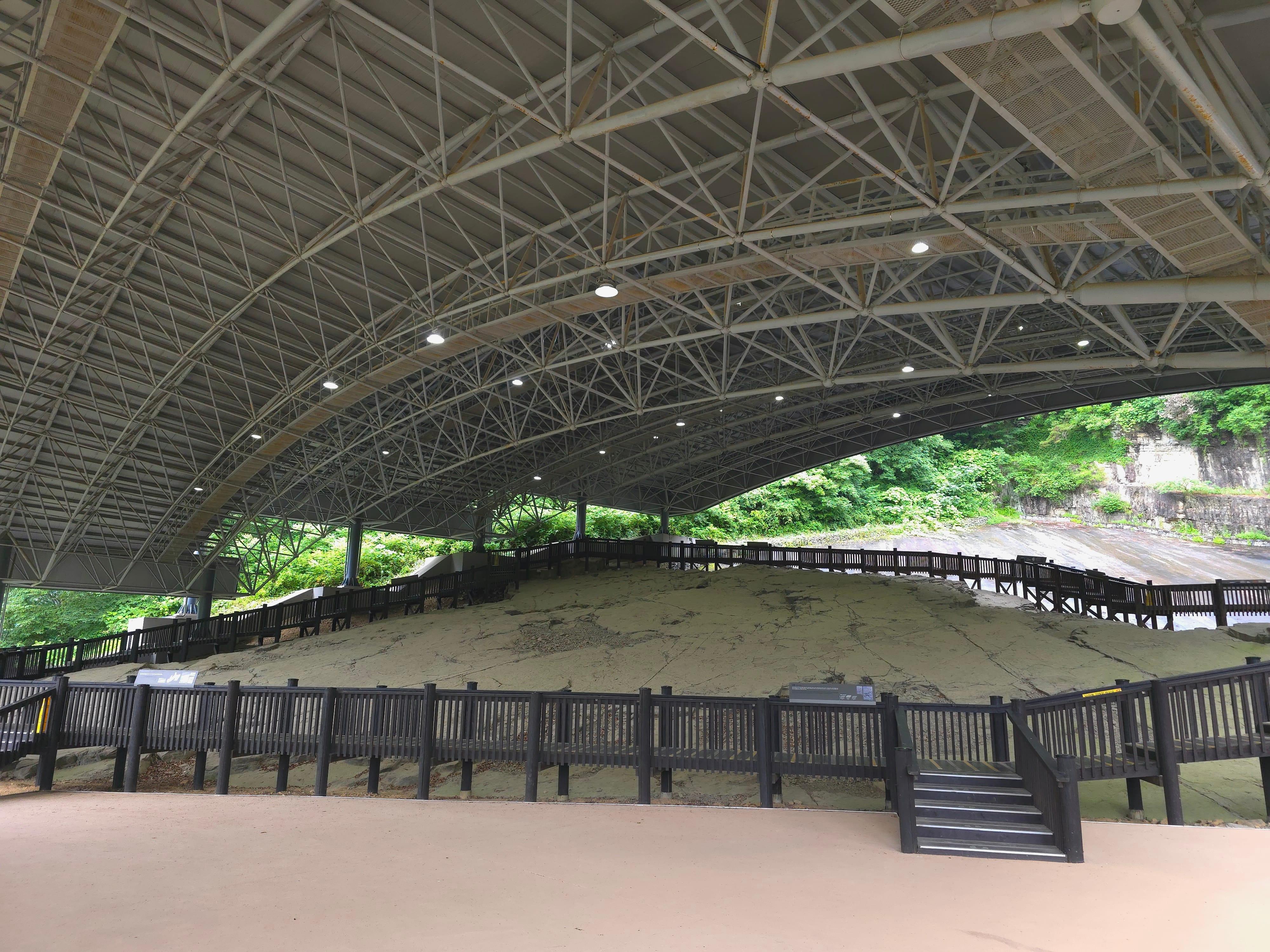
Recognized as fossil sites of global significance, the dinosaur heritage sites along Korea’s southern coast preserve traces of Mesozoic life within the natural record of the rock layers.
Following these footprints offers a unique journey through time, bringing visitors face to face with the movement of life on the Korean Peninsula from 100 million years ago.
Korean Peninsula Dinosaur Route Visit Routes
-
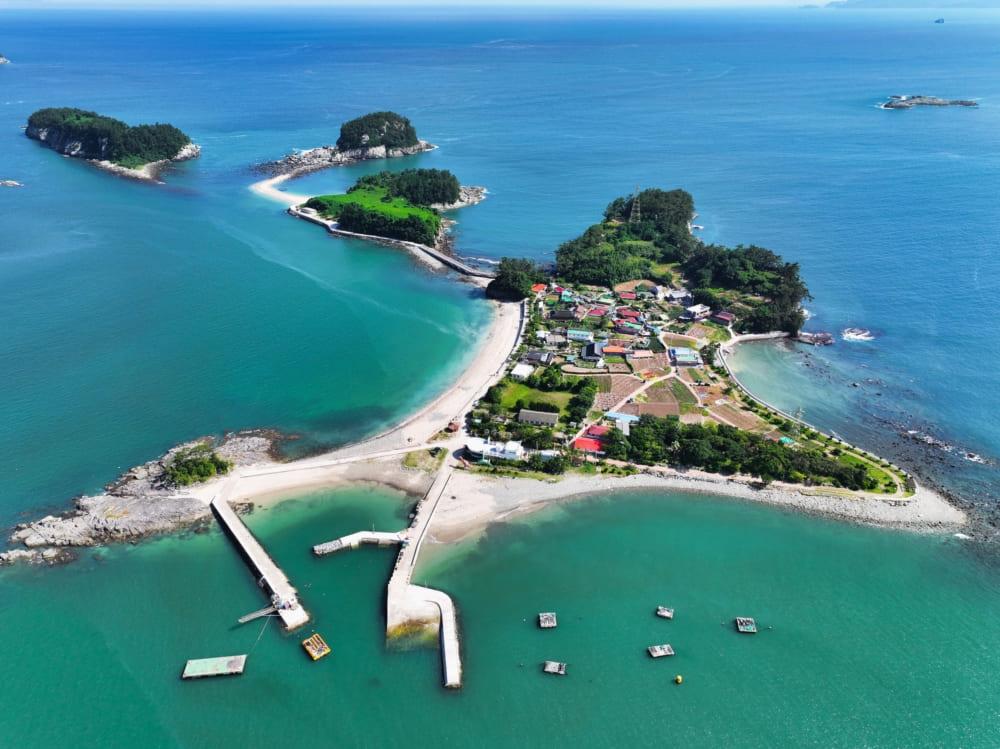
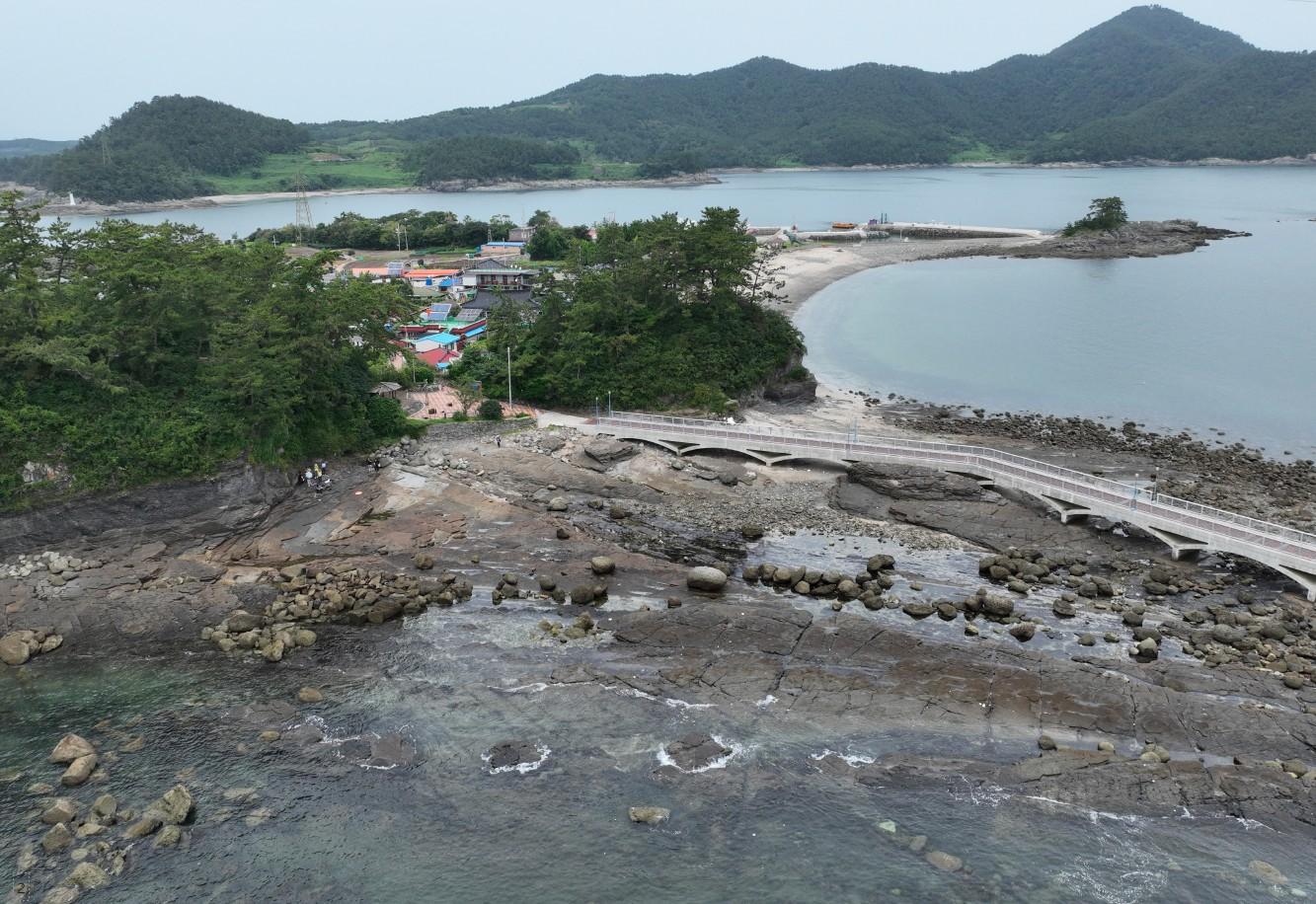
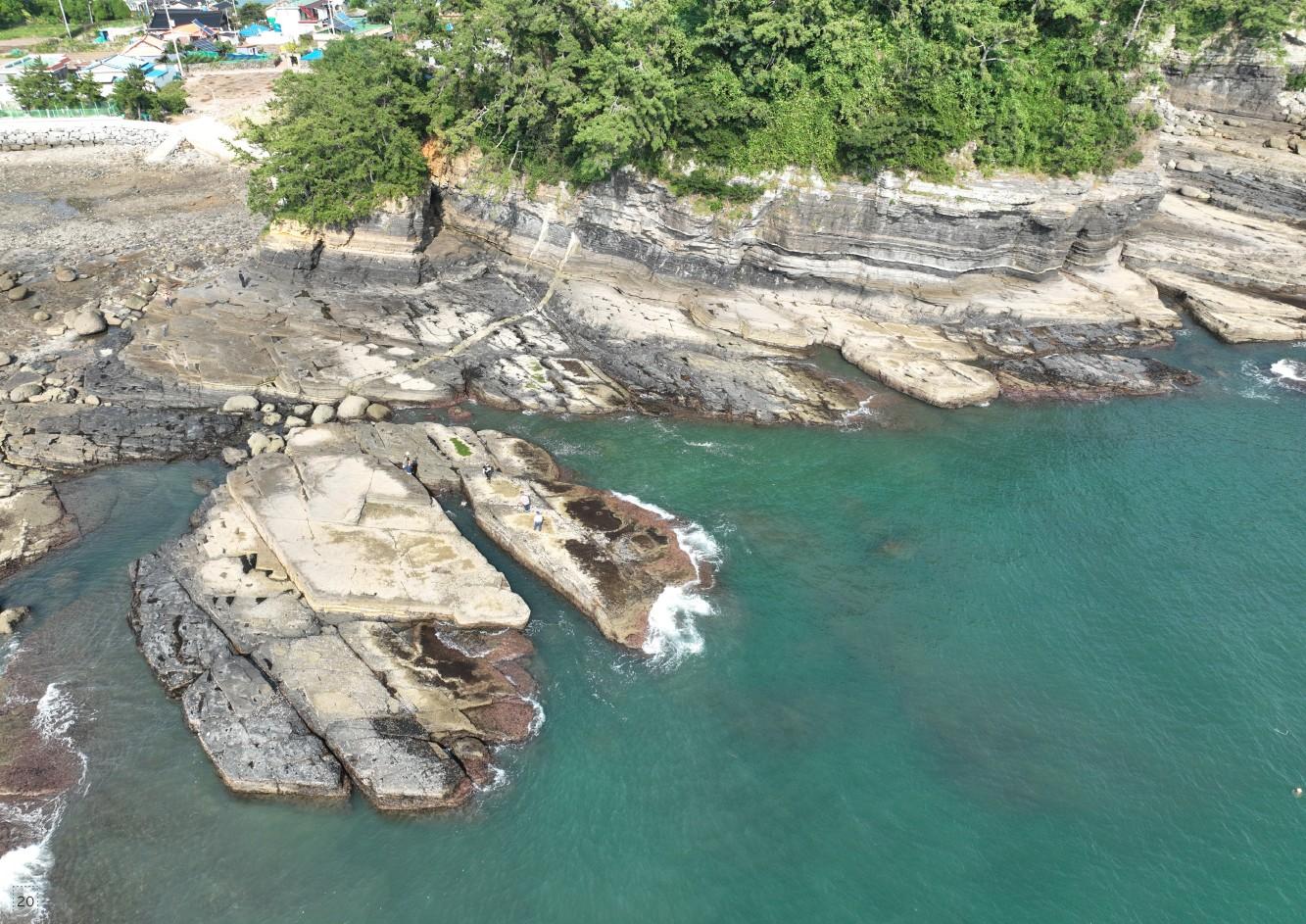
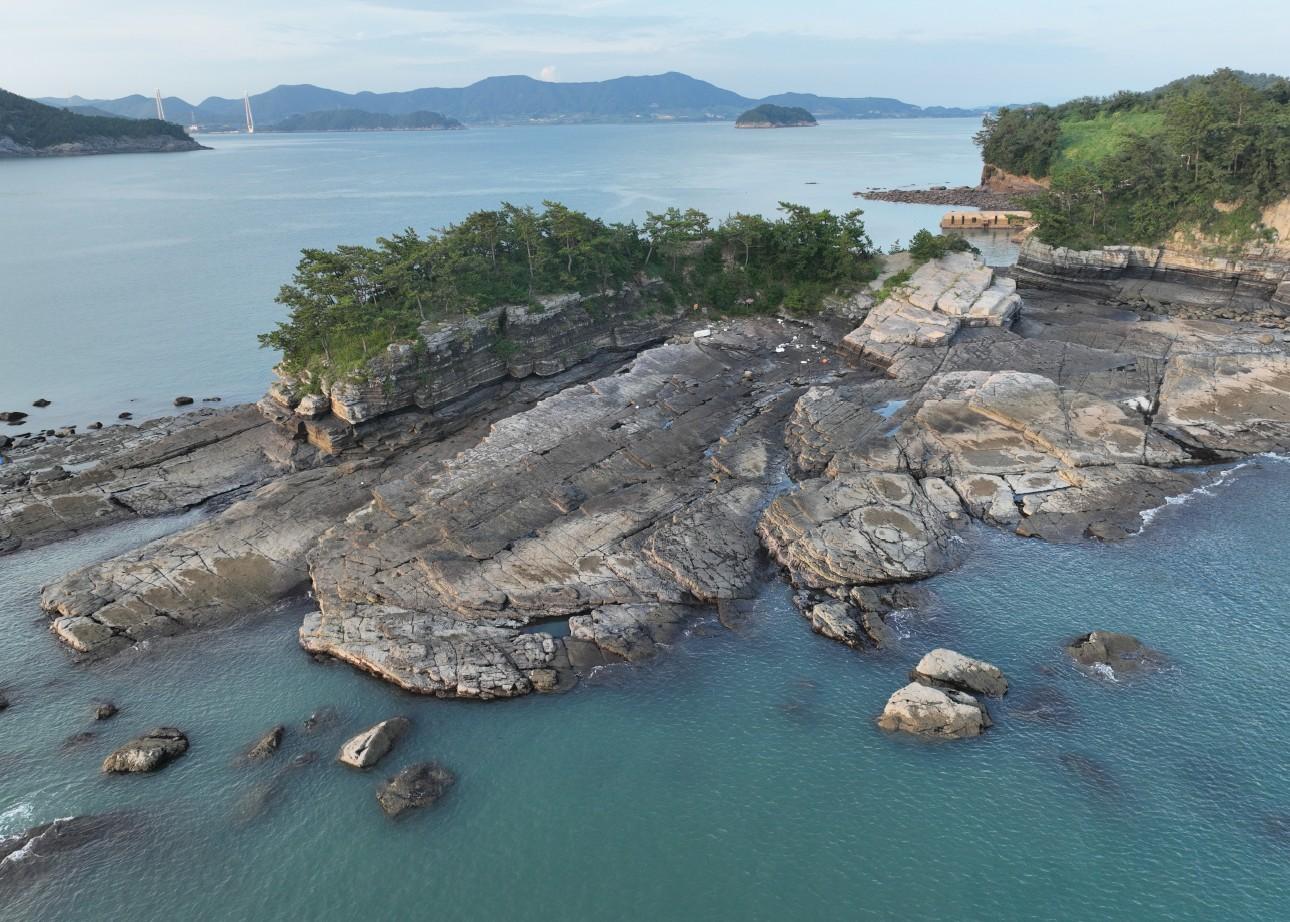
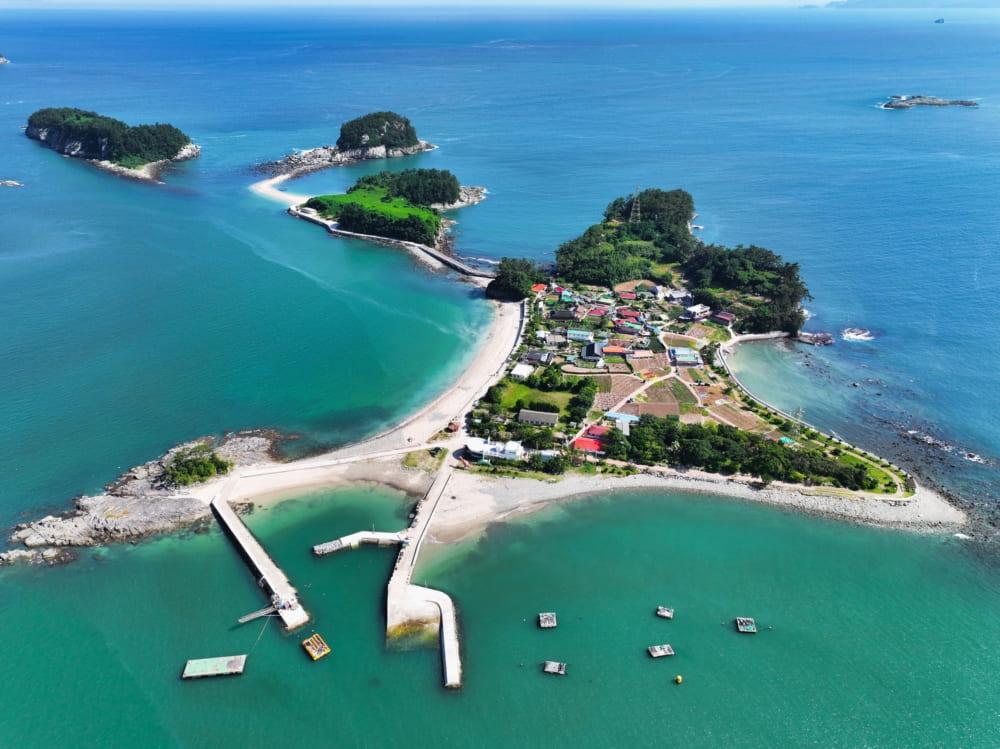 Dinosaur Tracksite in Nangdo-ri, Yeosu
-
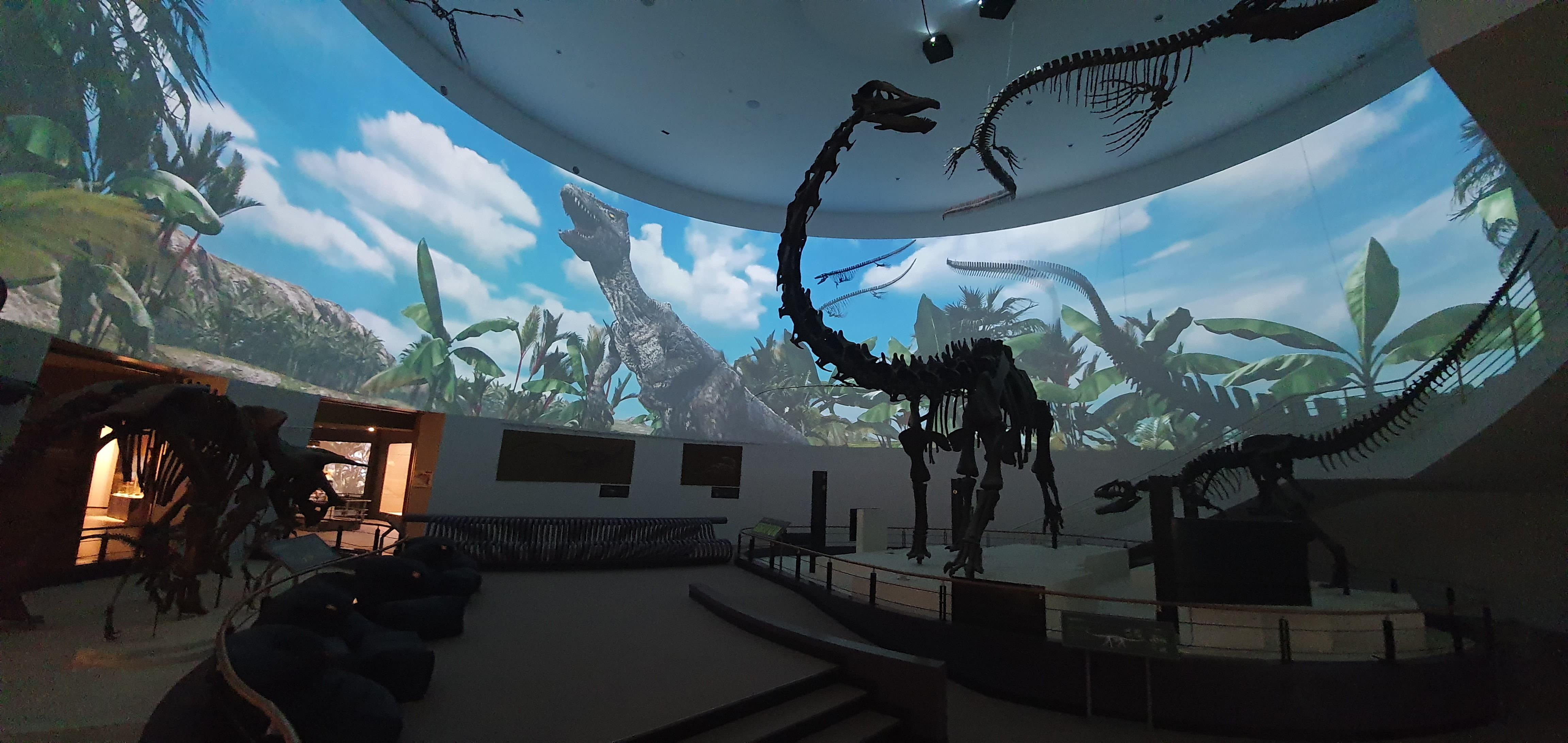
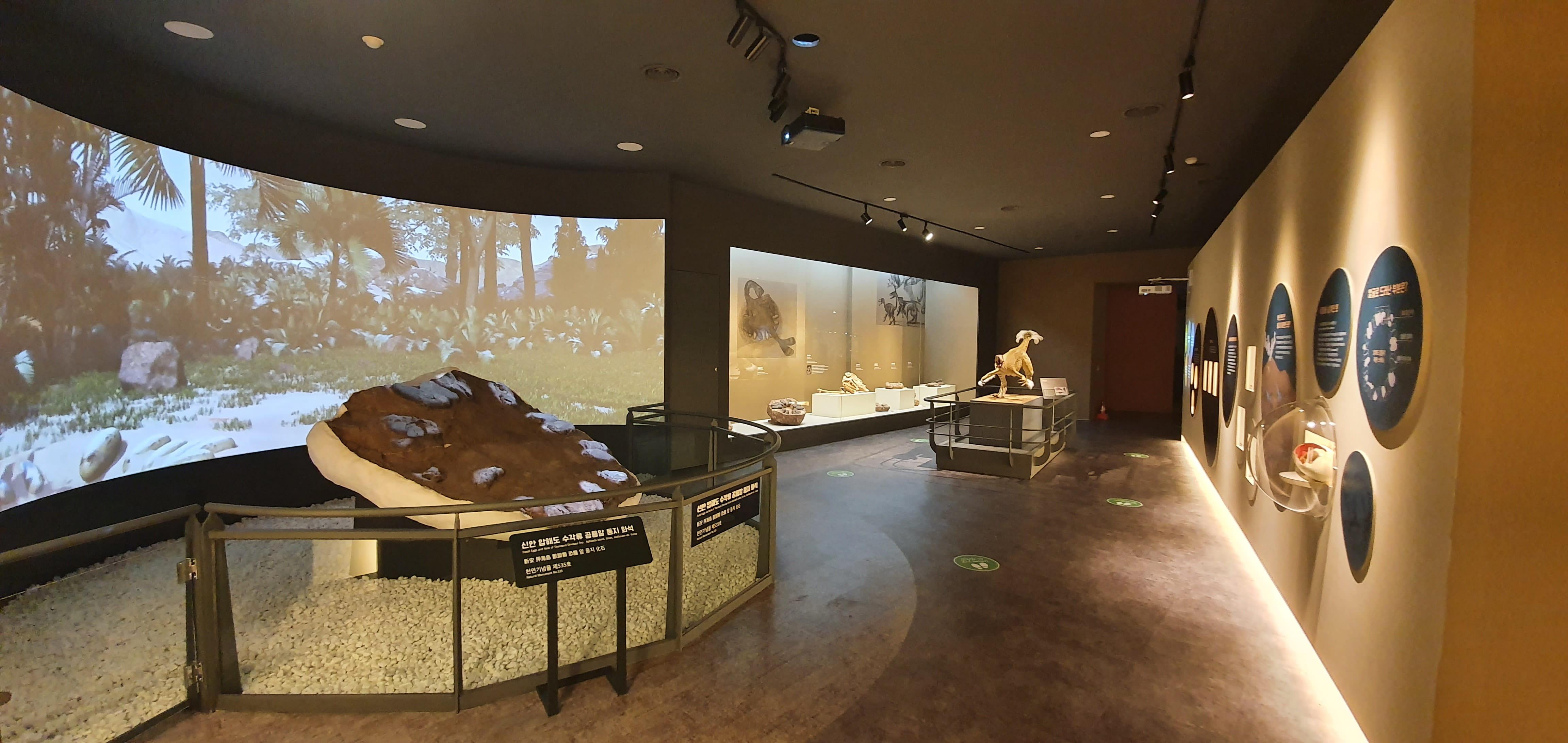
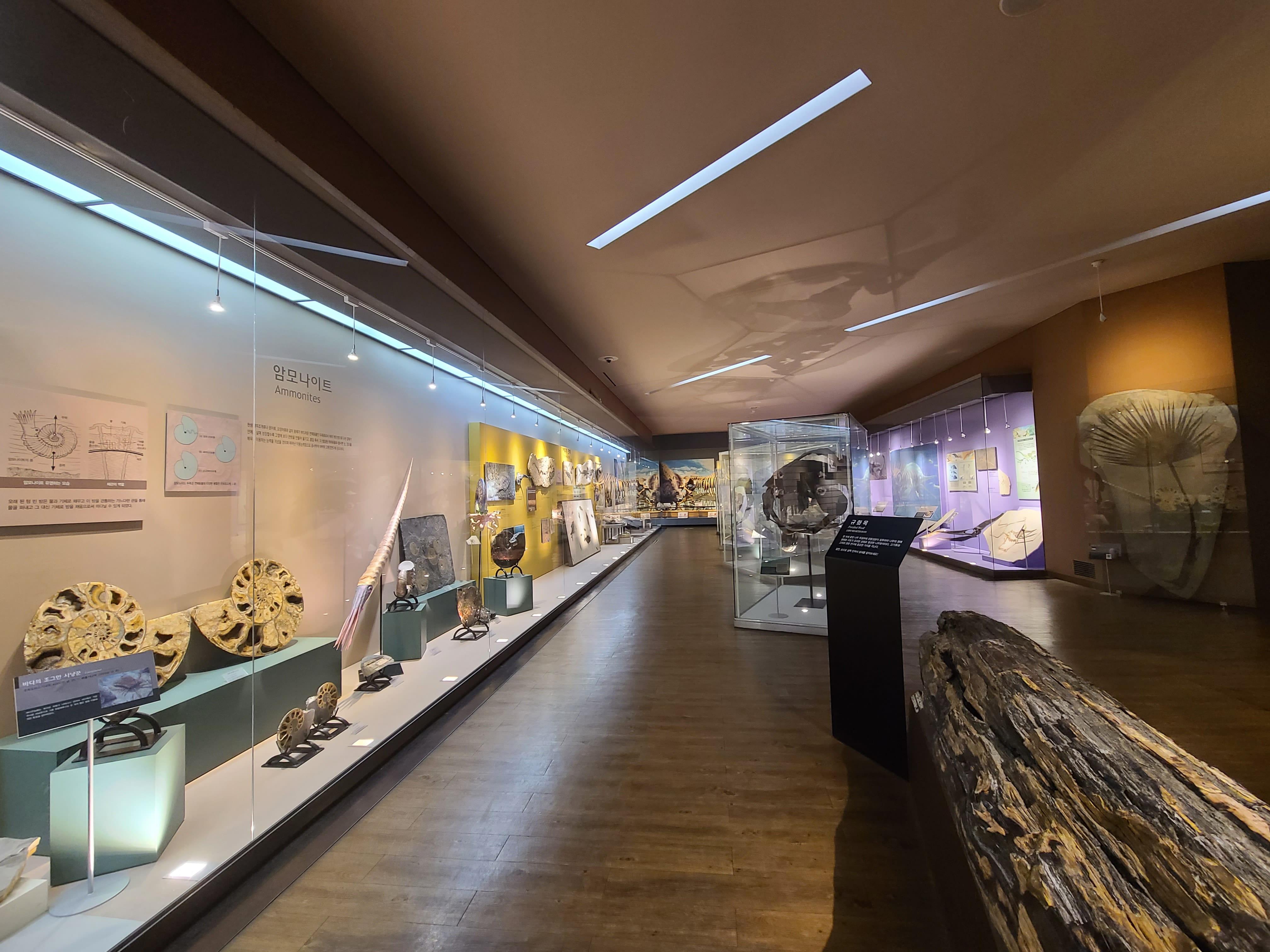
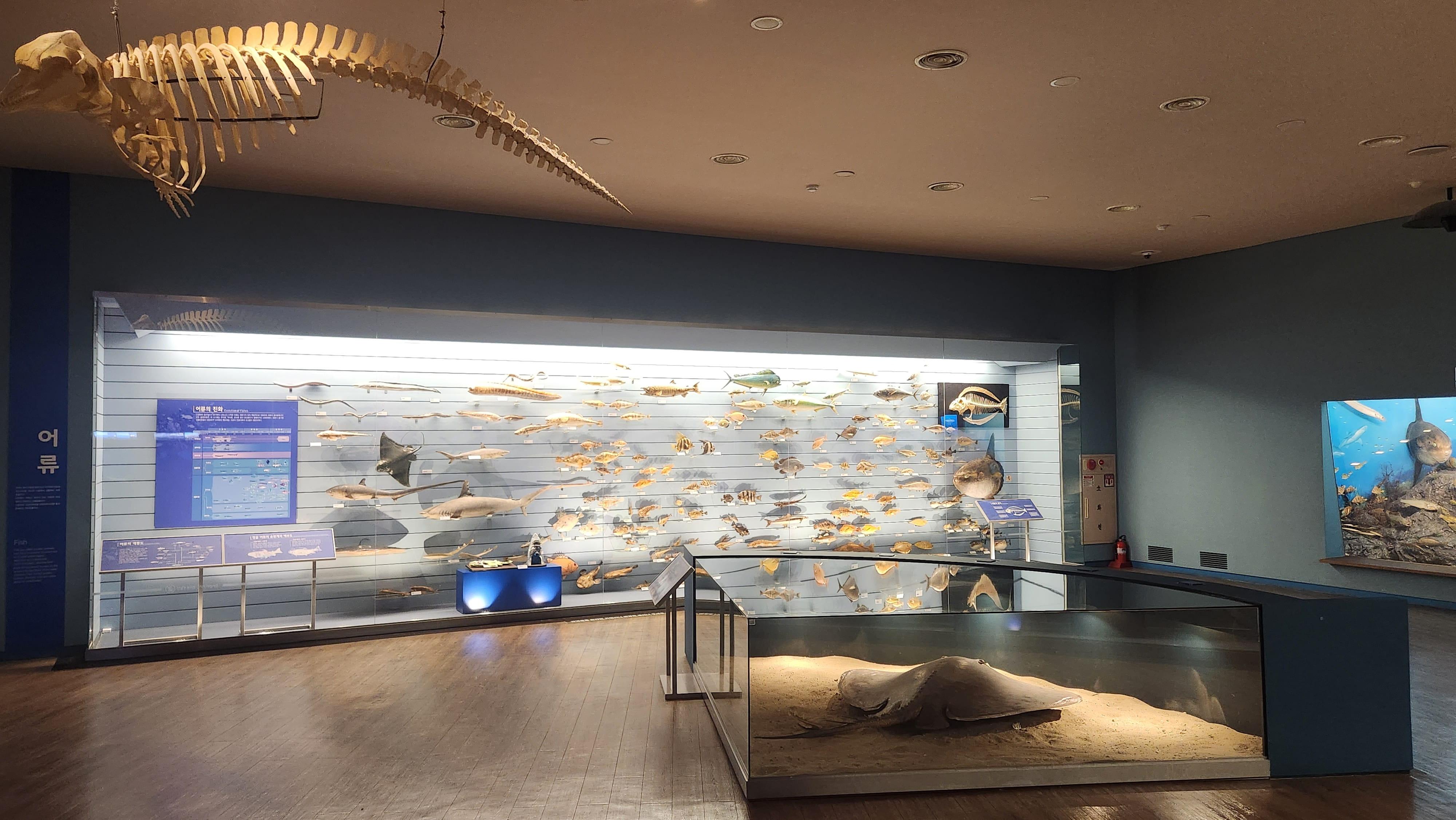
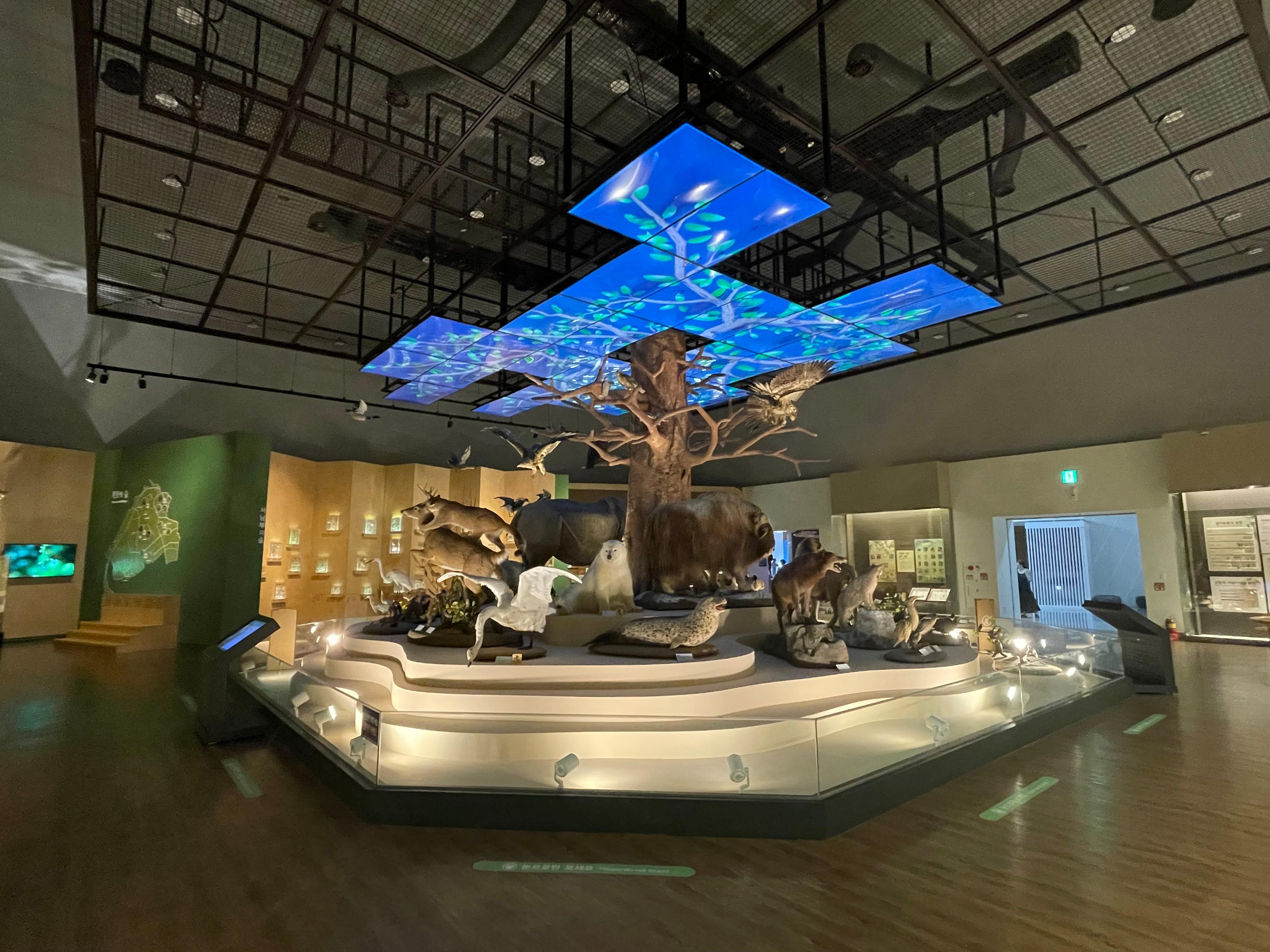
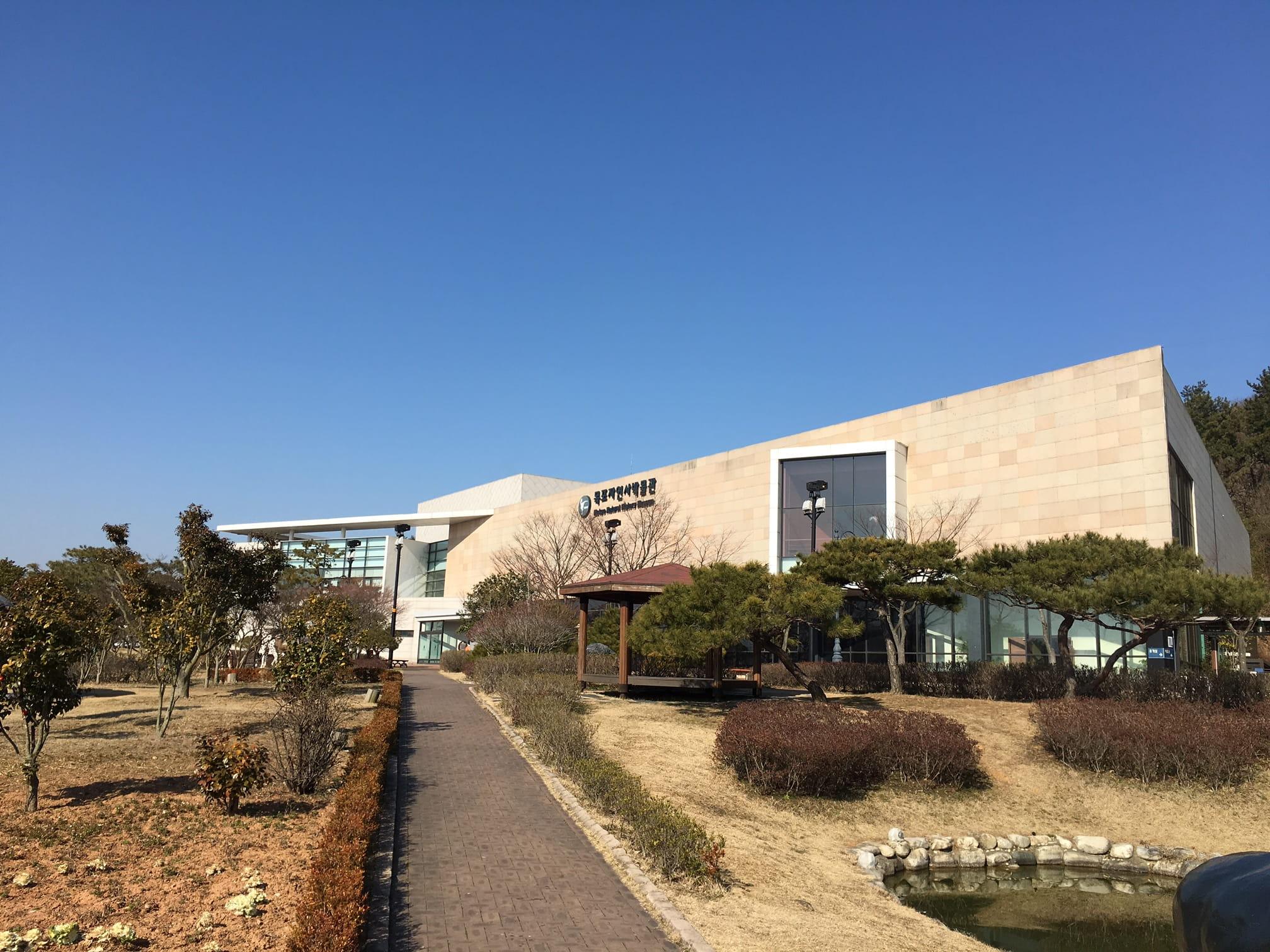
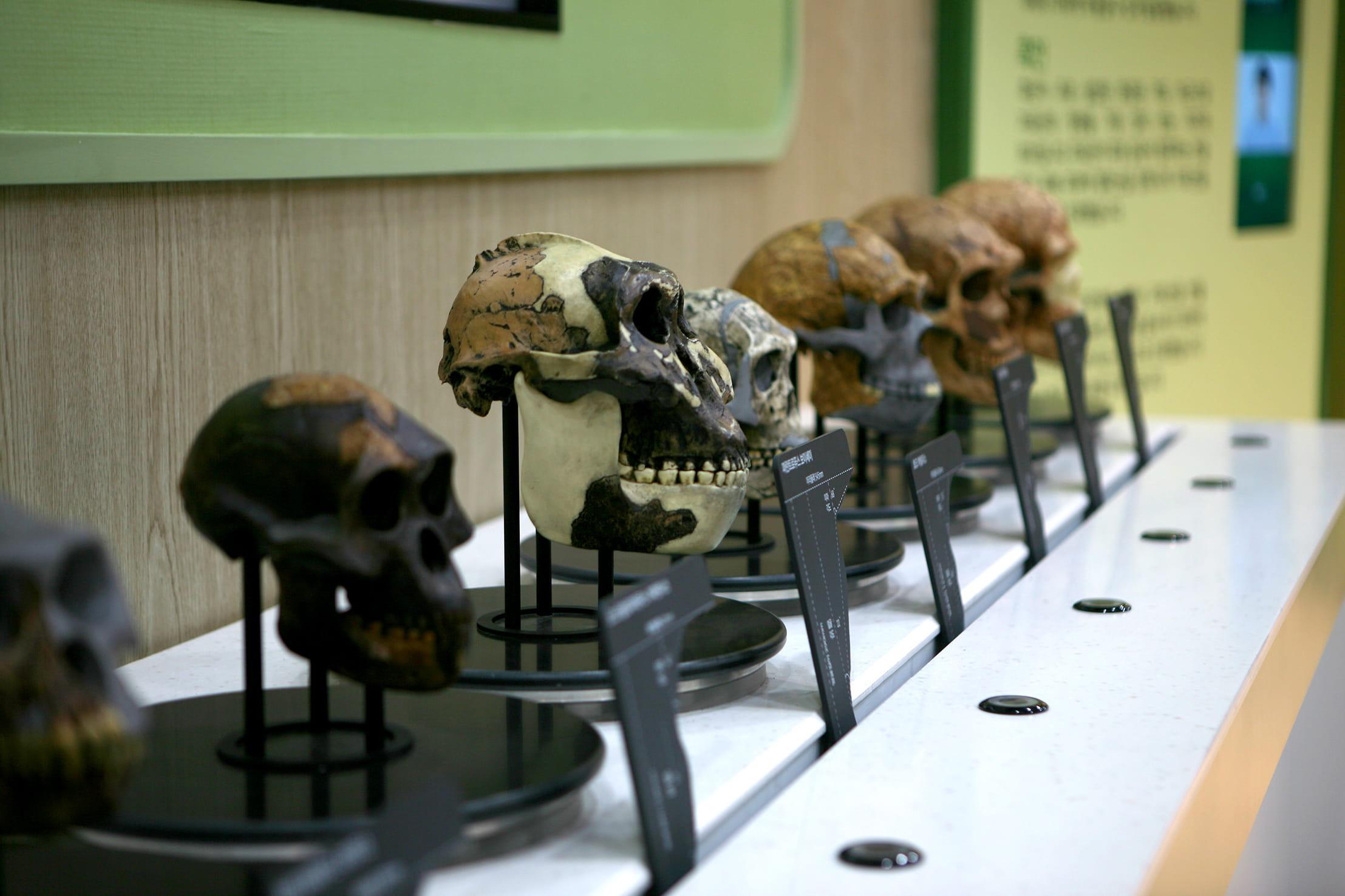
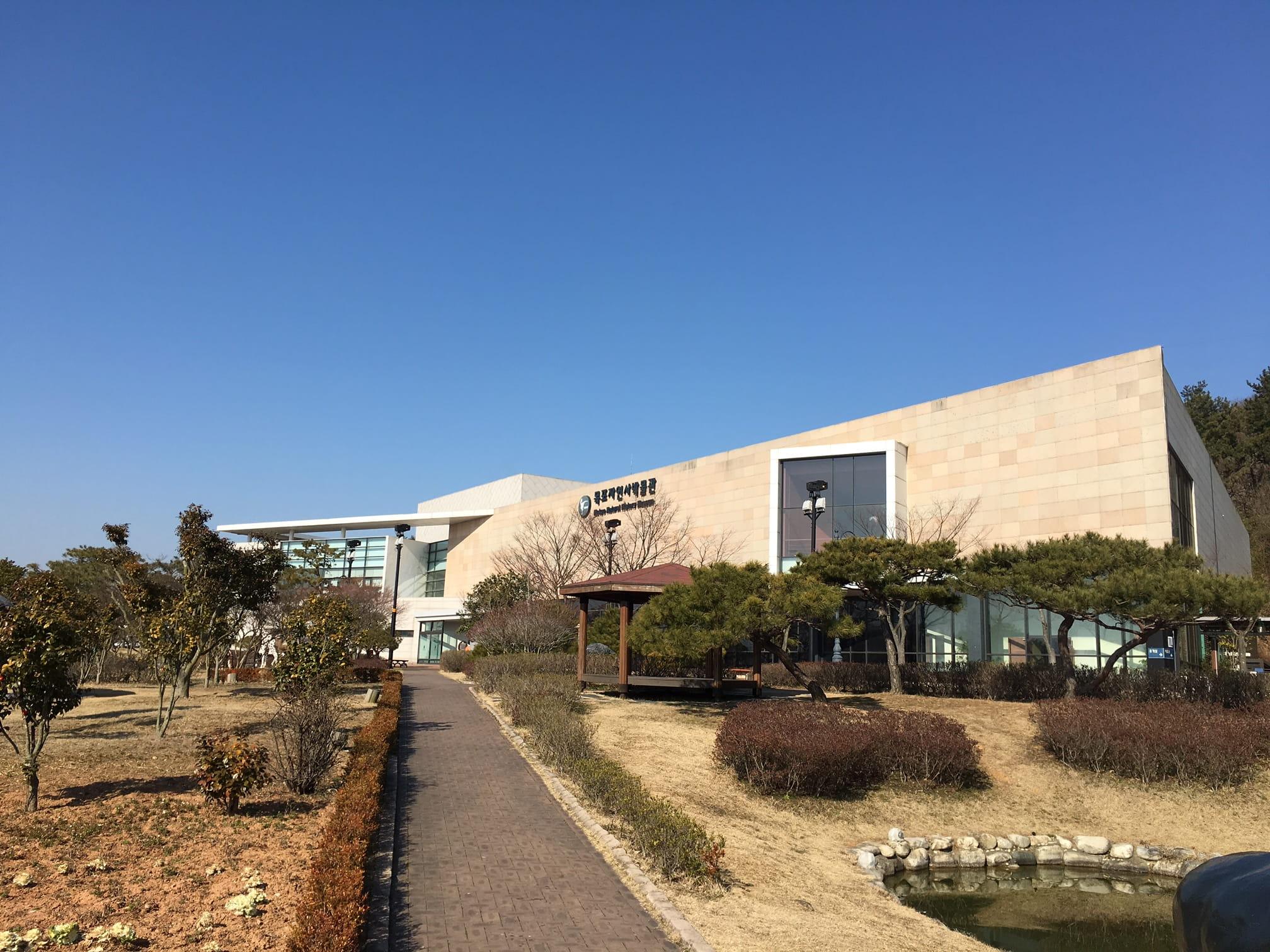 Mokpo Natural History Museum
-
 Dinosaur Tracksite in Seoyu-ri, Hwasun
-
 Tracksite of Dinosaurs, Pterosaurs, and Birds in Uhang-ri, Haenam
-
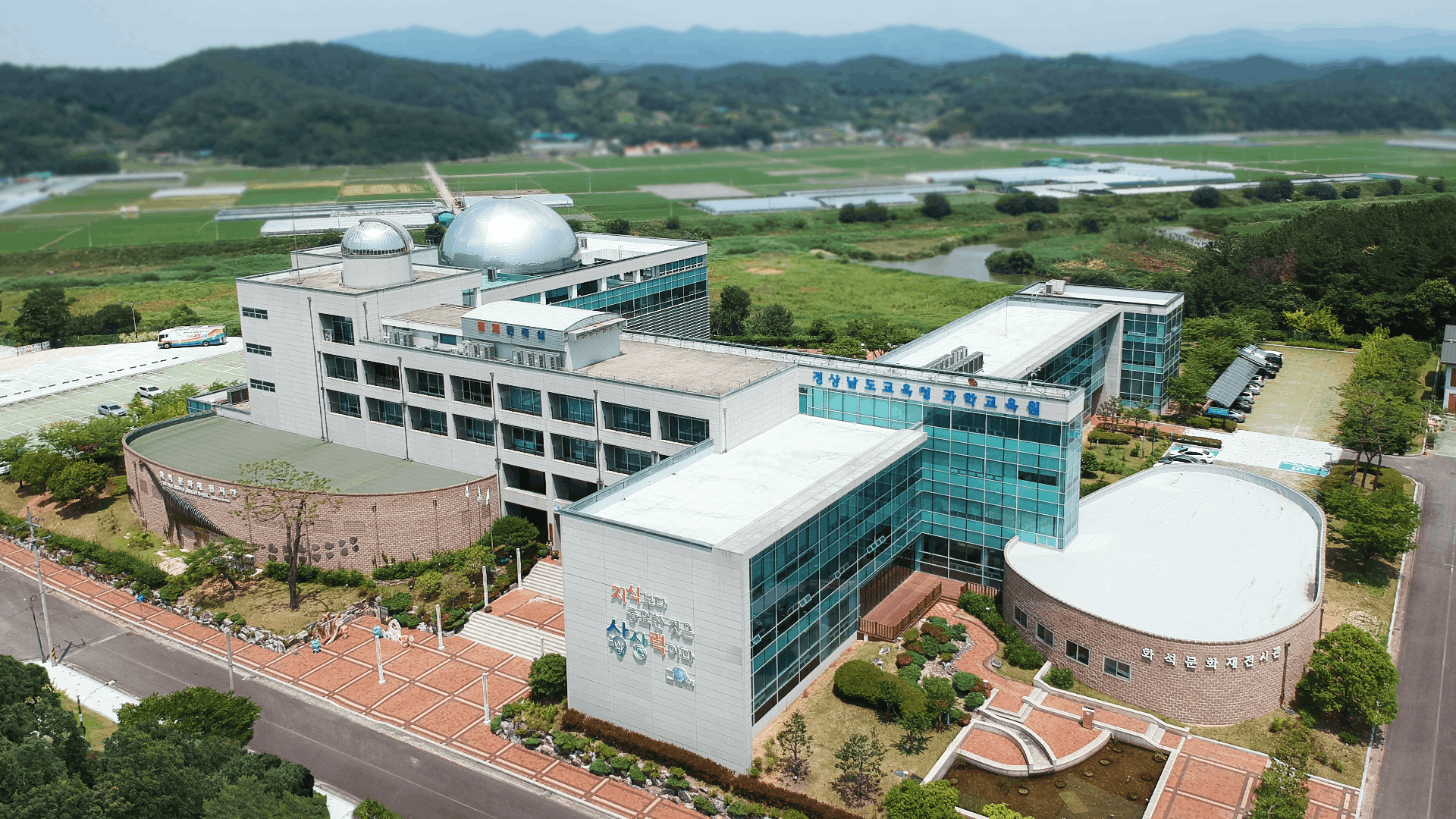 Tracksite of Birds and Dinosaurs in Gajin-ri, Jinju
-
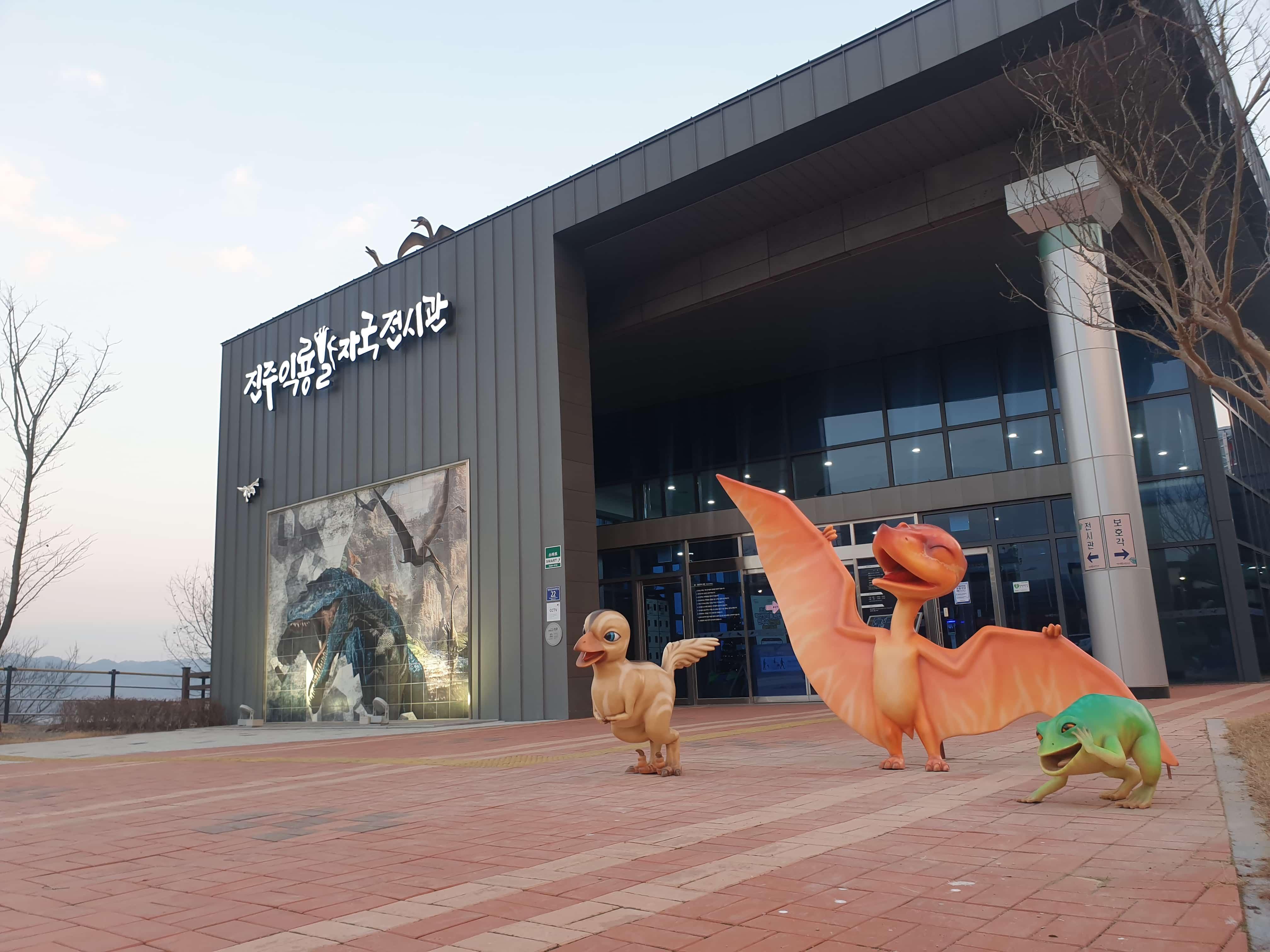
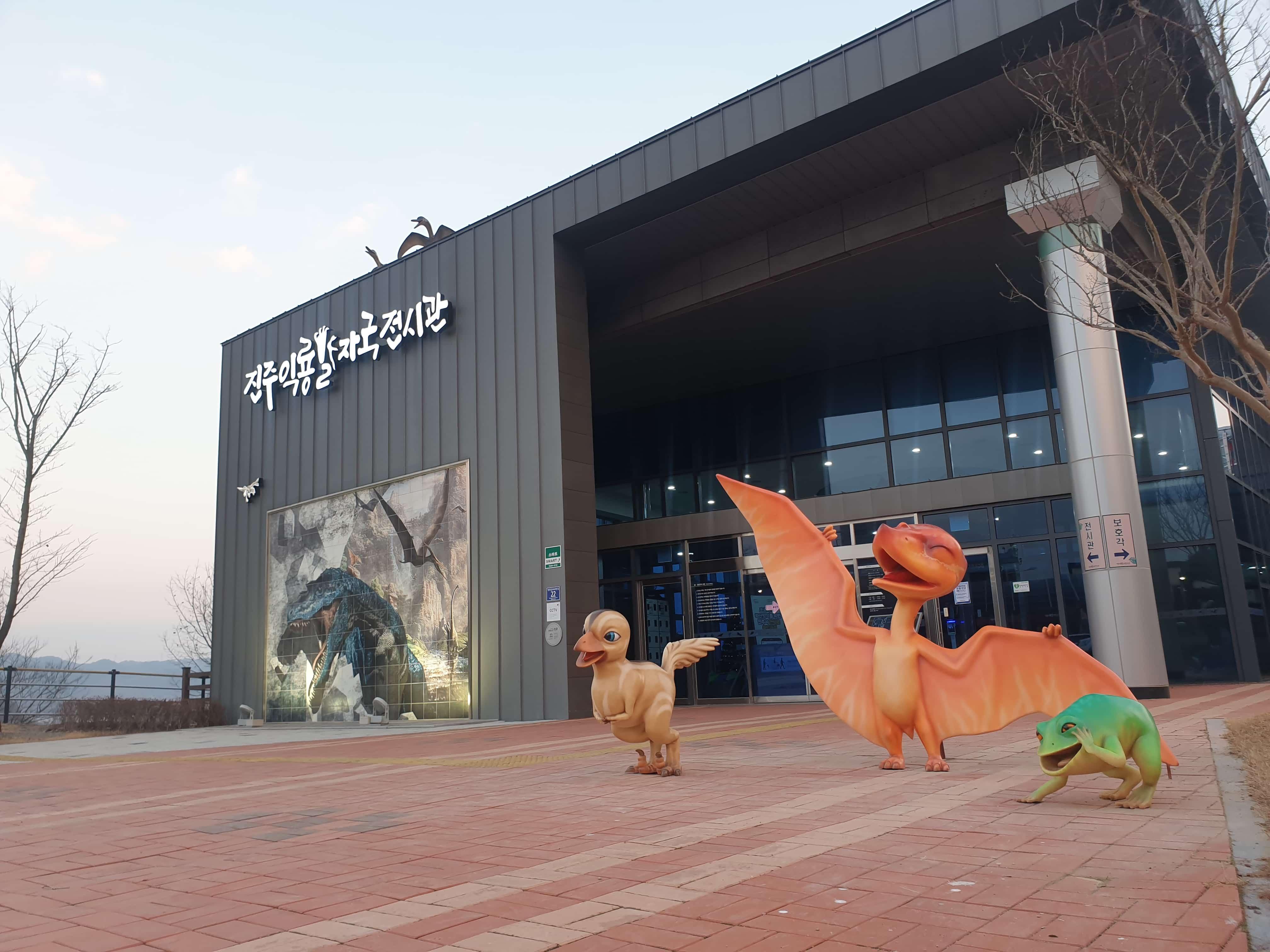 Tracksite of Pterosaurs, Birds, and Dinosaurs in Chungmugong-dong, Jinju
-
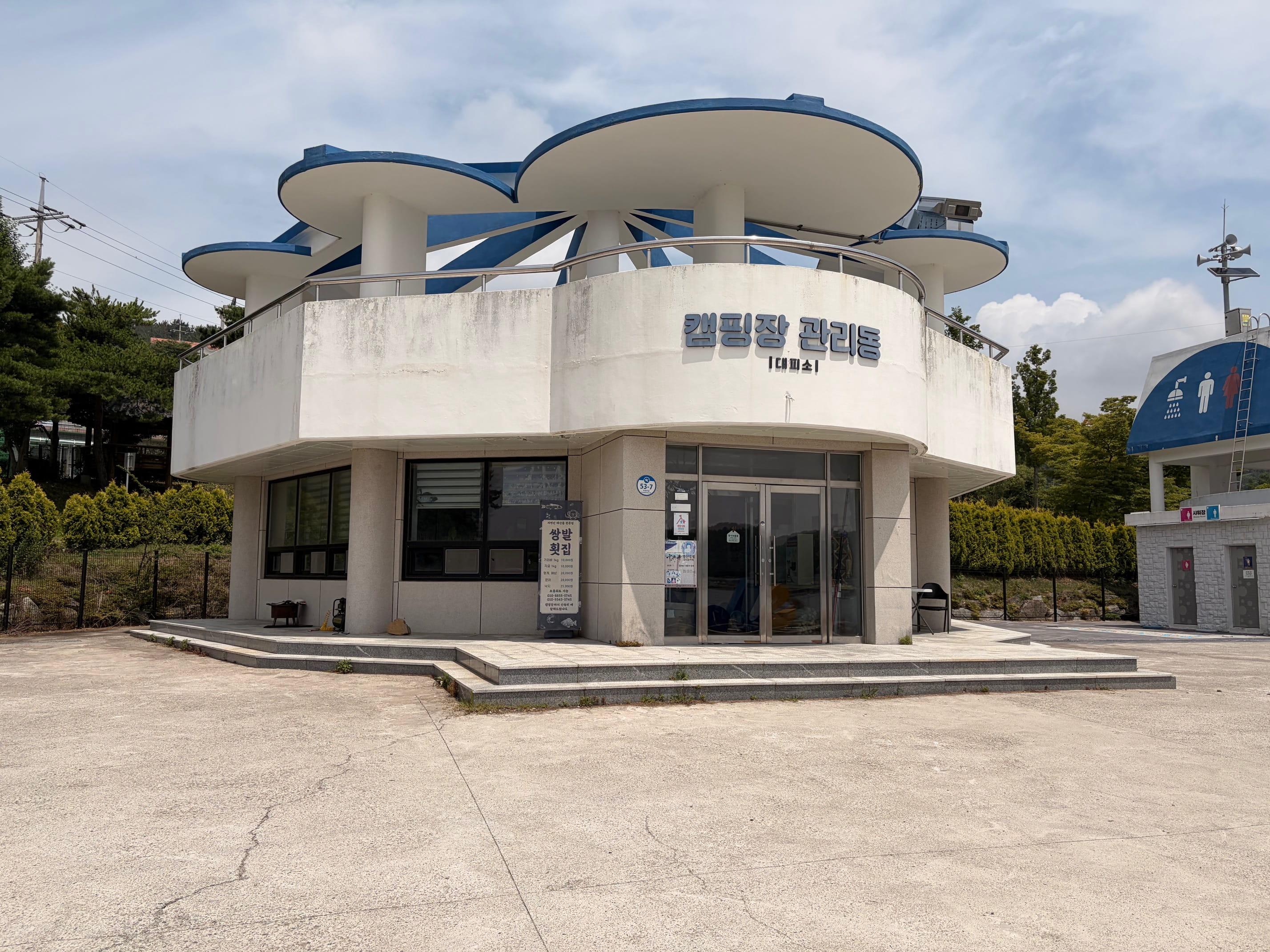 Tracksite of Dinosaurs and Birds in Deongmyeong-ri, Goseong